Watching It All Come Together
Olayami Dabls at MOCAD
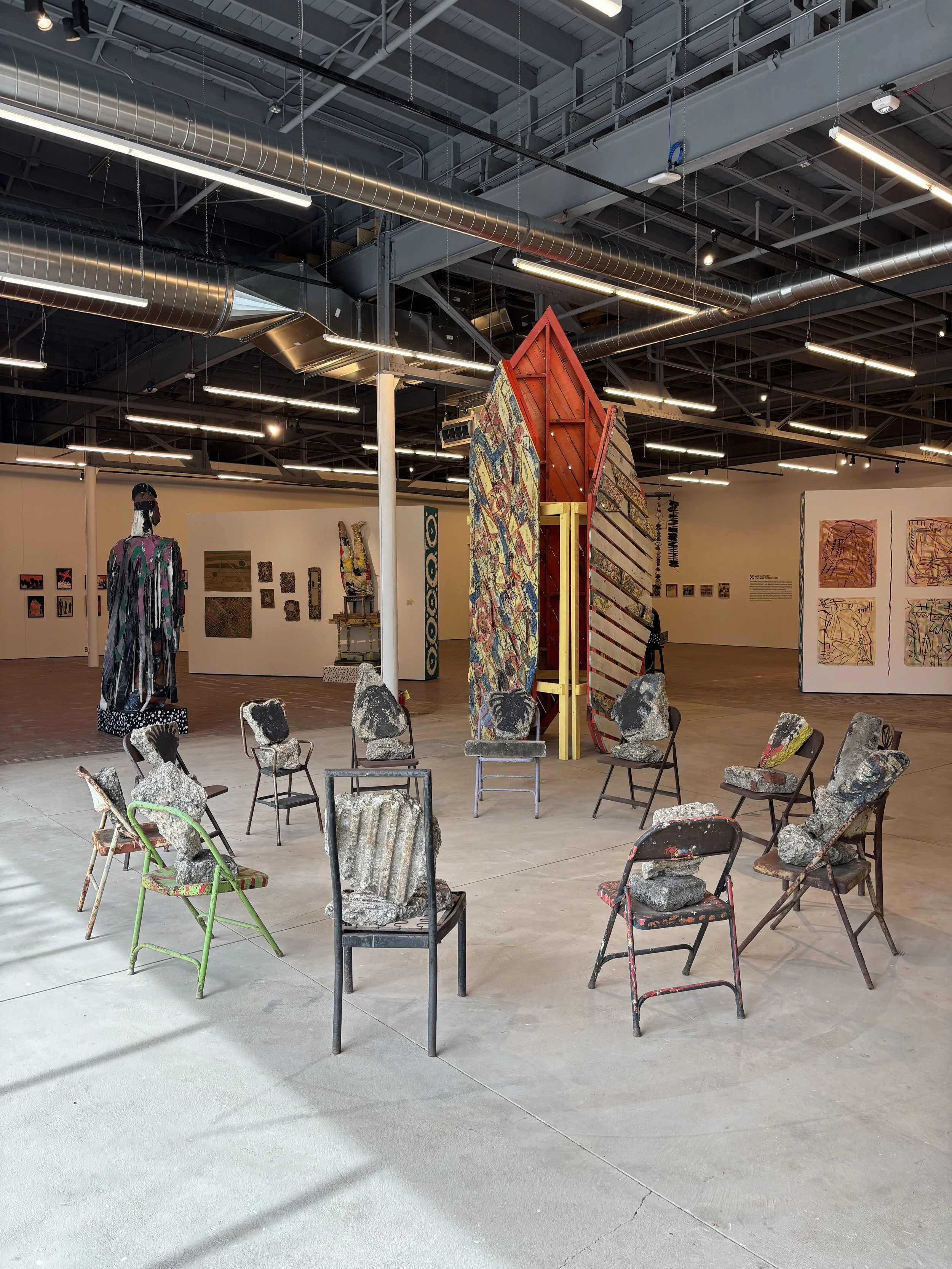
There are moments when you realize that something you have been standing beside for years is being seen differently.
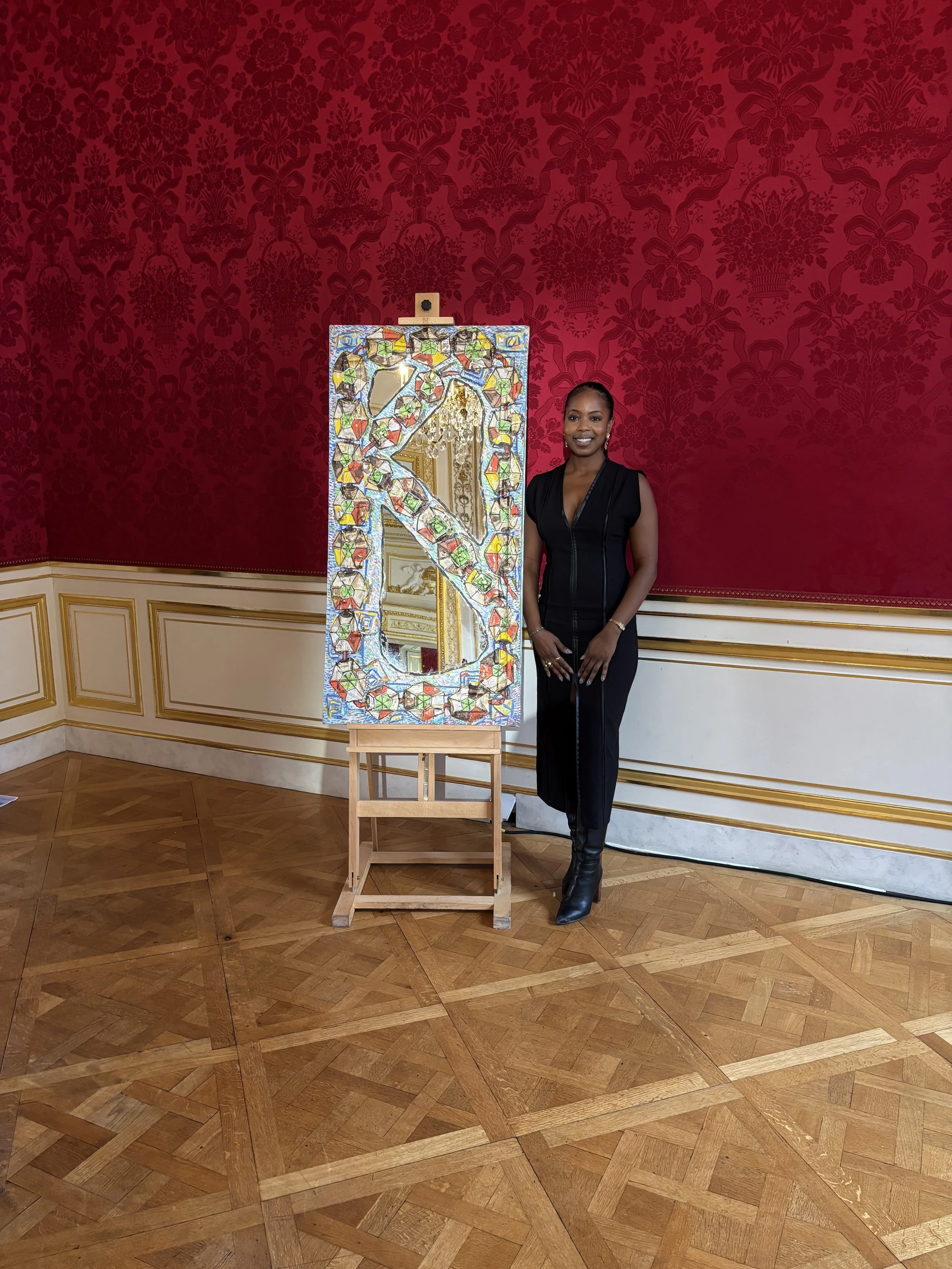
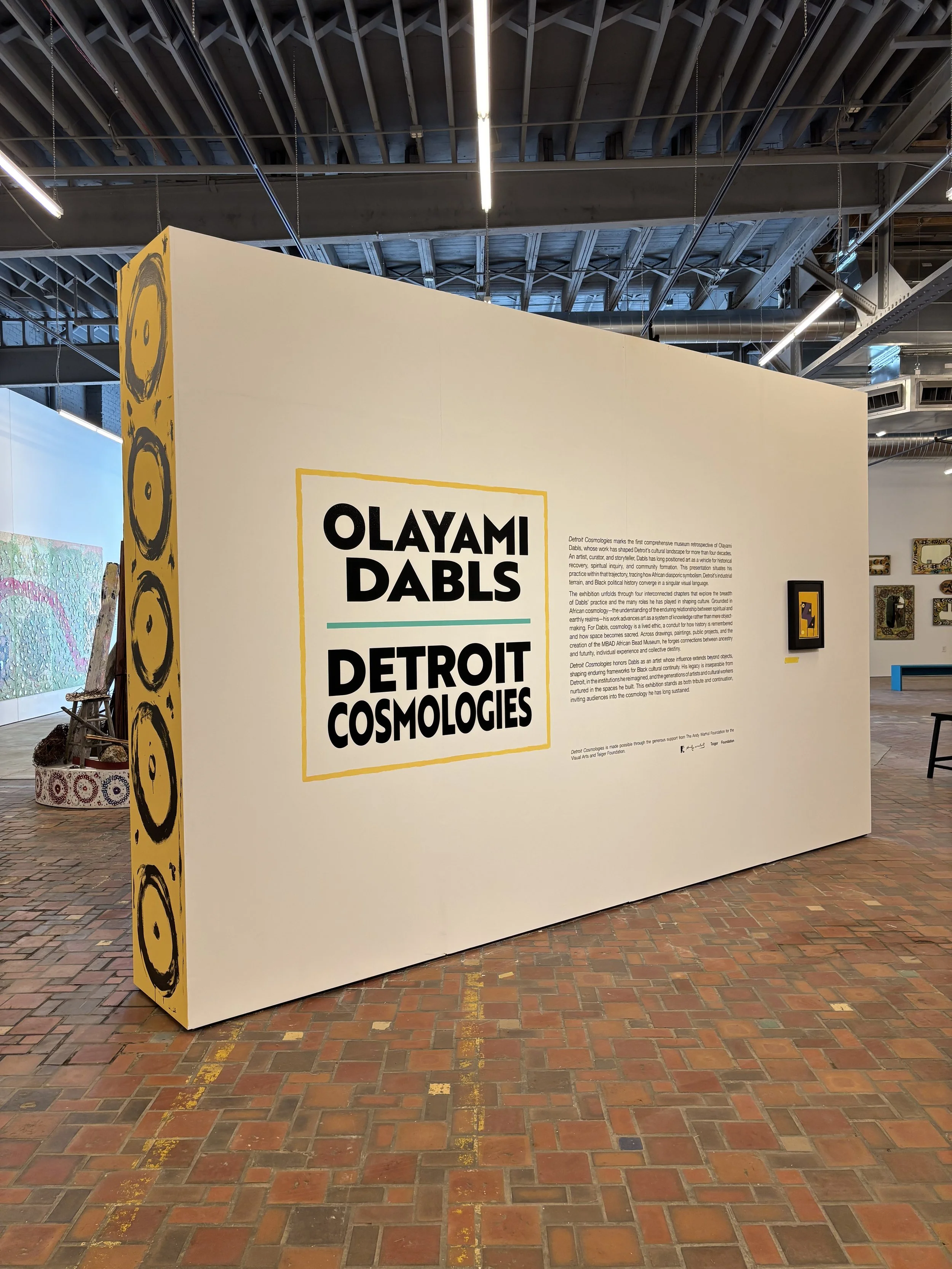
Watching my dad, Olayami Dabls, open his retrospective at the Museum of Contemporary Art Detroit was one of those moments for me.
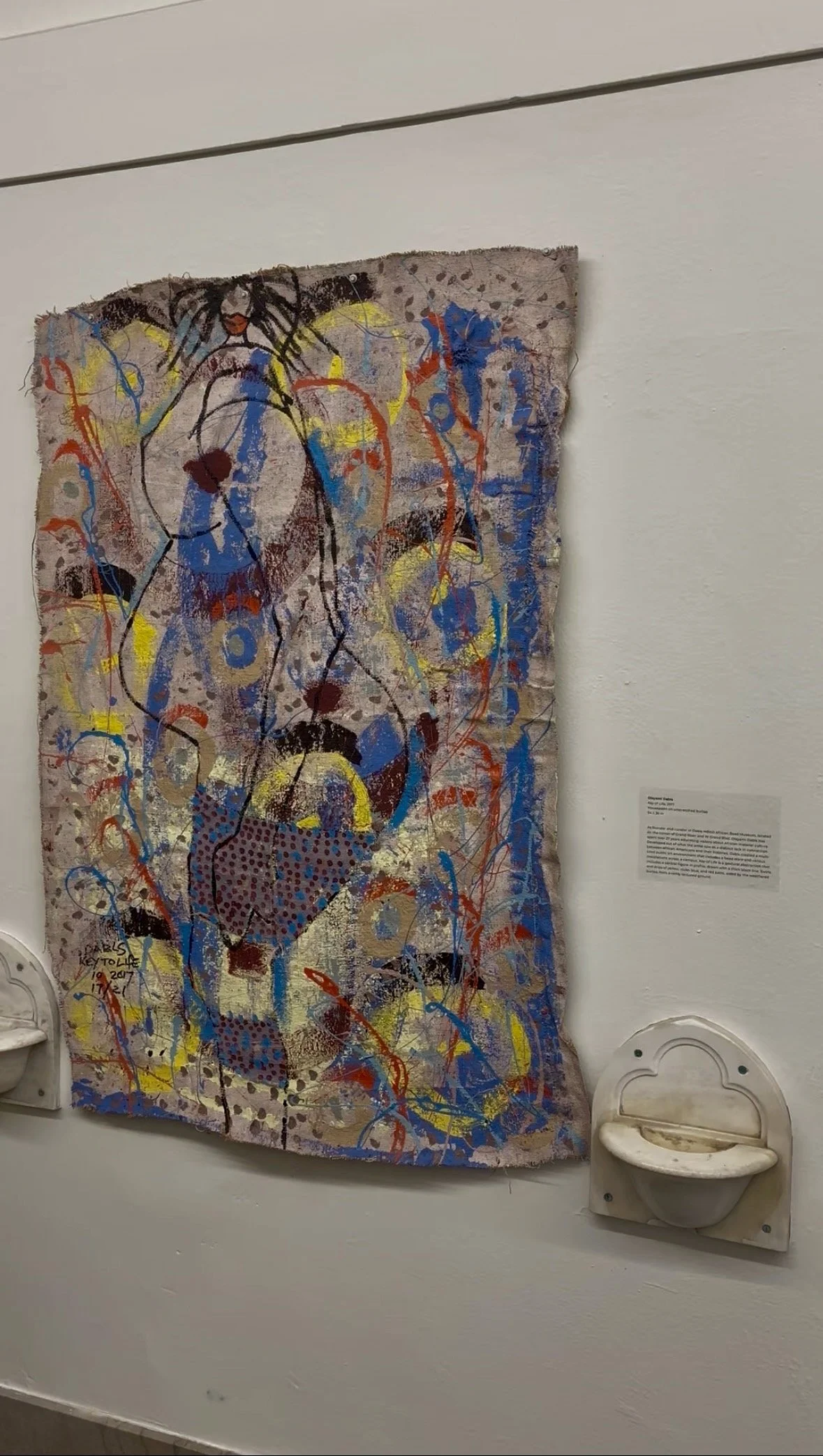
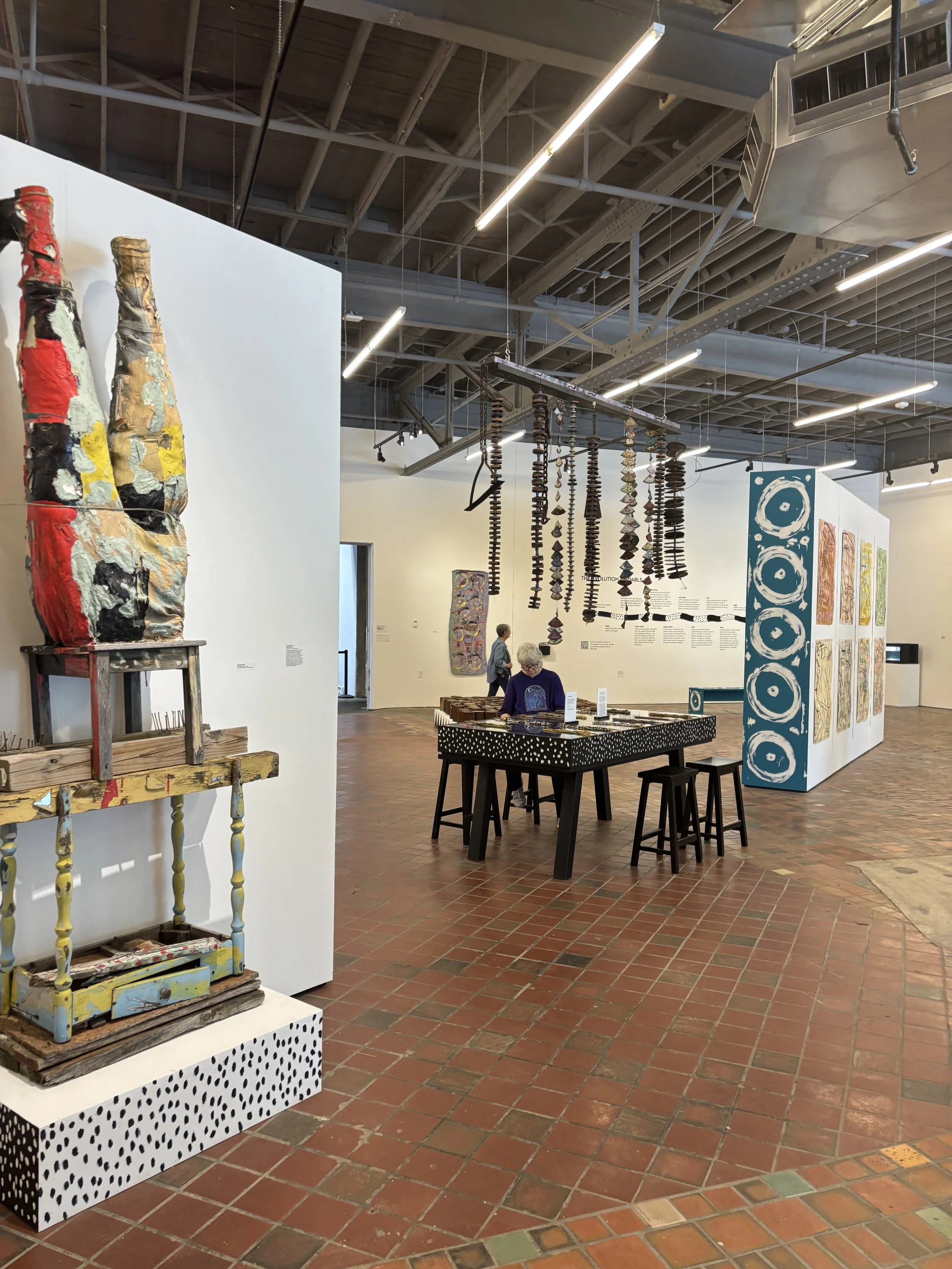
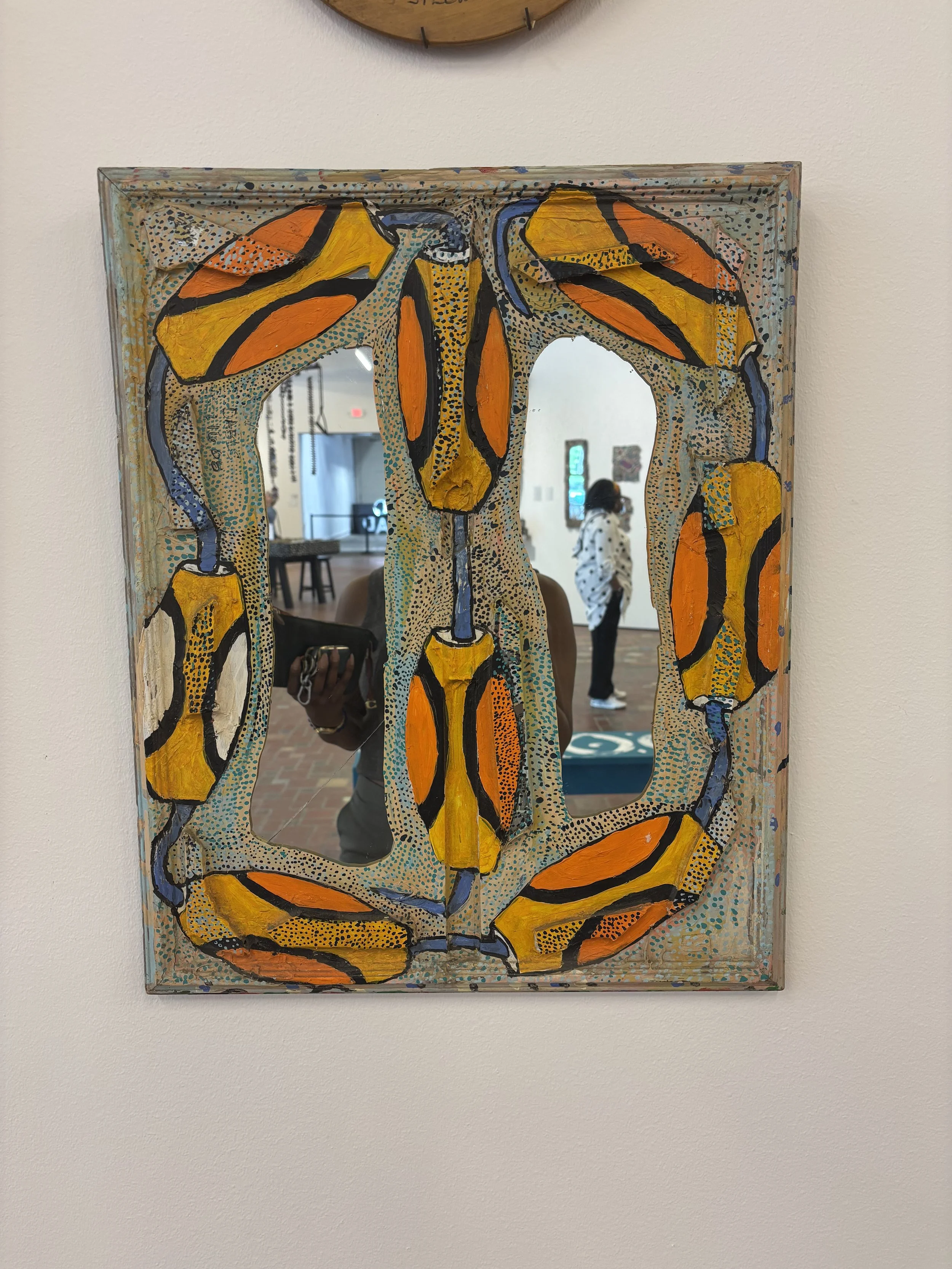
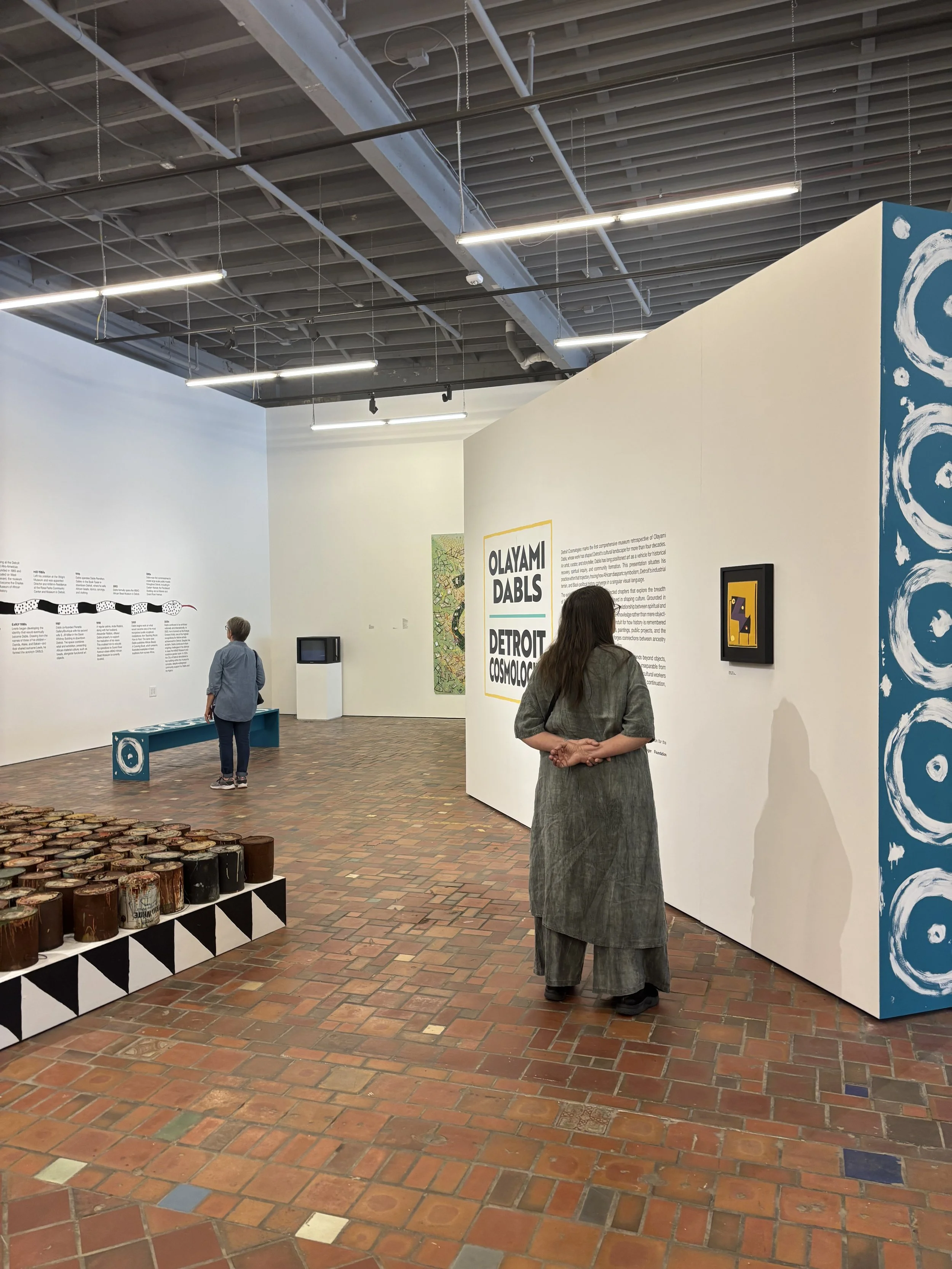
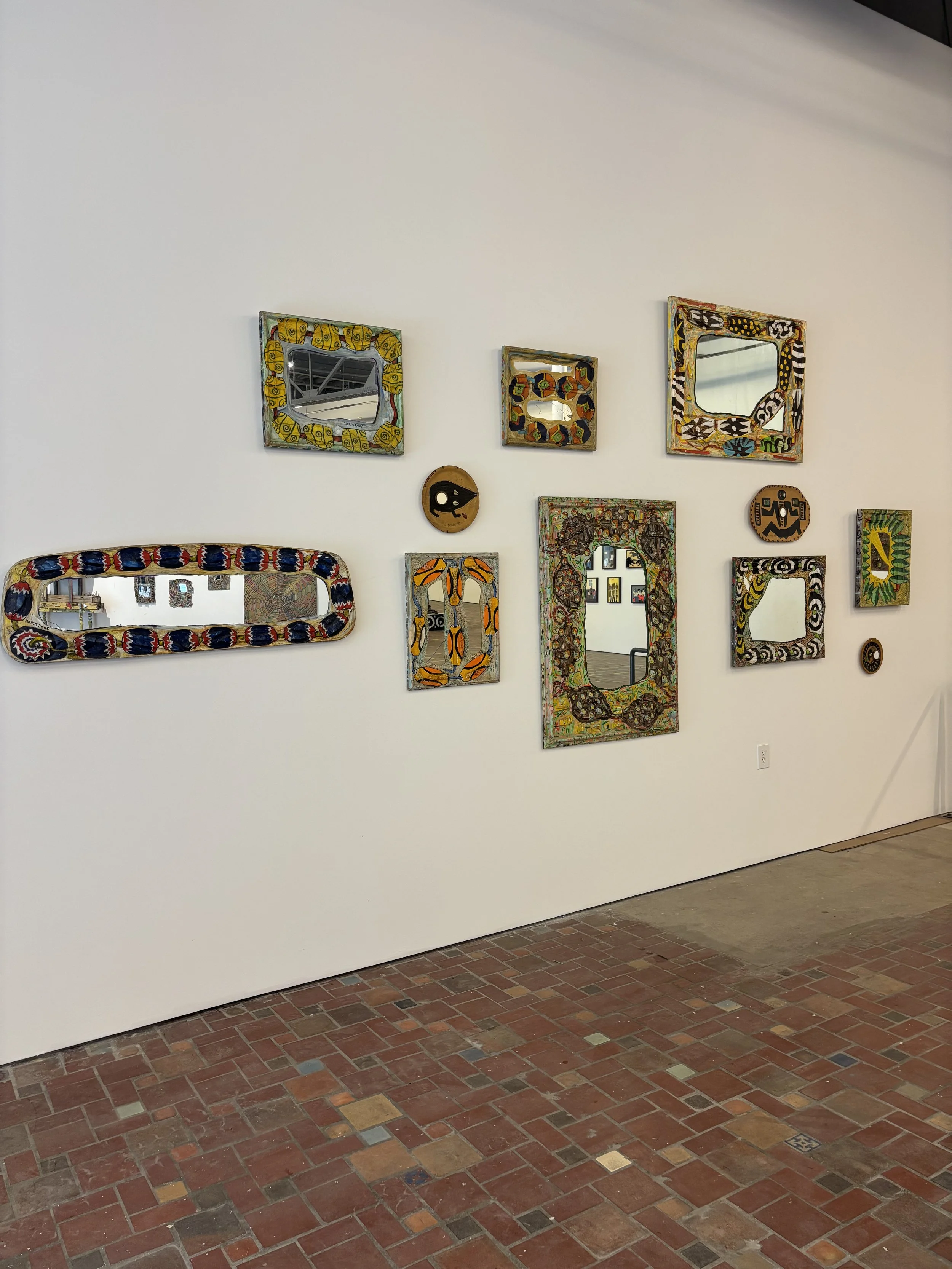
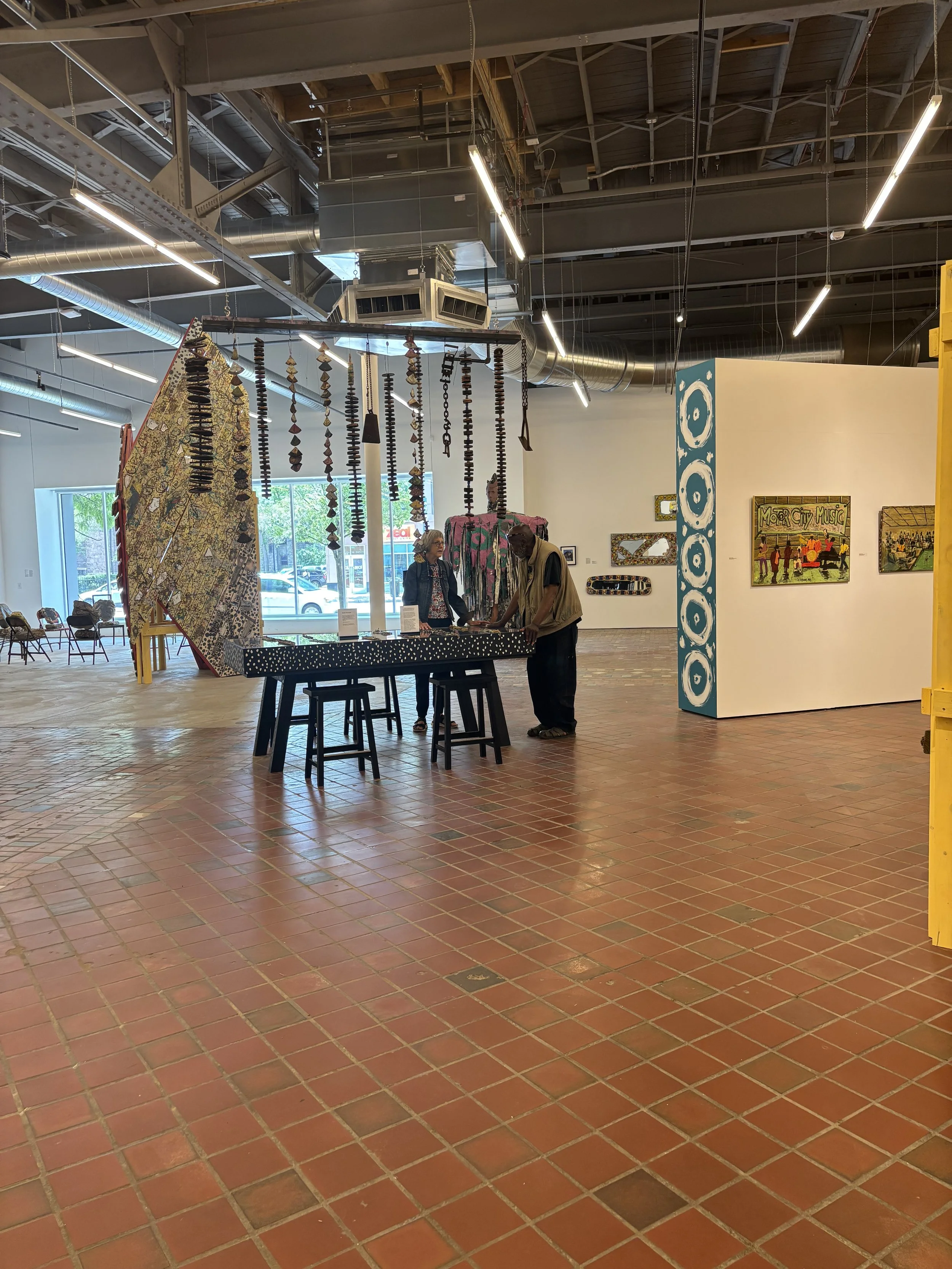
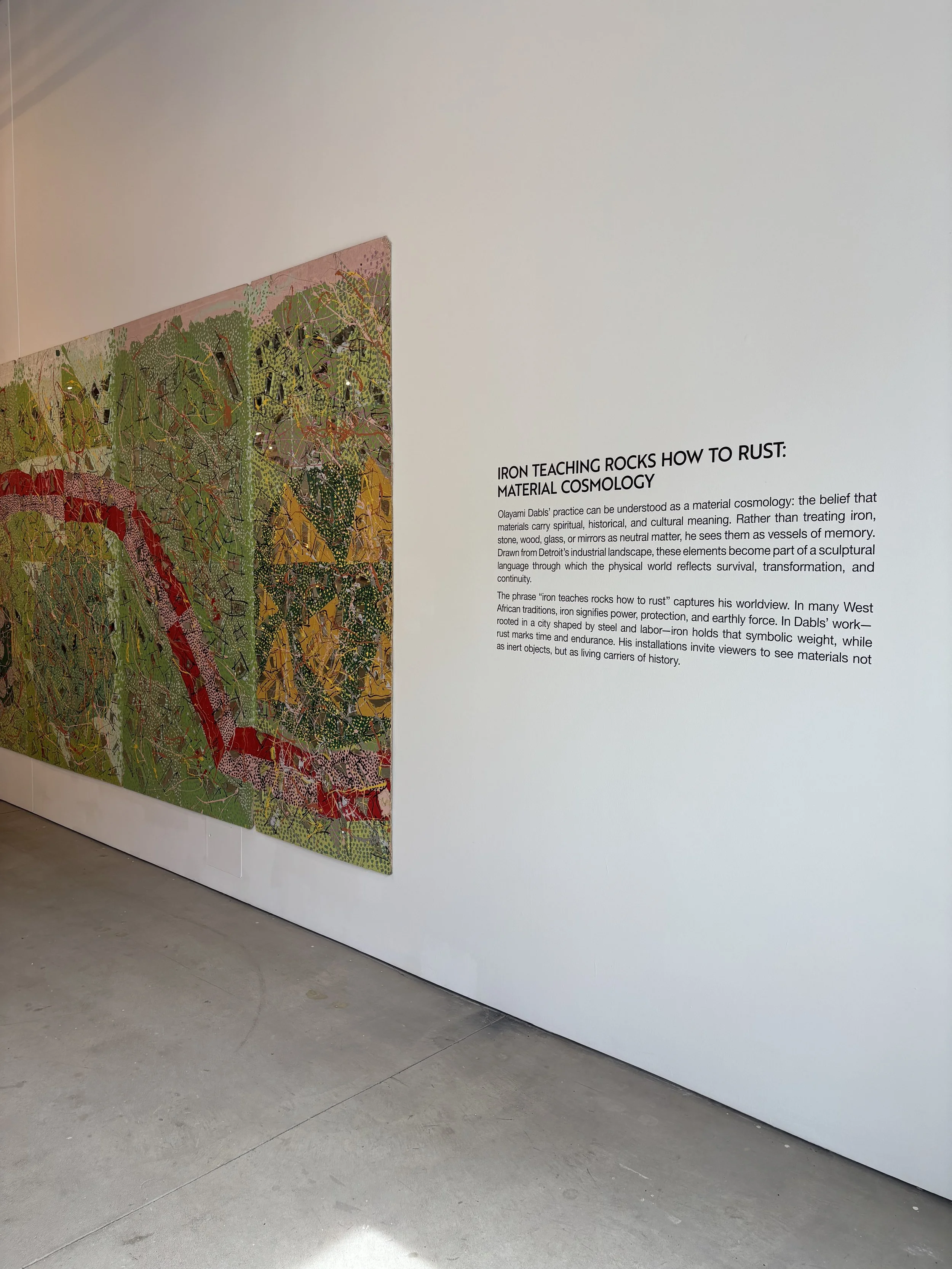
From April 25 through July 12, 2026, MOCAD presented an exhibition bringing together decades of Dabls’ work—work rooted in African material culture, memory, history, spirituality, survival, and the transformation of discarded materials into something that speaks.
For many people, this was an opportunity to encounter Dabls’ work within the walls of a contemporary art museum. For me, it was something more personal.
I have watched much of this work exist in a completely different context.
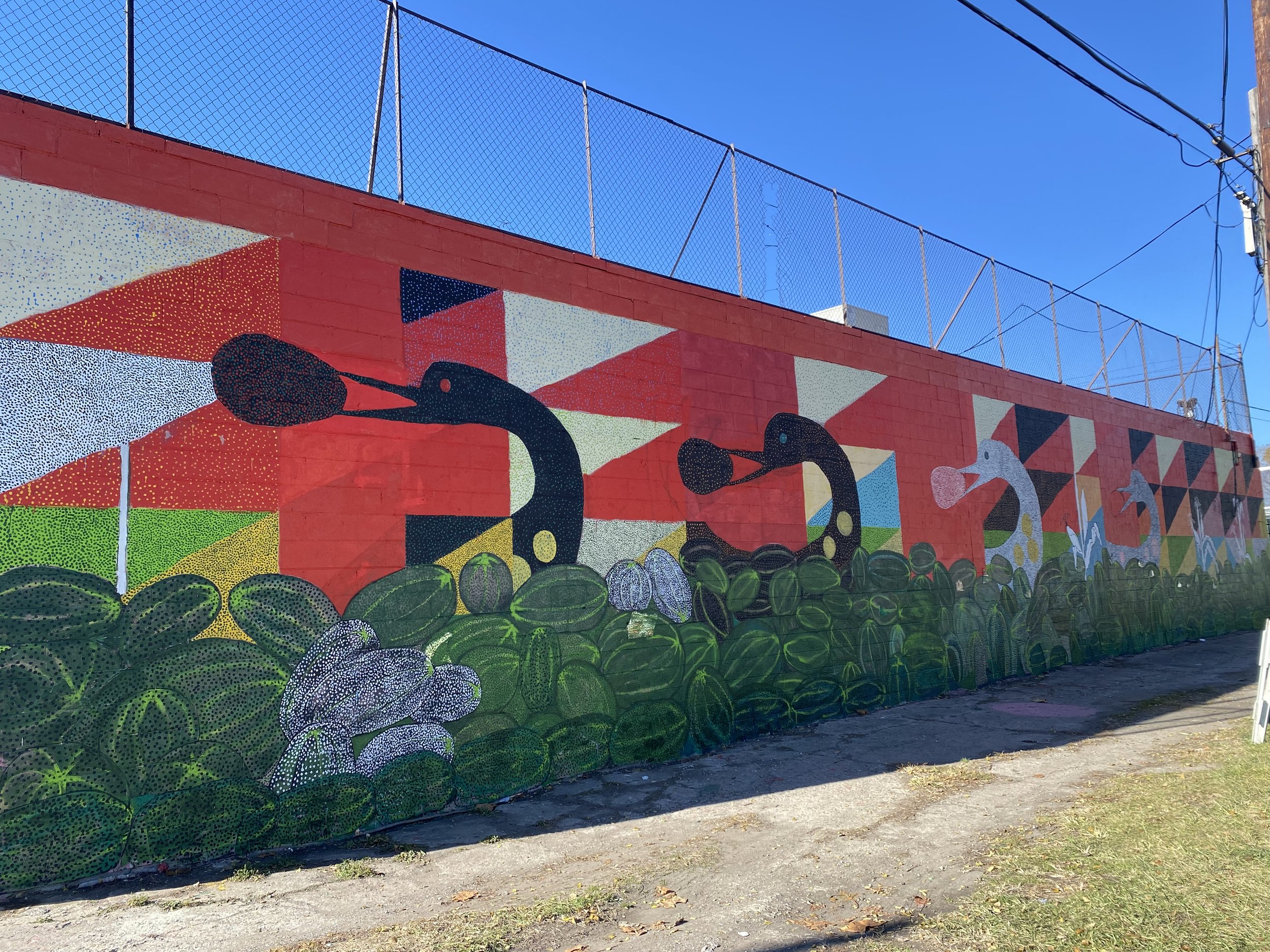
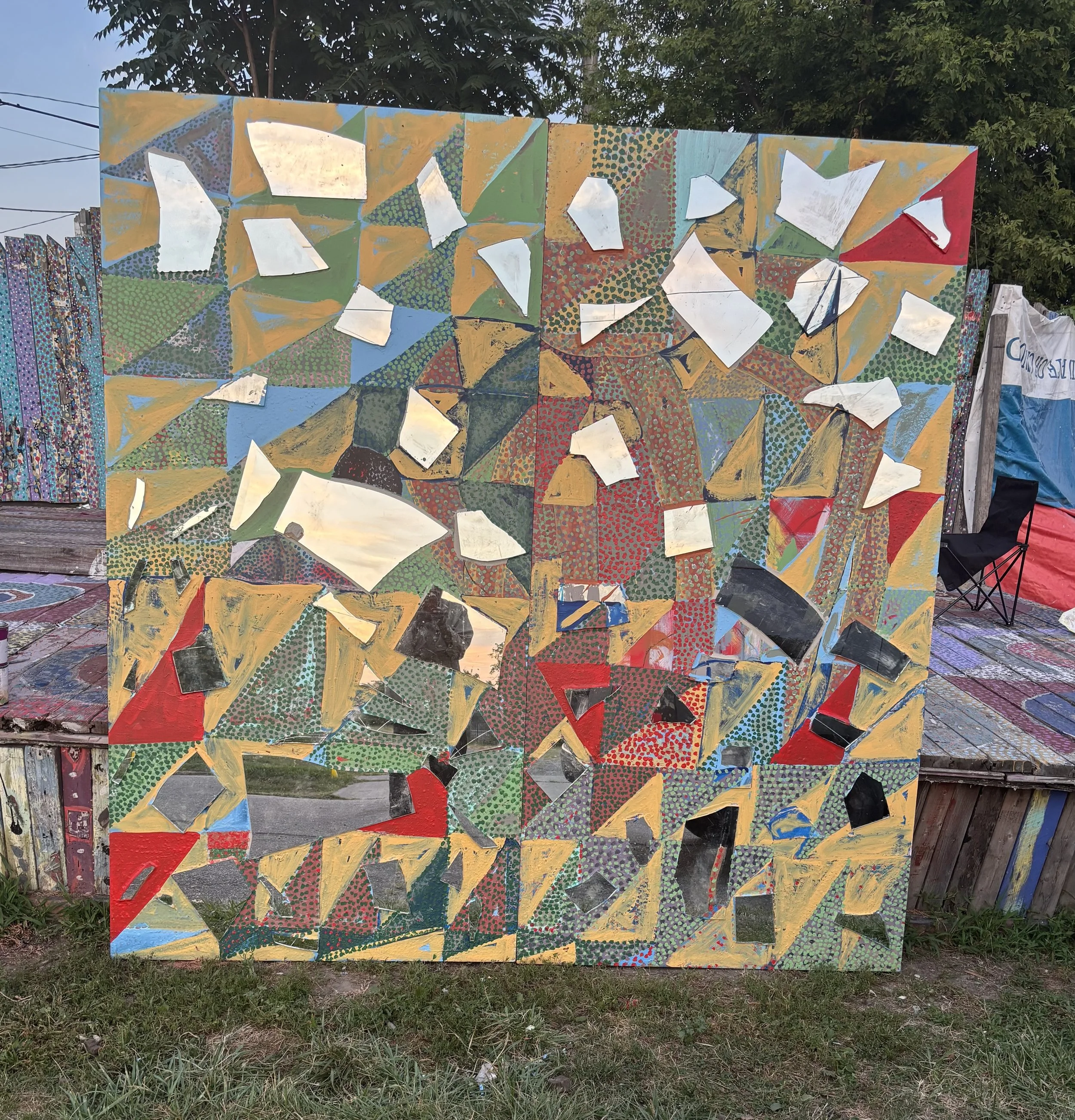
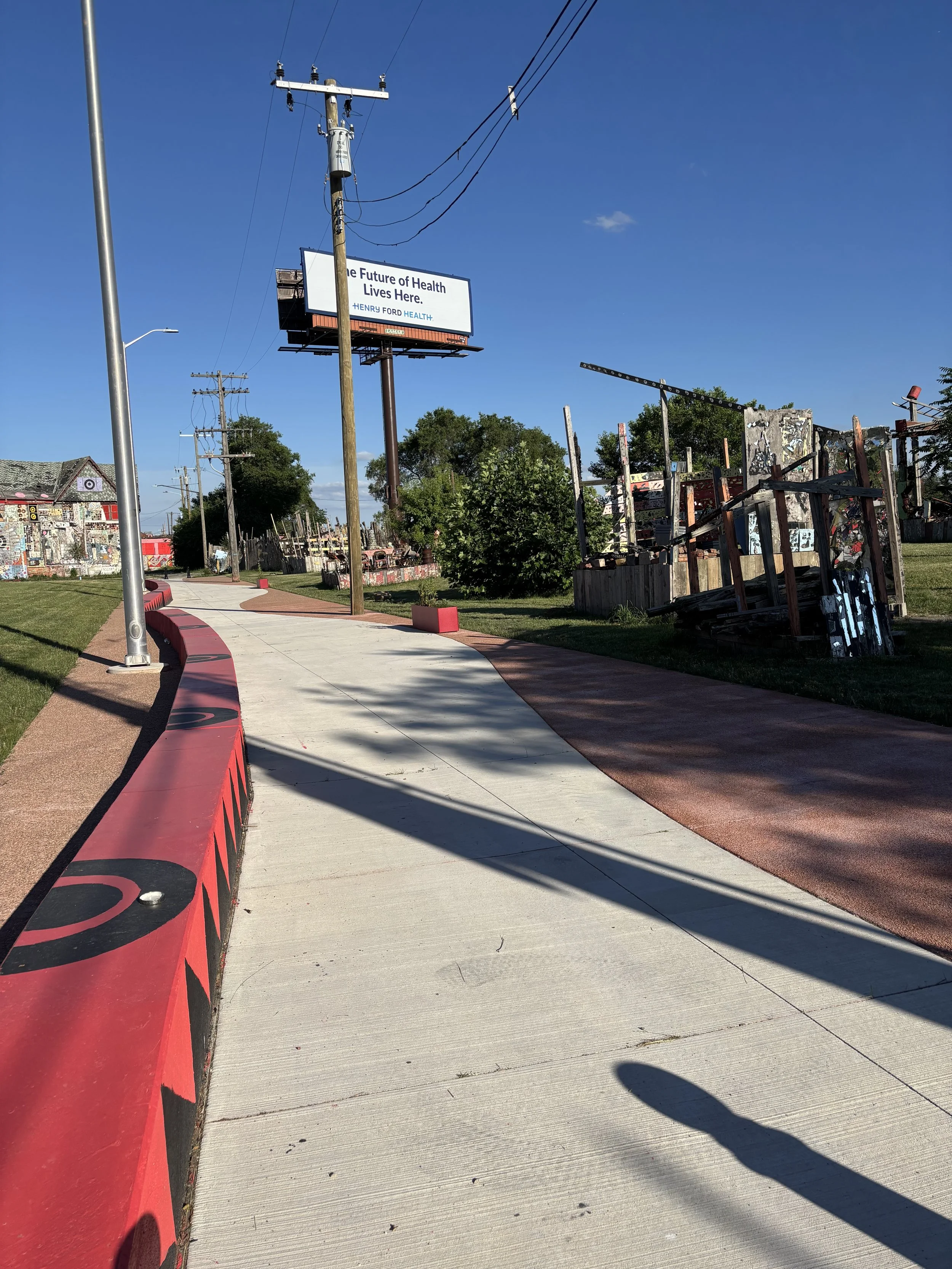
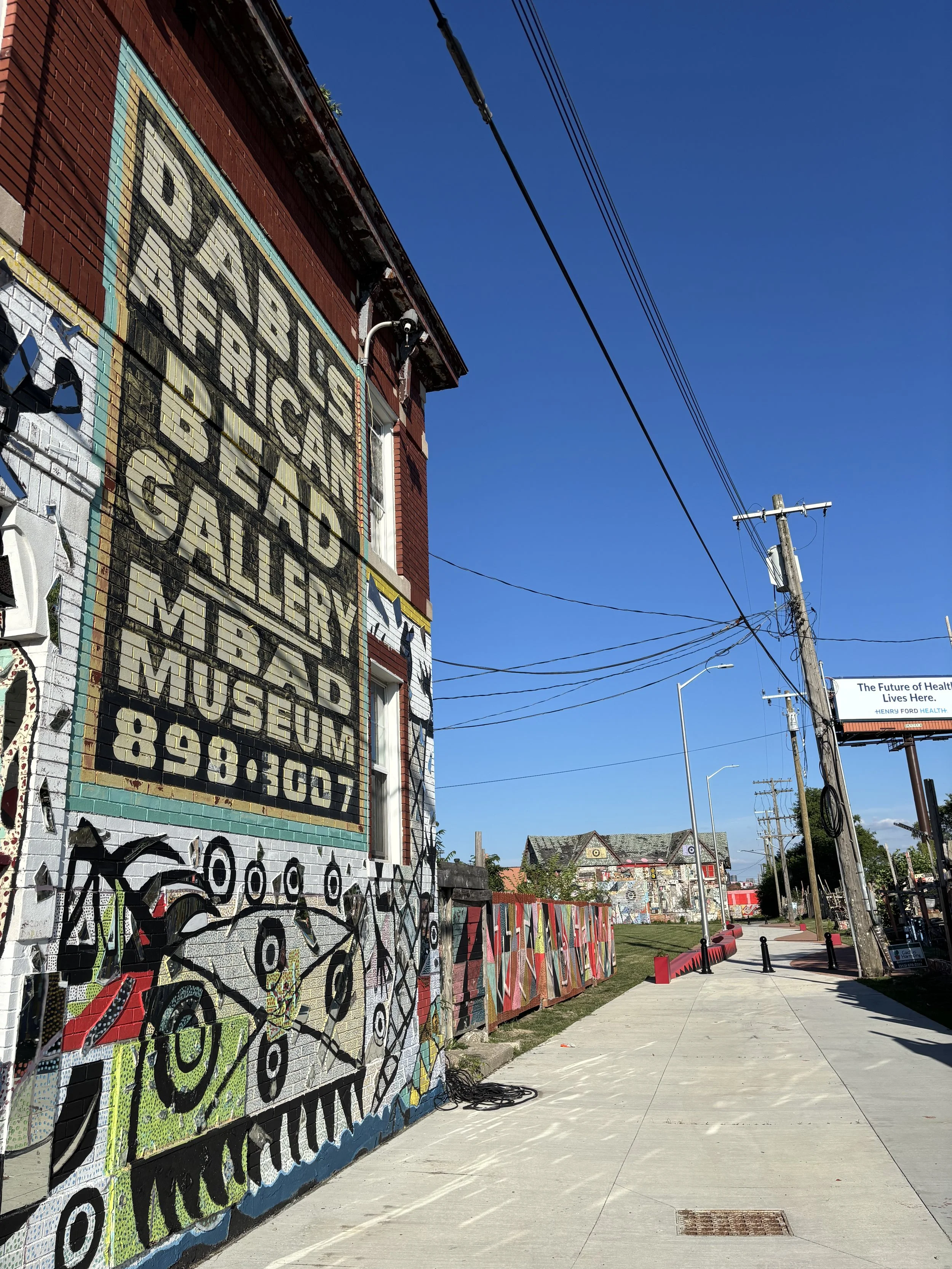
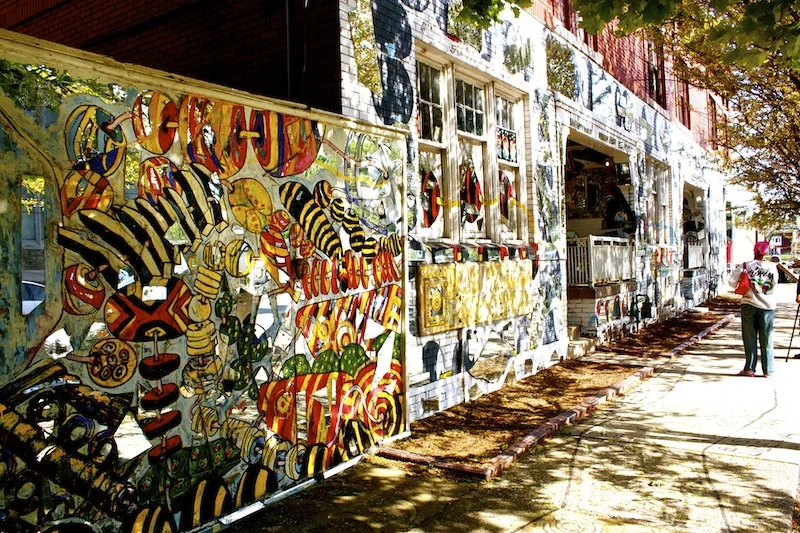
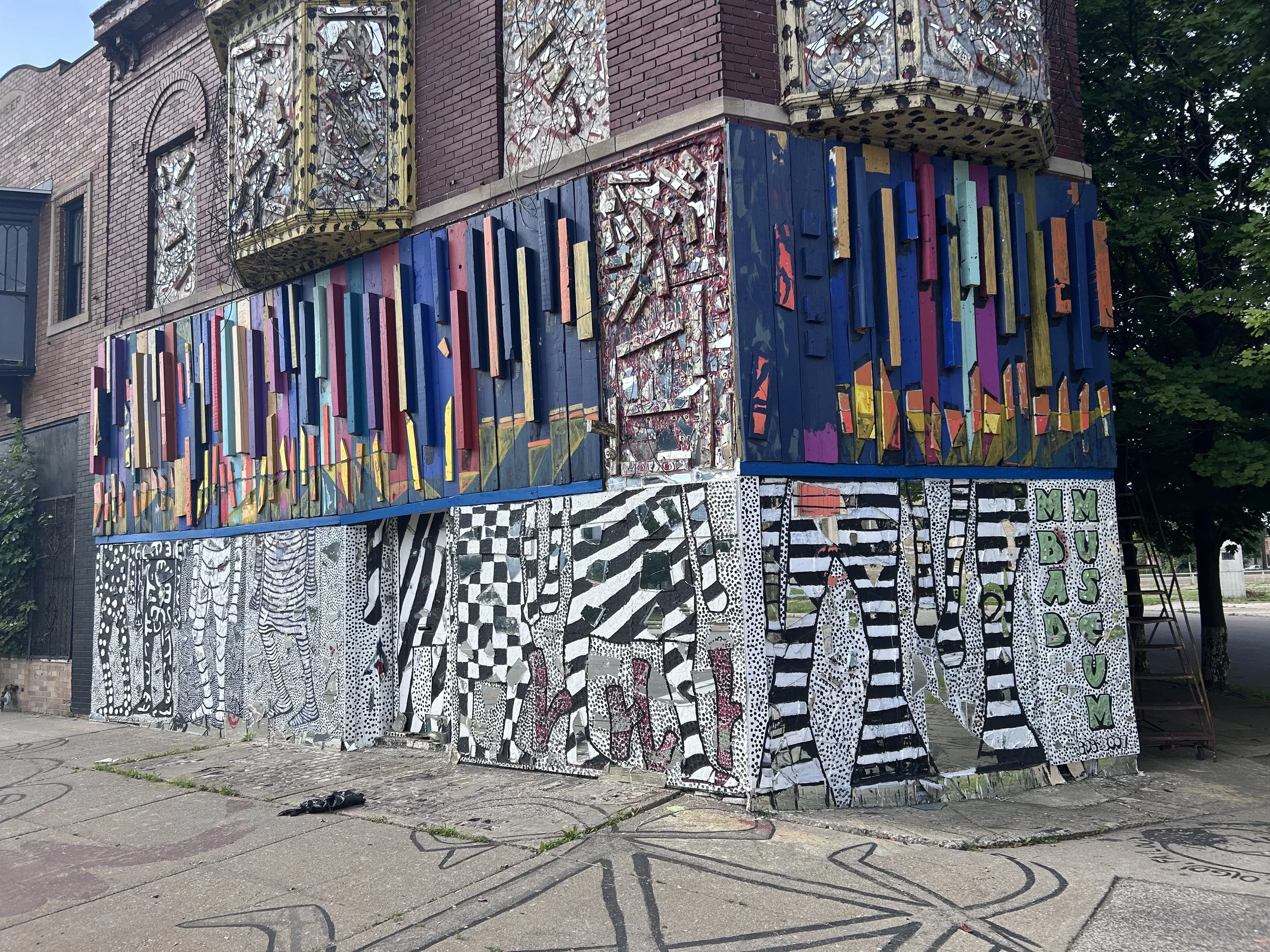
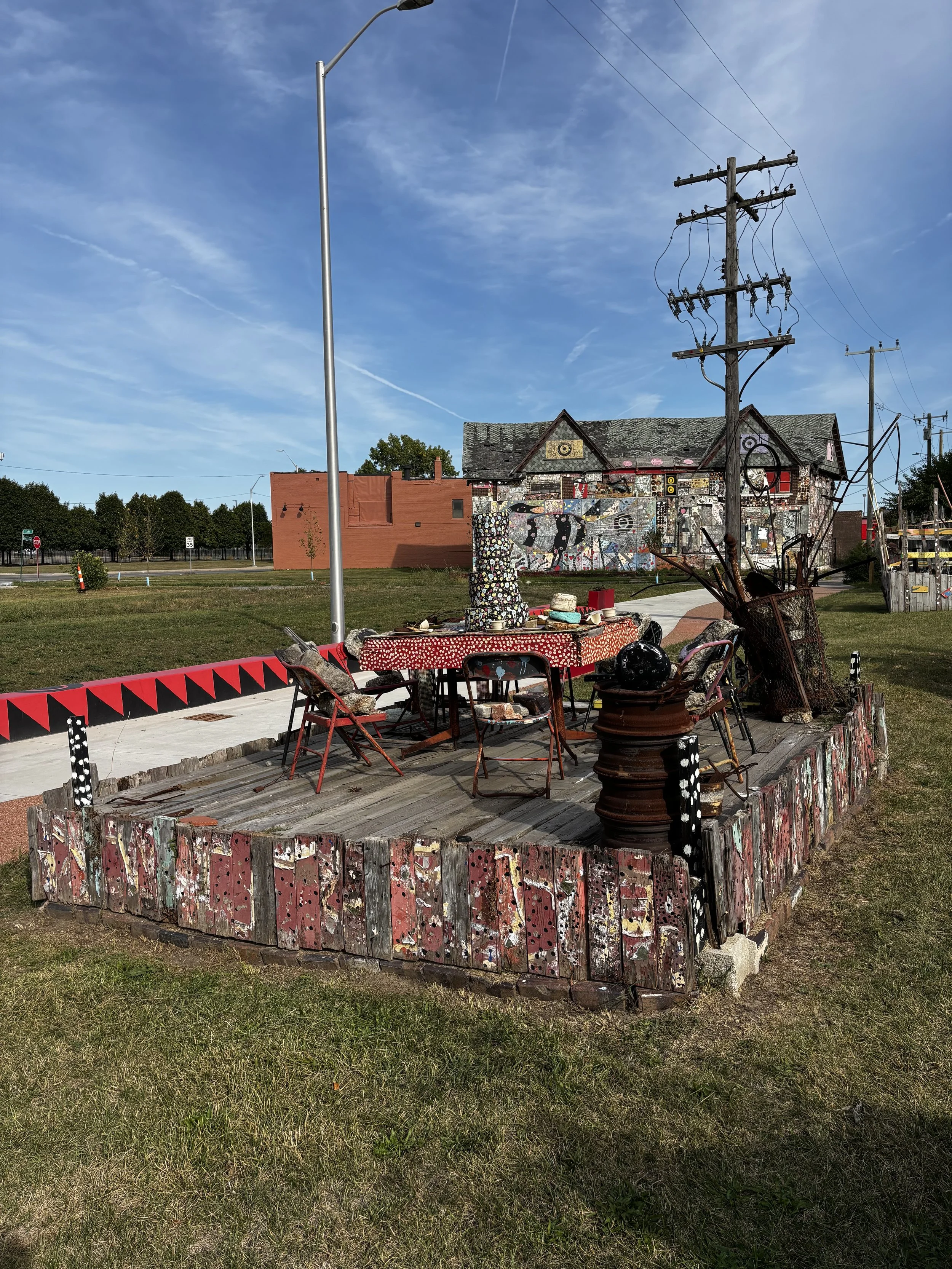
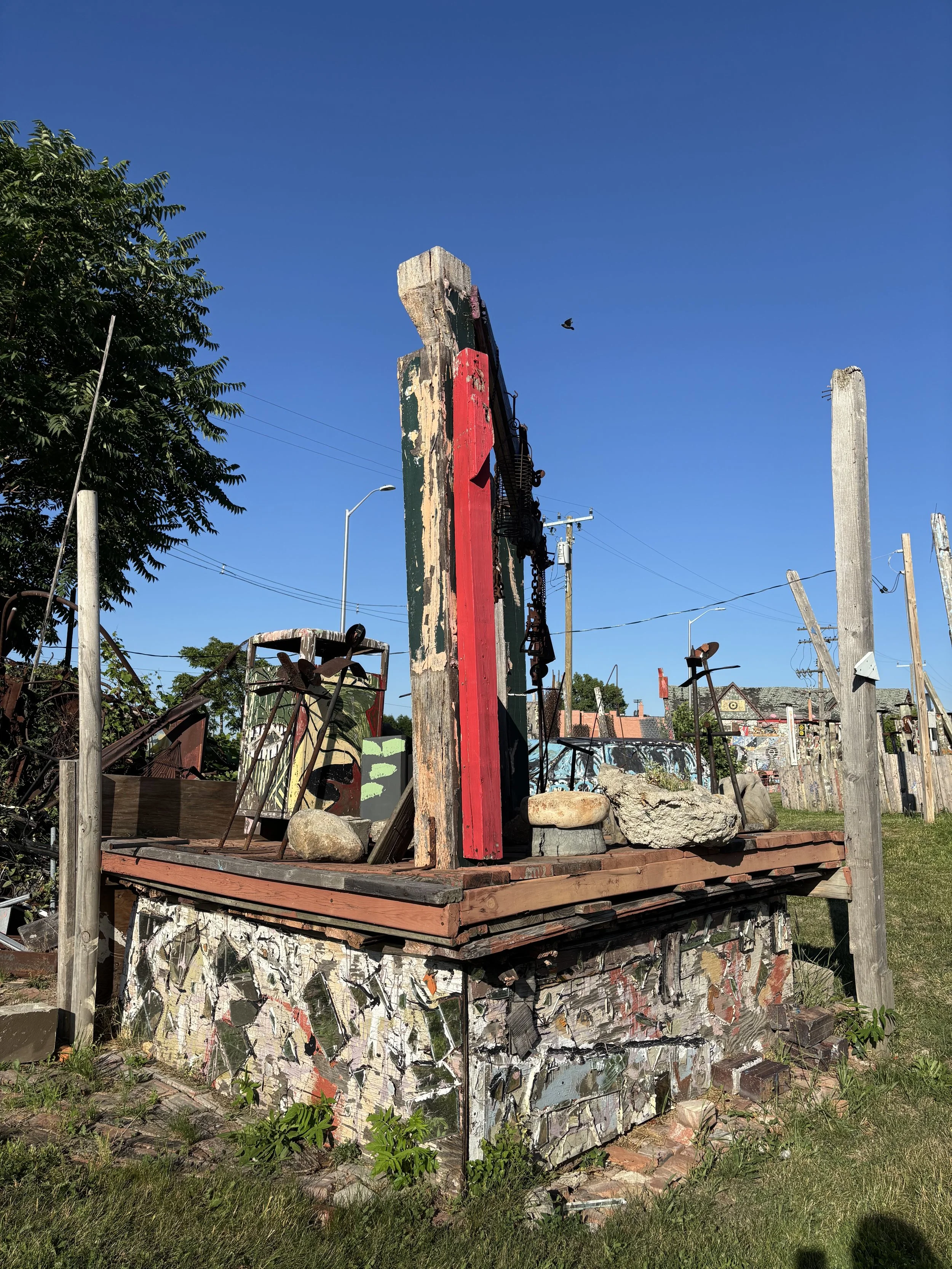
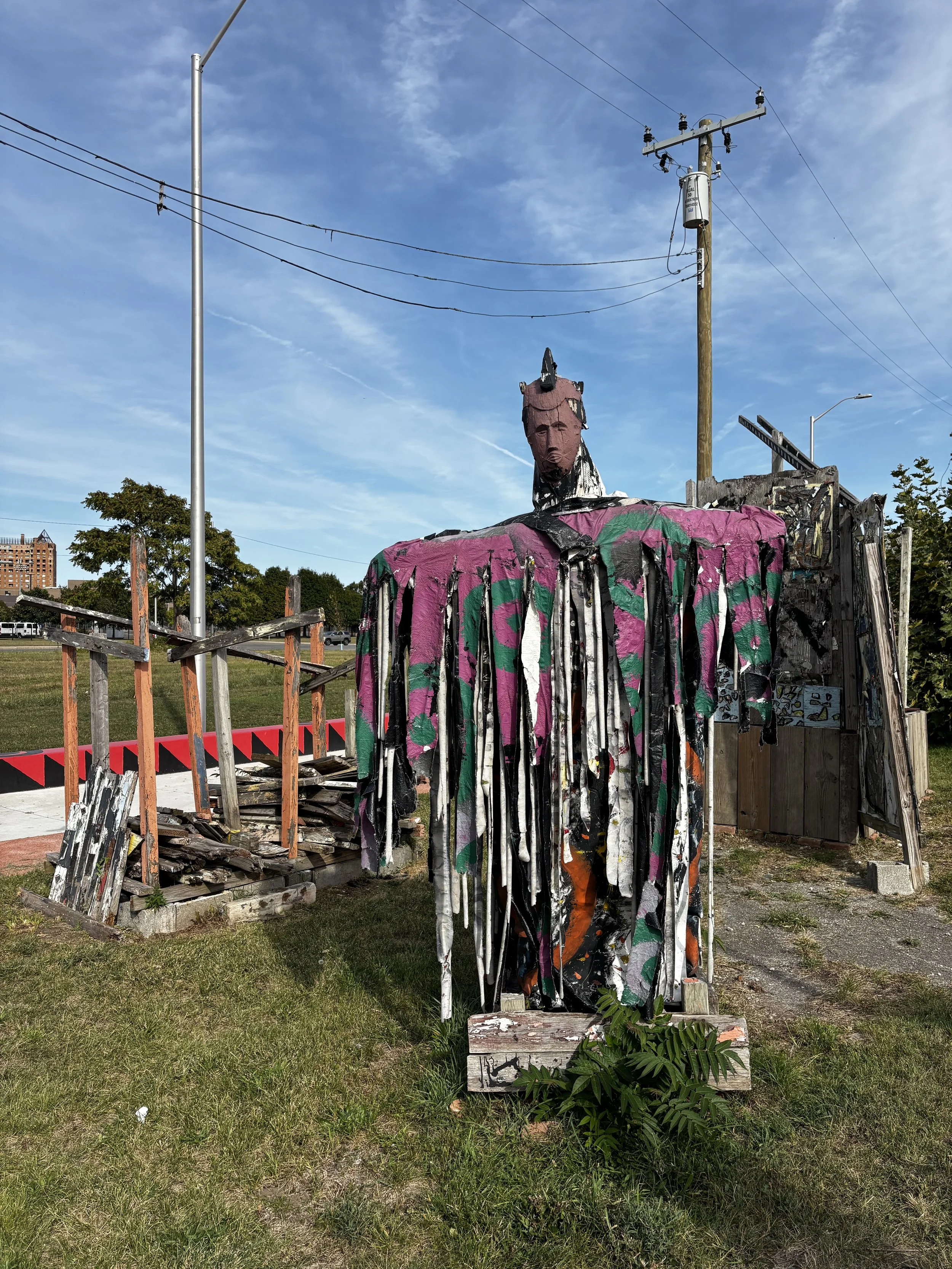
I have seen it at MBAD. I have seen it outside, exposed to Detroit winters and summers. I have seen materials collected, moved, stored, reconsidered, assembled, taken apart, and transformed. I have heard my dad explain again and again why iron, rocks, wood, mirrors, beads, and other materials are not simply materials—they carry meaning.
And then I watched those same ideas enter MOCAD.
Seeing the Work in a New Space
There was something powerful about seeing Dabls’ work removed from the environment where I had grown accustomed to seeing it and placed within a museum exhibition.
The space allowed me to look again.
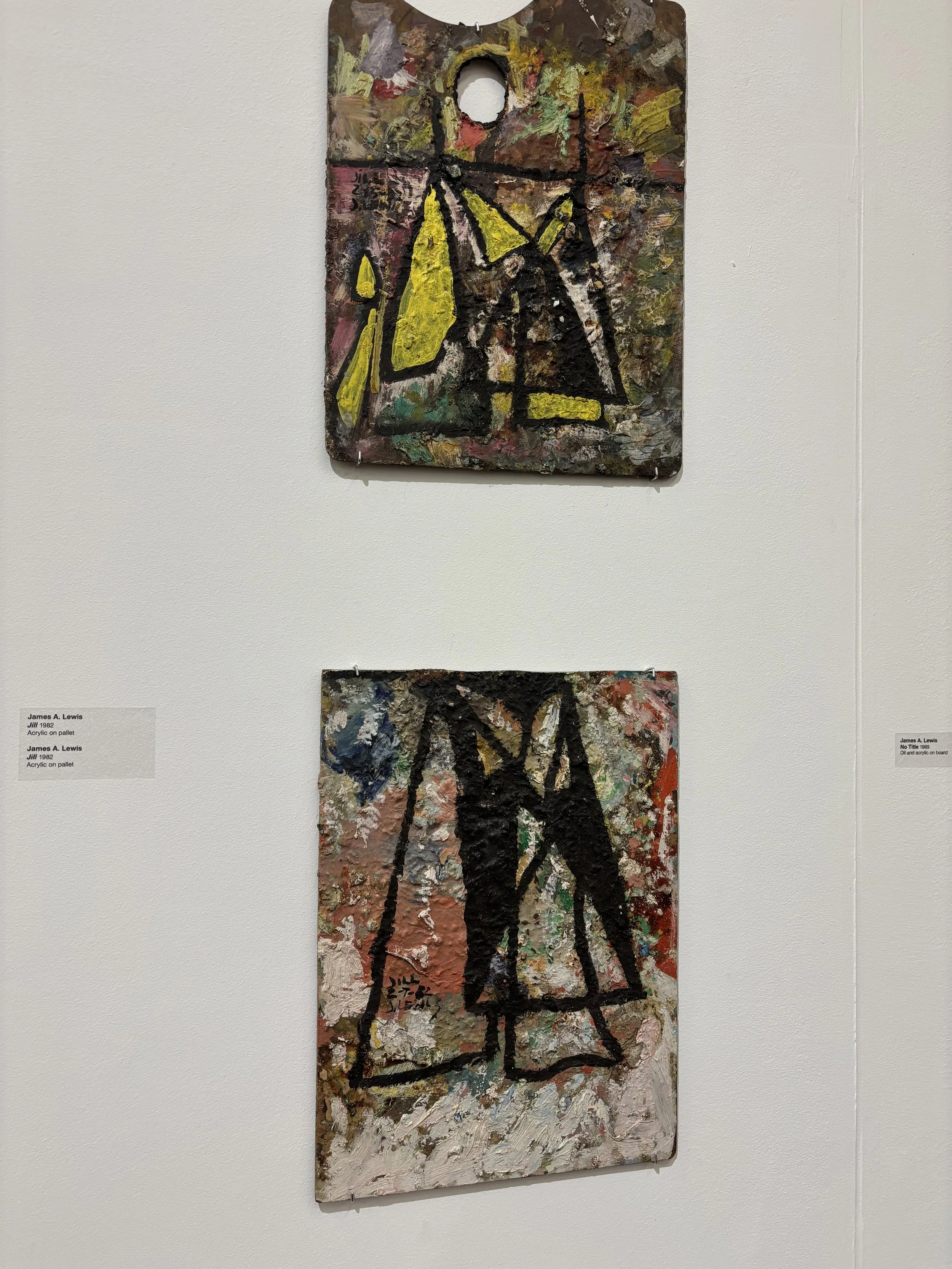
Material that had always felt familiar suddenly asked for another kind of attention. Individual works could stand on their own, while together they revealed just how expansive his visual language has become over decades of making.
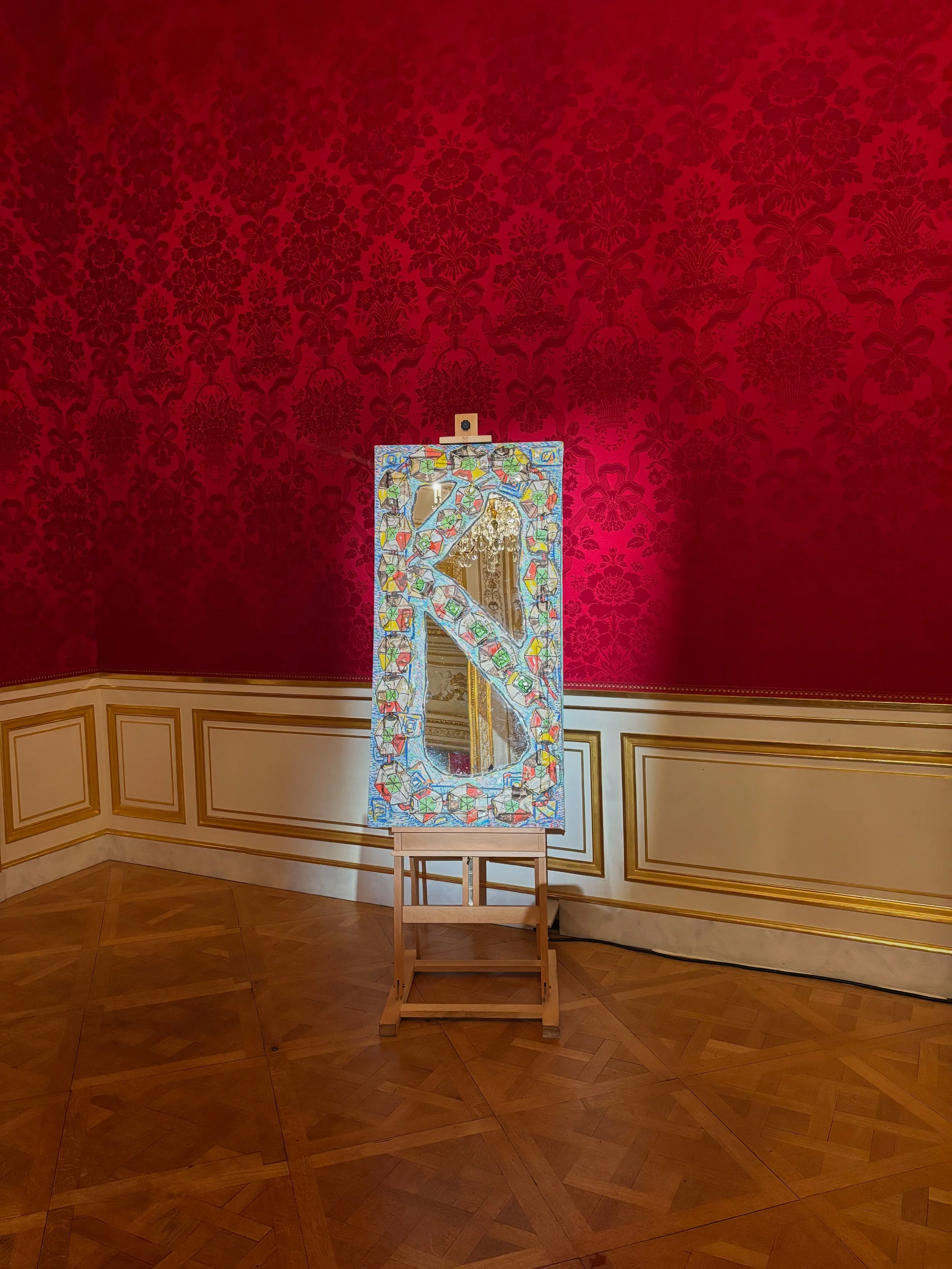
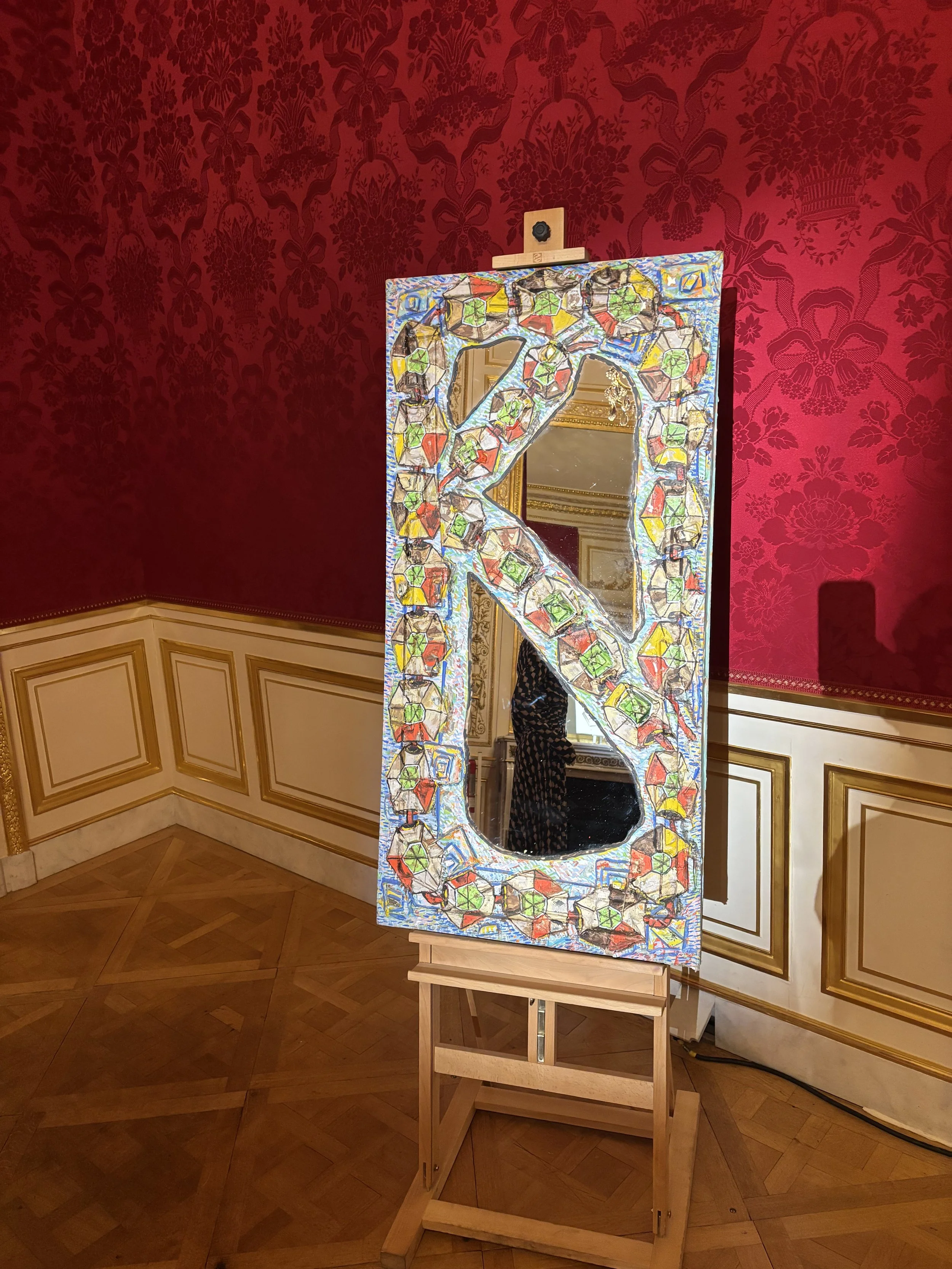
Iron. Rocks. Wood. Mirrors.
Materials that can seem ordinary until Dabls begins telling you what they mean.
His work has never been solely about making art. It is about teaching. It is about remembering. It is about understanding where we come from so that we can better understand where we are going.
That philosophy has shaped the MBAD African Bead Museum, and seeing it carried into MOCAD felt like watching another chapter of that story unfold.
A Moment of Recognition
Opening day brought hundreds of people through the museum.
I watched people stop in front of works I had passed countless times. I watched them study details, read, photograph, ask questions, and listen to my dad speak.
And I found myself doing some of the same.
Sometimes when you are close to something, you don’t immediately recognize its scale.
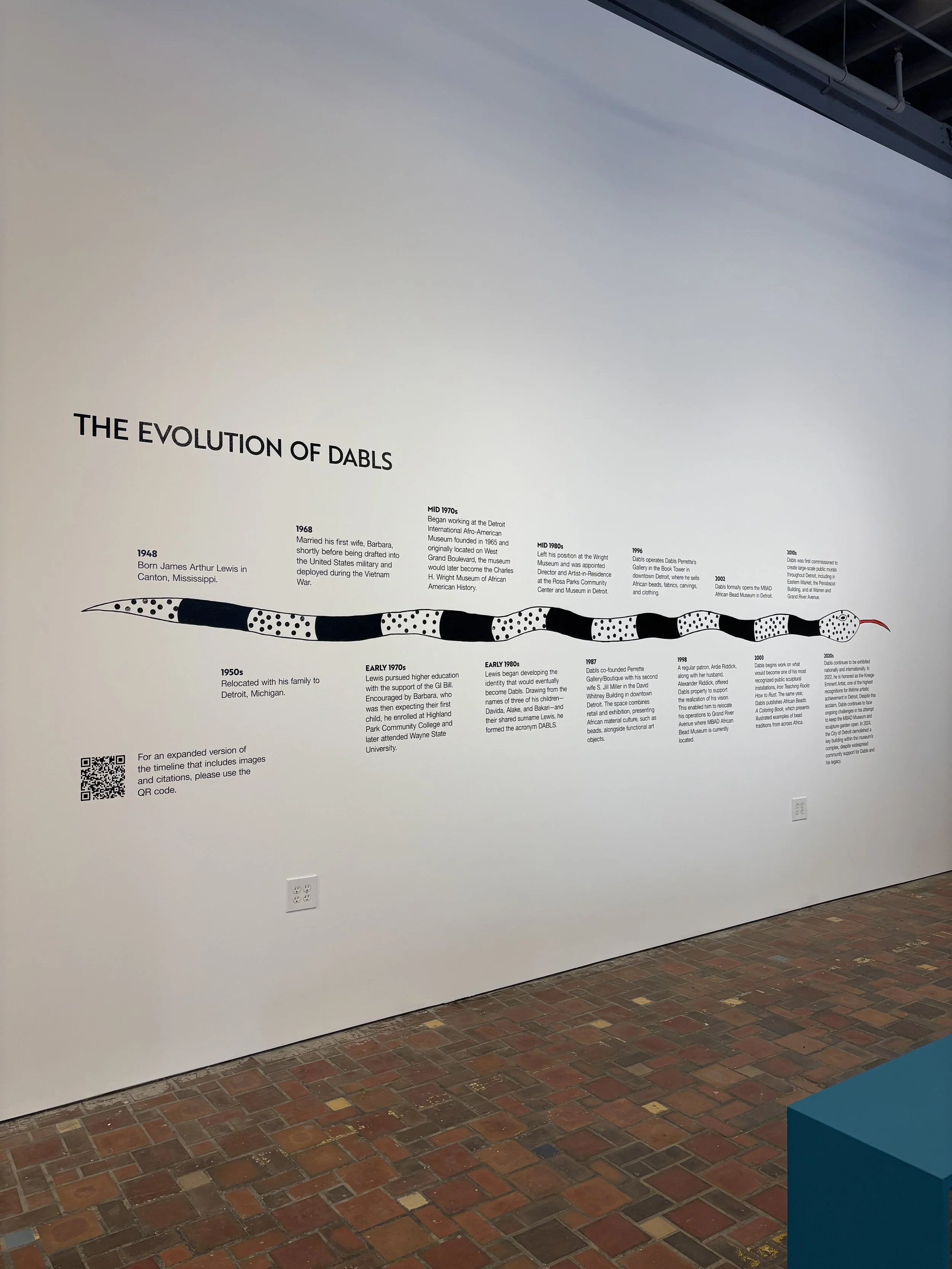
This exhibition gave me an opportunity to step outside of the day-to-day work of running MBAD and see what has been built over all these years—not only an extraordinary body of artwork, but an entire way of thinking.
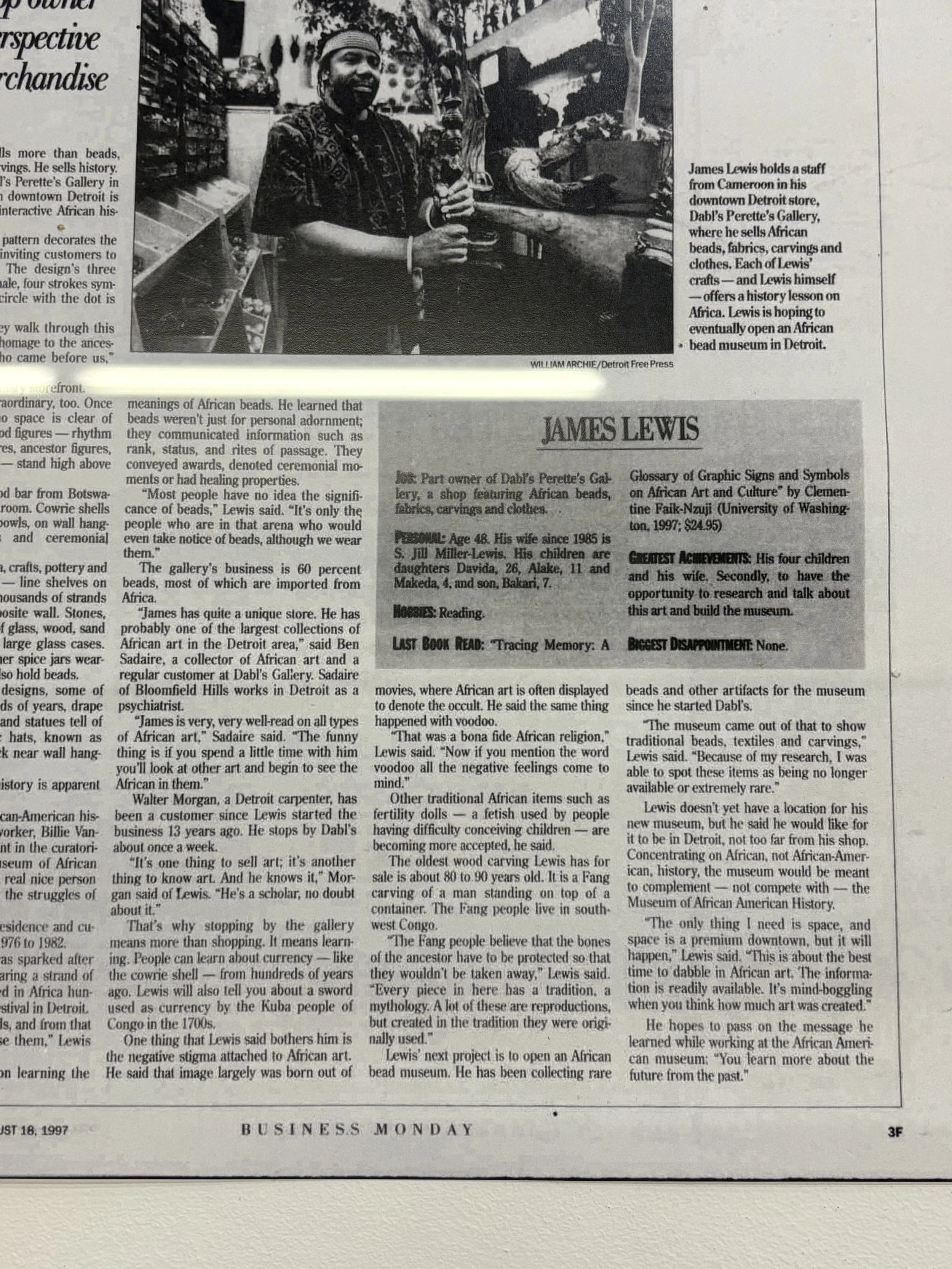
It also made me think about how much of my dad’s story still needs to be documented.
There are exhibitions, installations, conversations, photographs, materials, stories, and moments scattered across decades. Some are well documented. Others live mostly in memory.
As MBAD continues to grow, I have become increasingly aware that part of my responsibility is to bring those pieces together.
Looking Back to Move Forward
The Sankofa bird has always held an important place in Dabls’ philosophy: the understanding that moving forward sometimes requires us to return to what has been left behind.
That idea feels especially present to me now.
The MOCAD exhibition was a retrospective, but I never experienced it as an ending.
If anything, it made the future feel larger.
There is still work being created. There are still stories being uncovered. MBAD itself continues to evolve. New projects are taking shape, old works are being reconsidered, and a history that has been built piece by piece for decades is beginning to come together in ways even I am seeing differently.
I am watching my dad’s work receive new attention while also watching MBAD enter its own next chapter.
And somewhere in the middle of all of that, I am learning how important it is to stop occasionally and recognize the moment we are standing in.
This was one of those moments.
— Alake Williams
Director, MBAD African Bead Museum