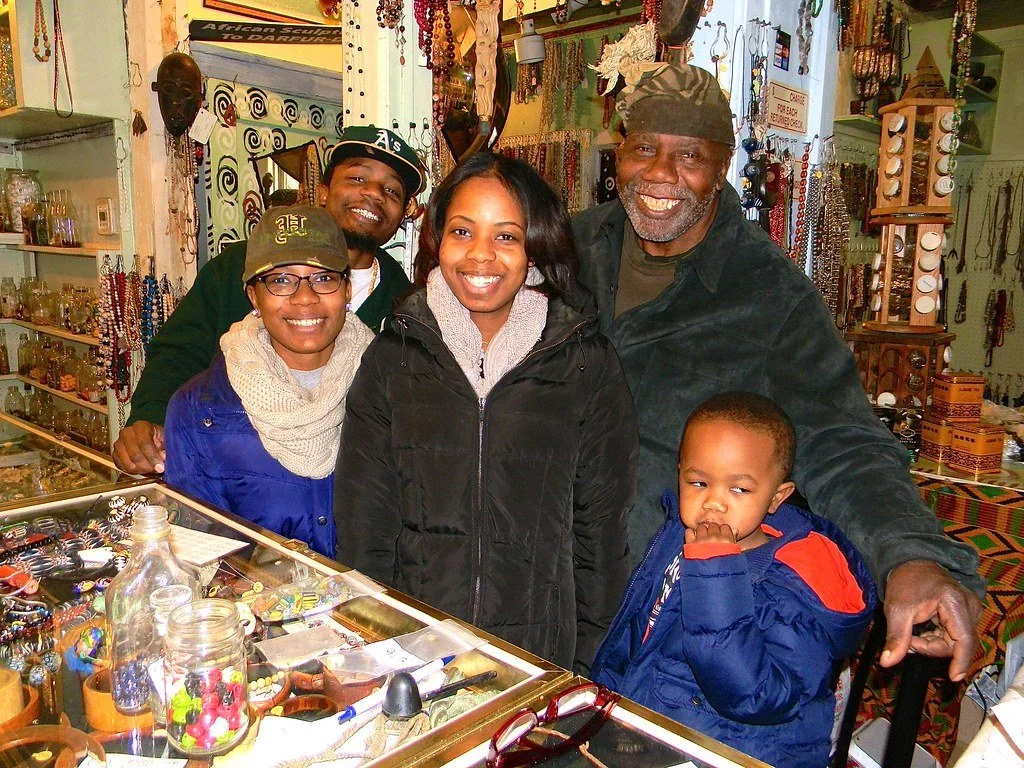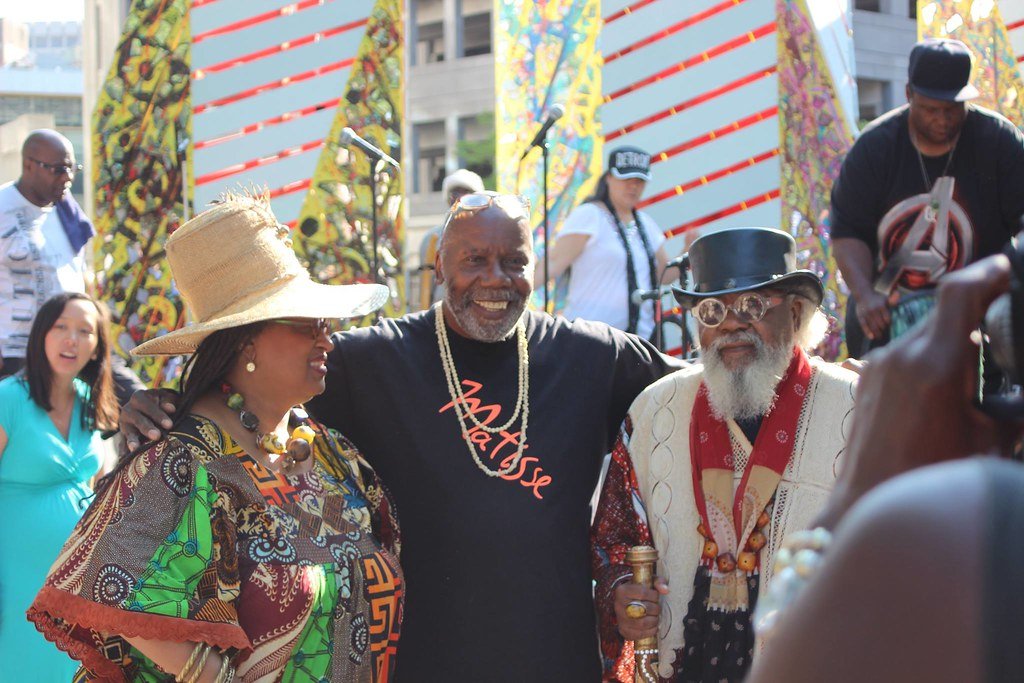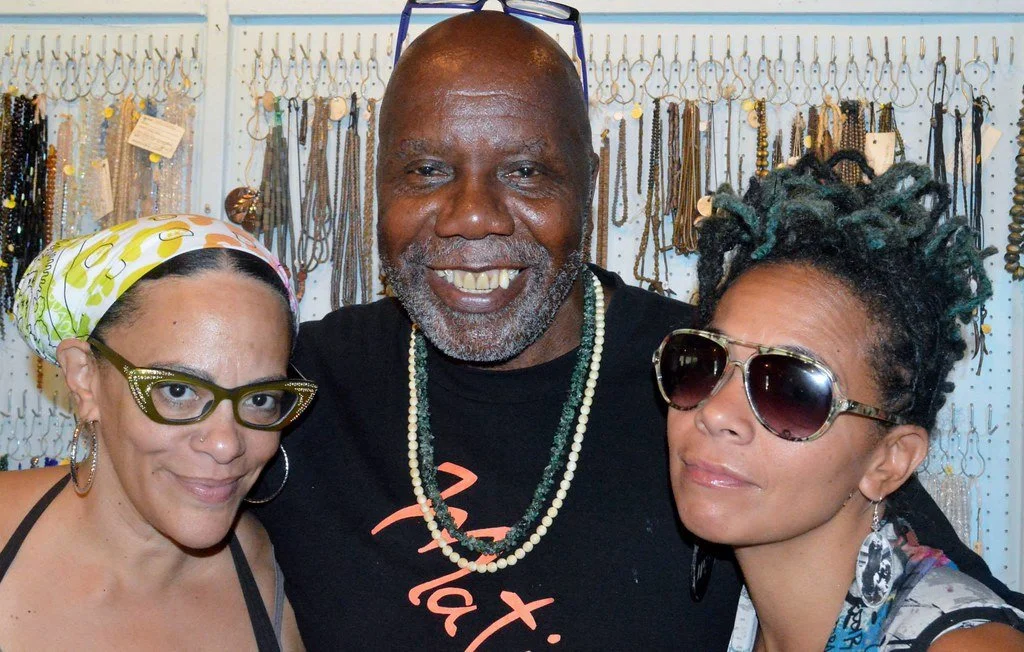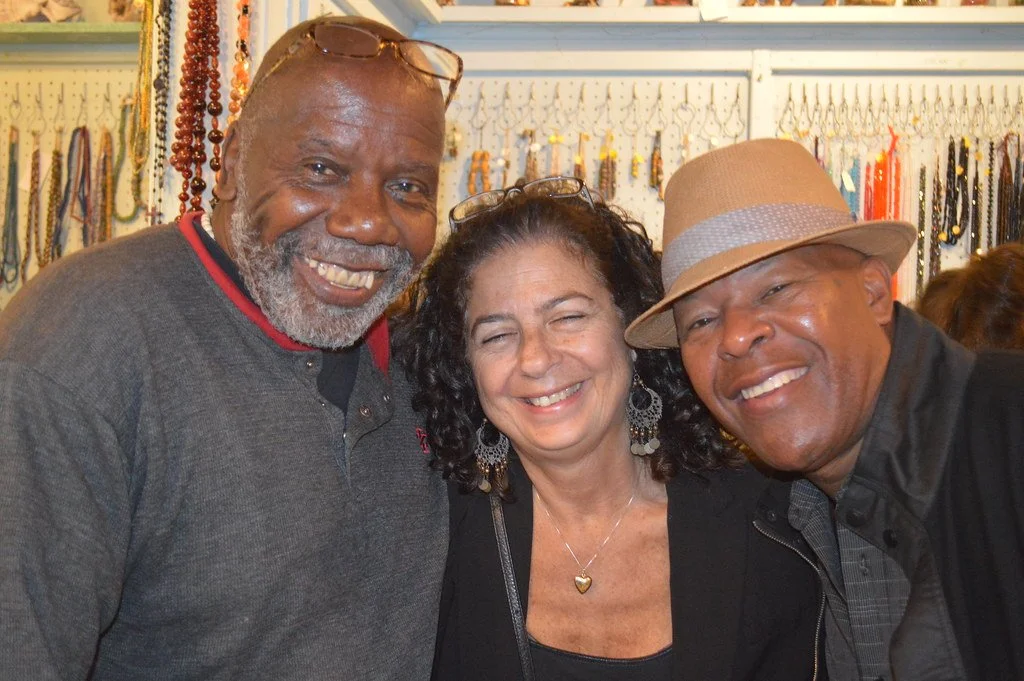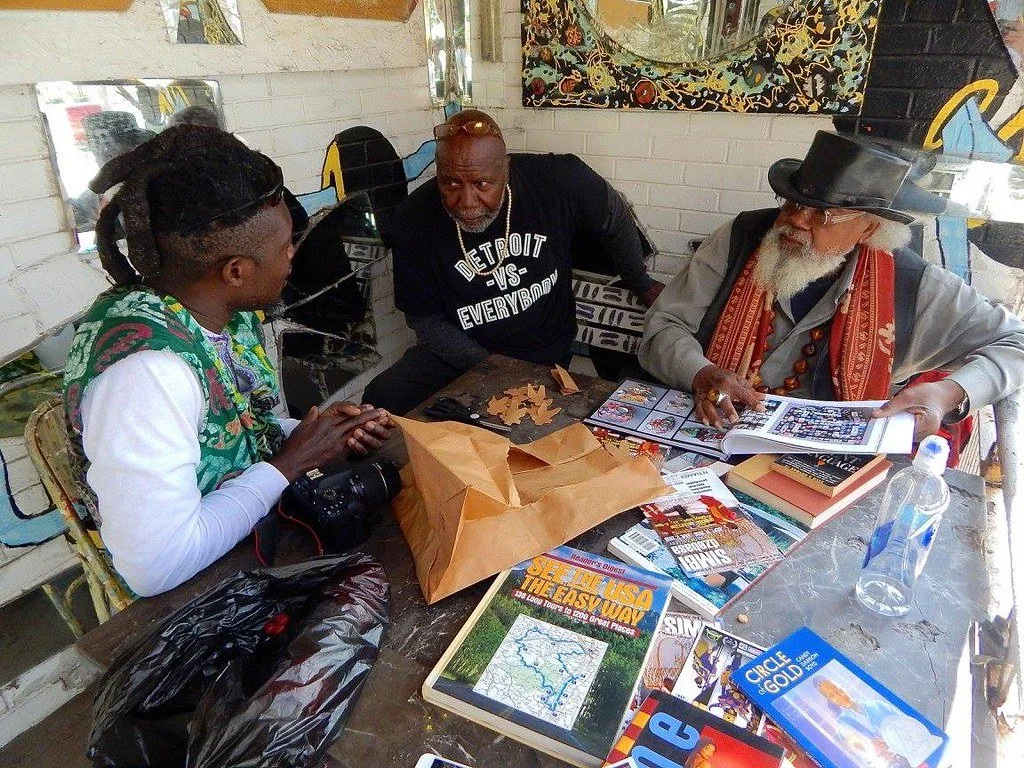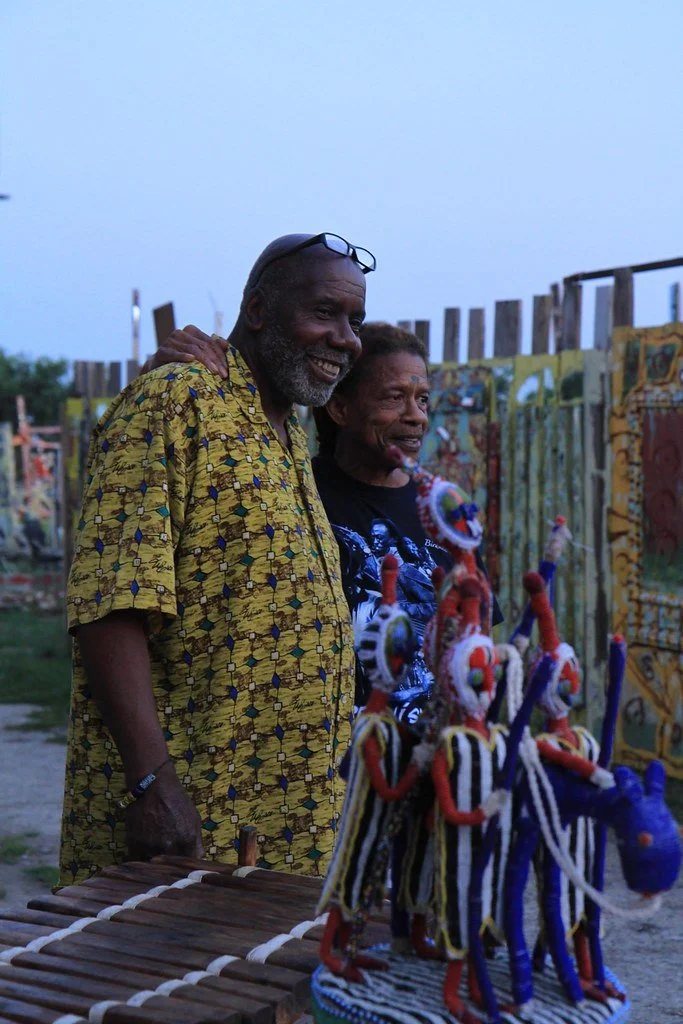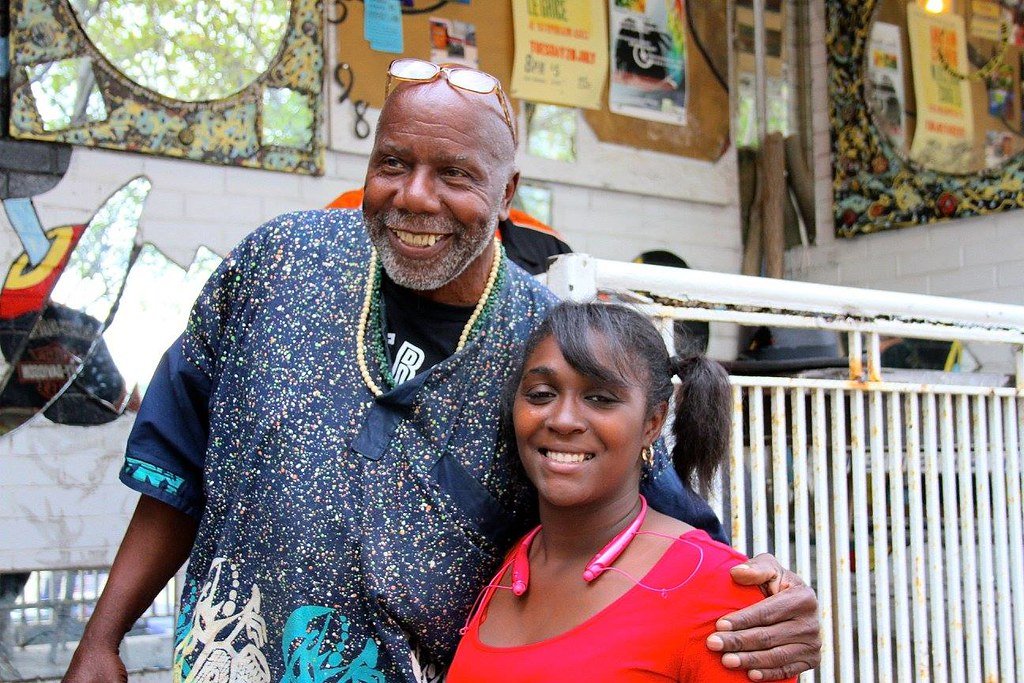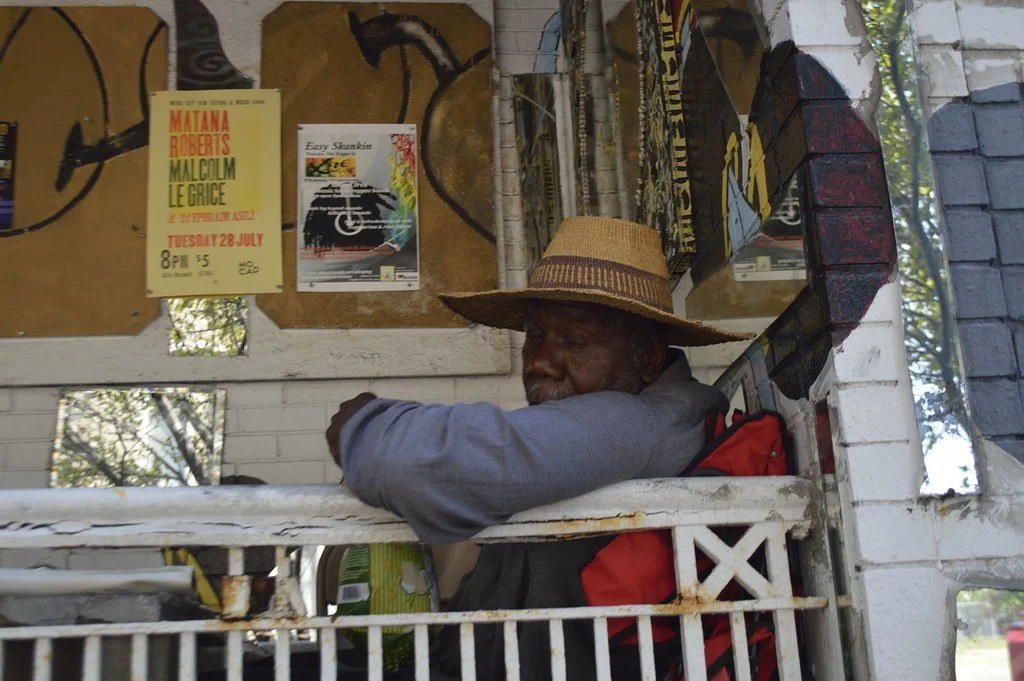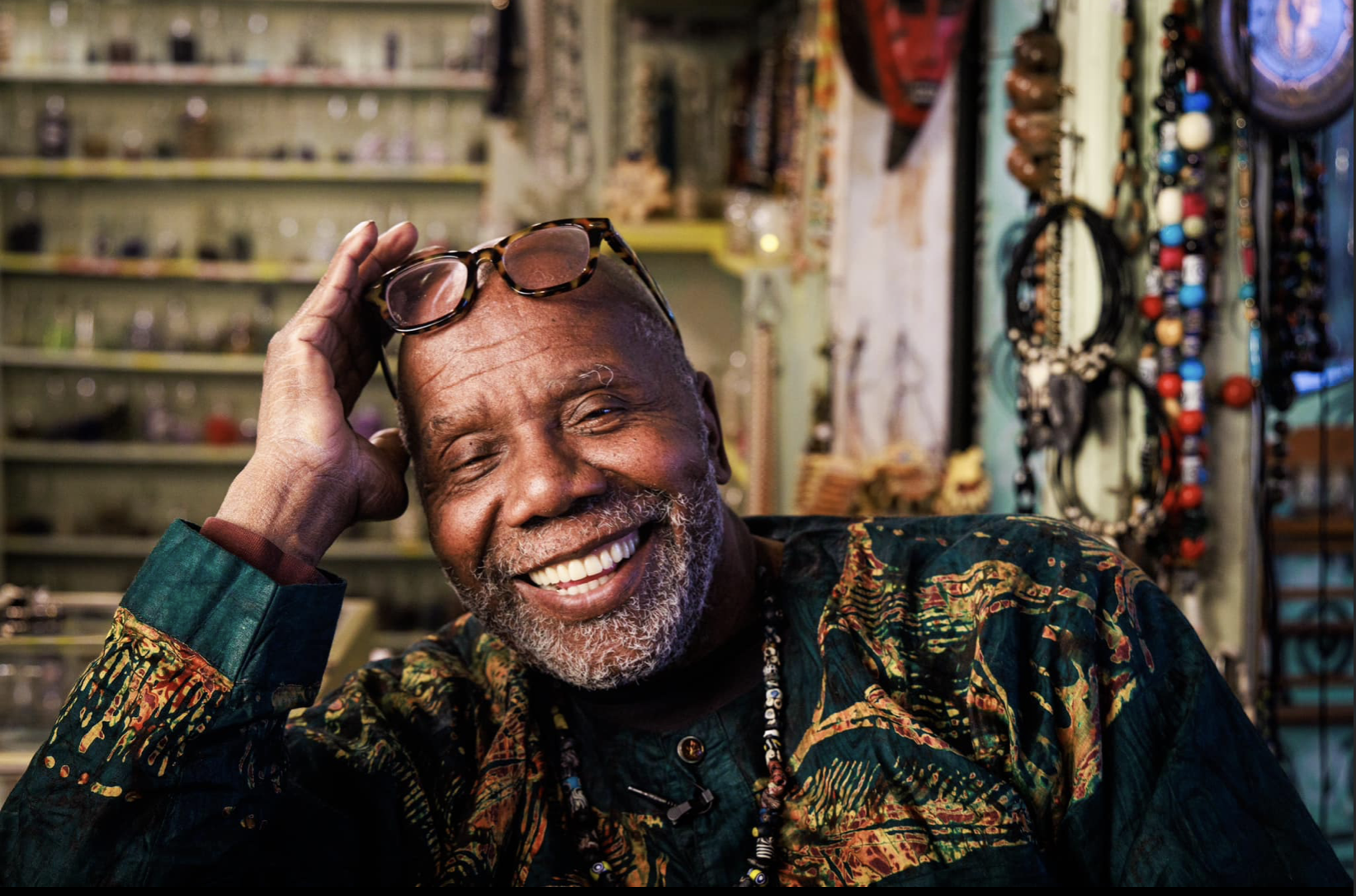
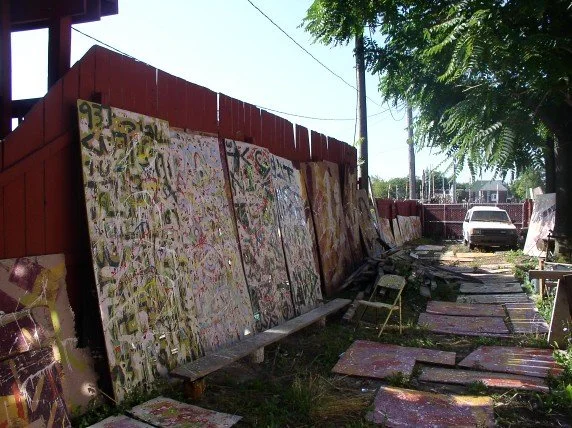
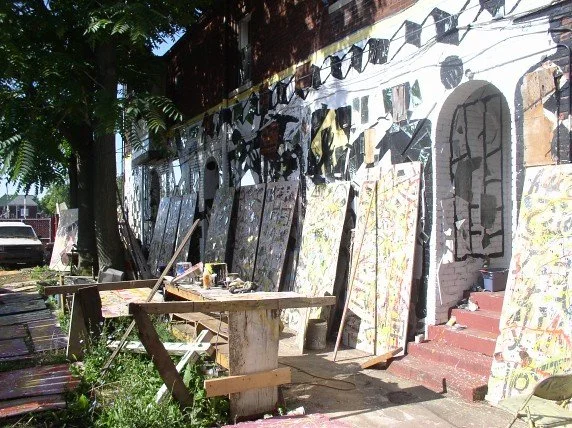
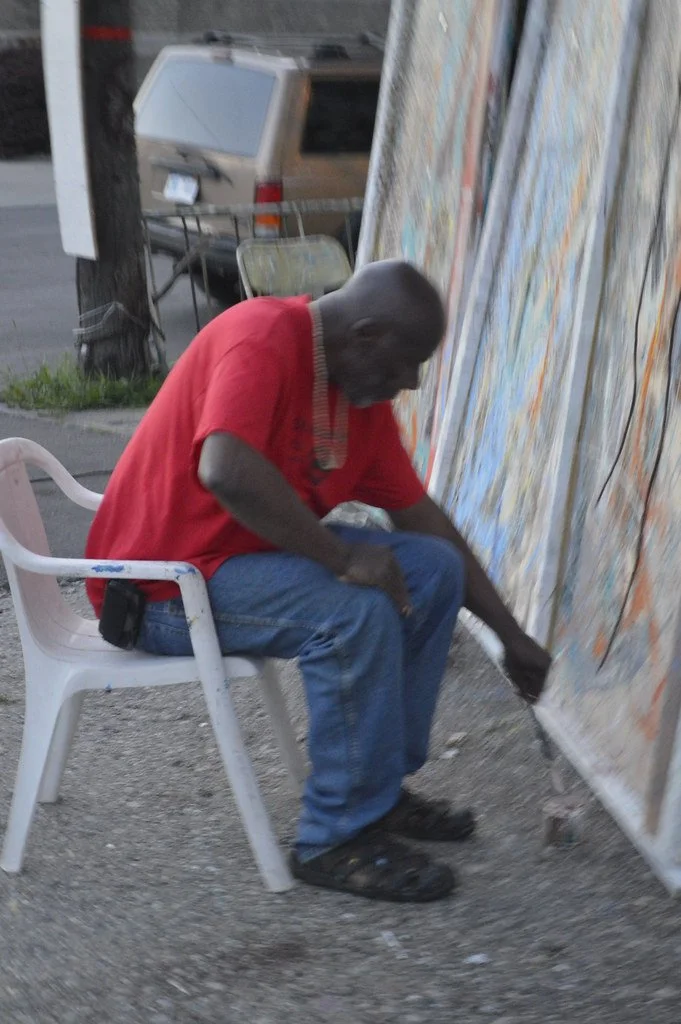
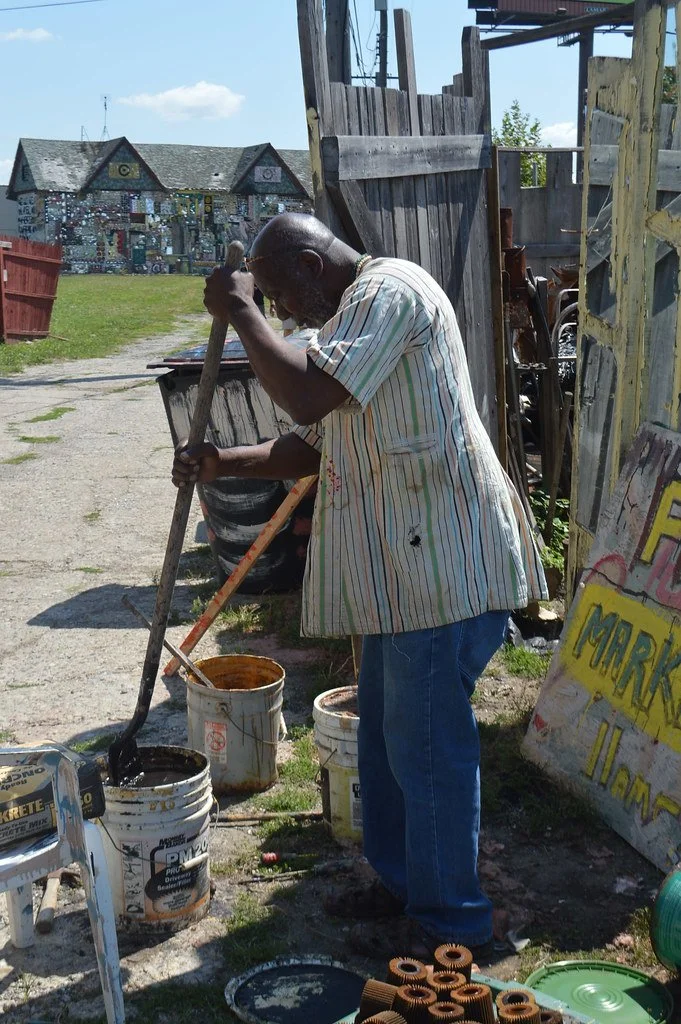
For more than five decades, Olayami Dabls has used art and storytelling to explore African material culture, identity, memory, and the human experience. Working across painting, sculpture, installation, assemblage, and monumental outdoor environments, Dabls has developed a visual language shaped by African cultural traditions, the materials he collects, and the city of Detroit.
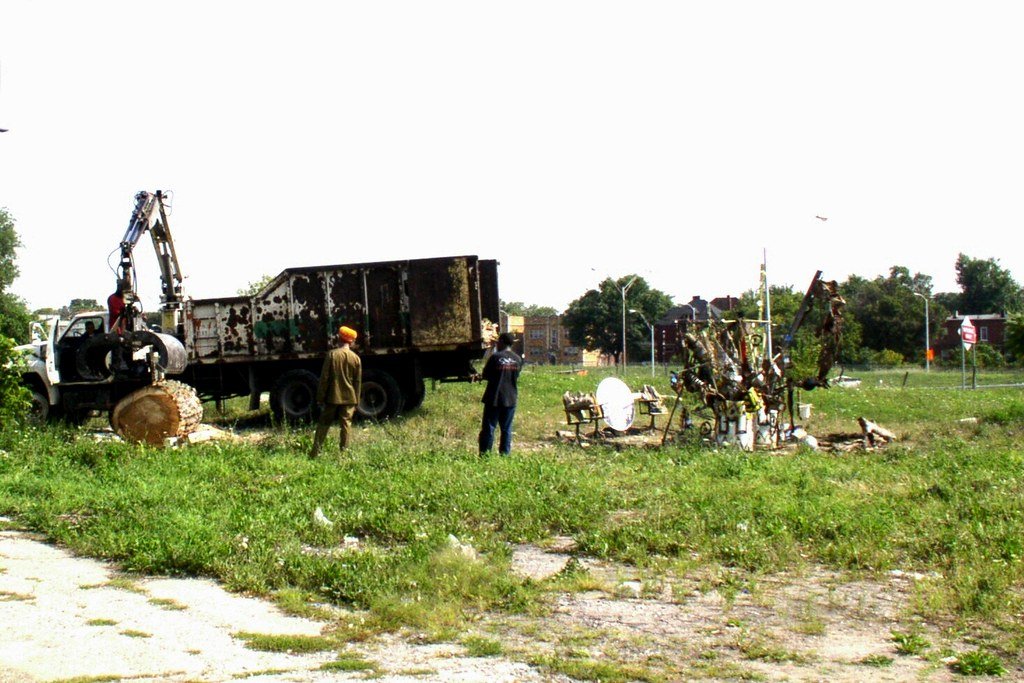
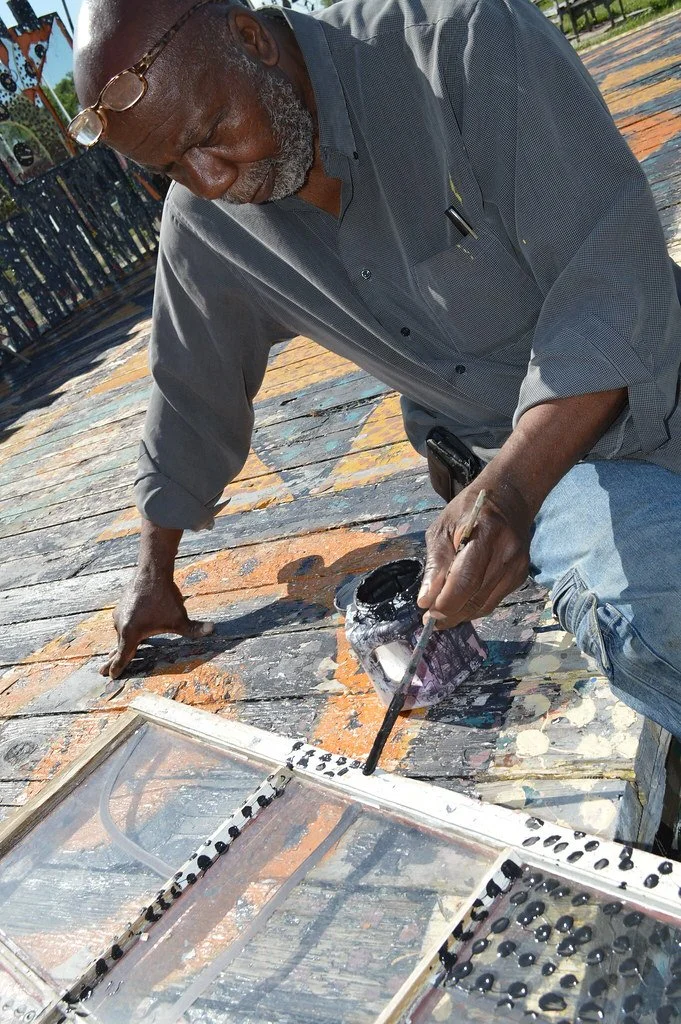
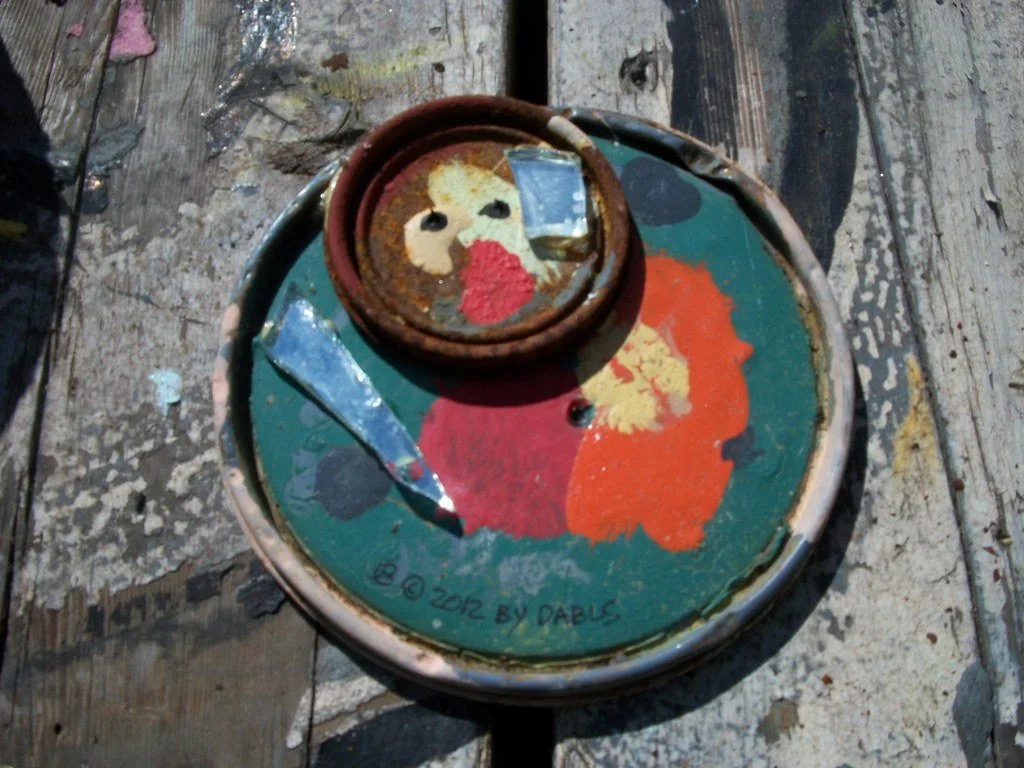
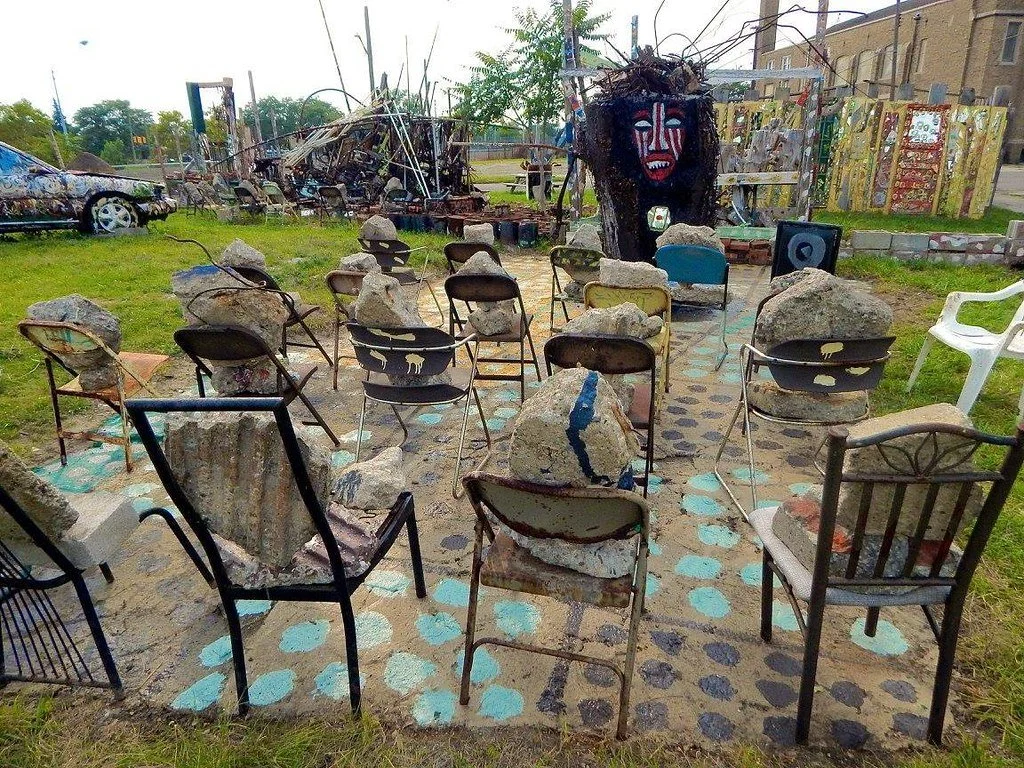
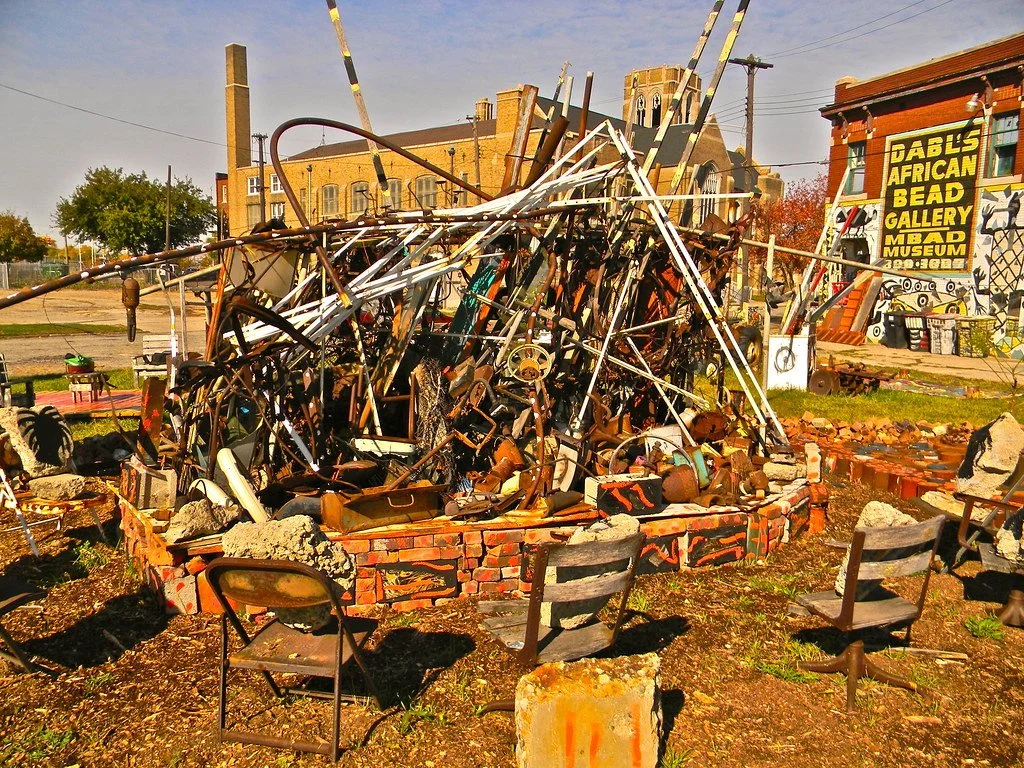
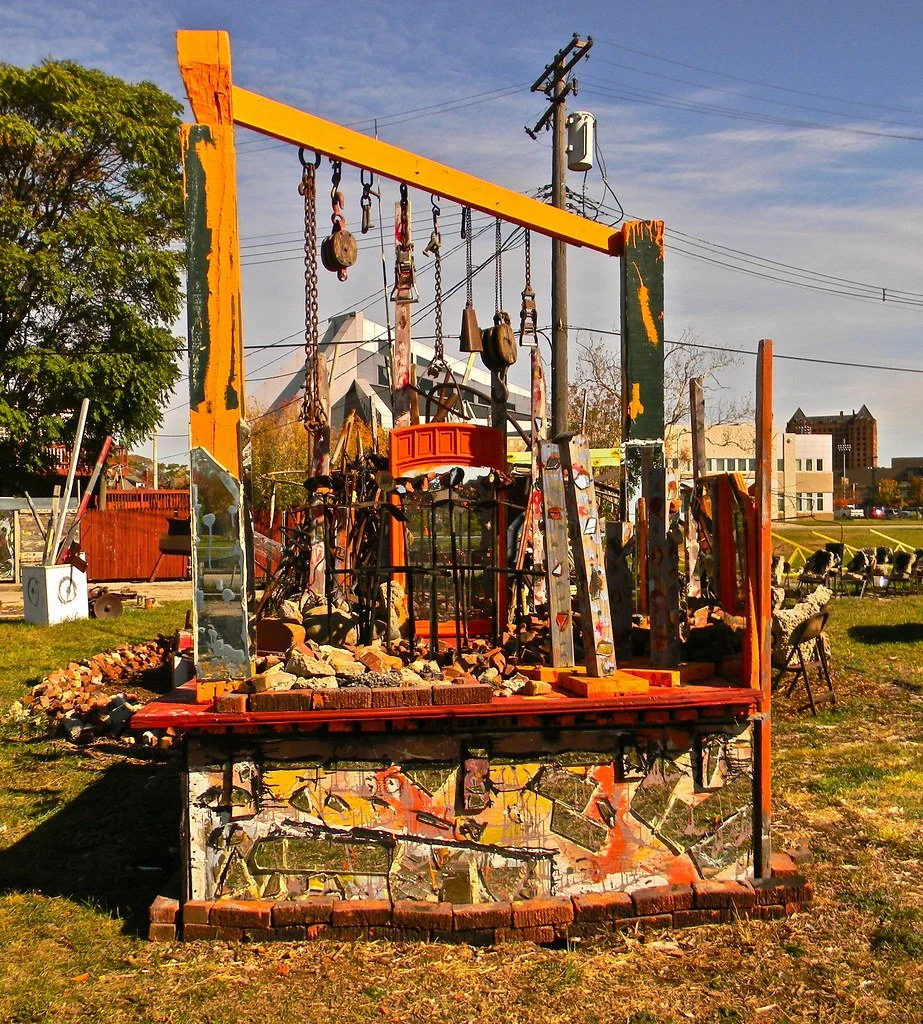
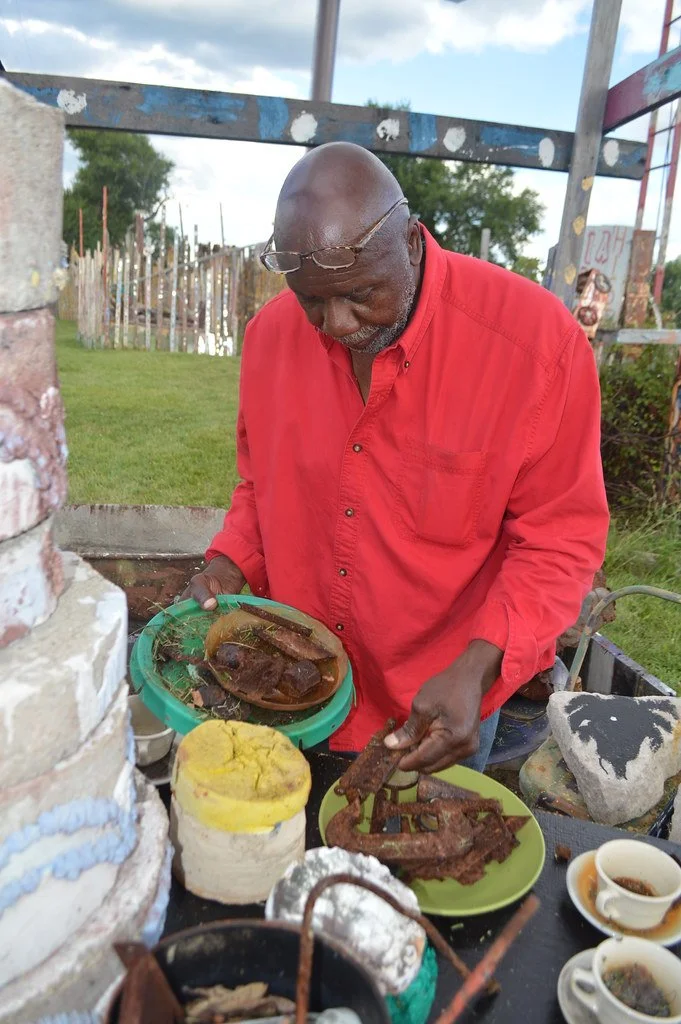
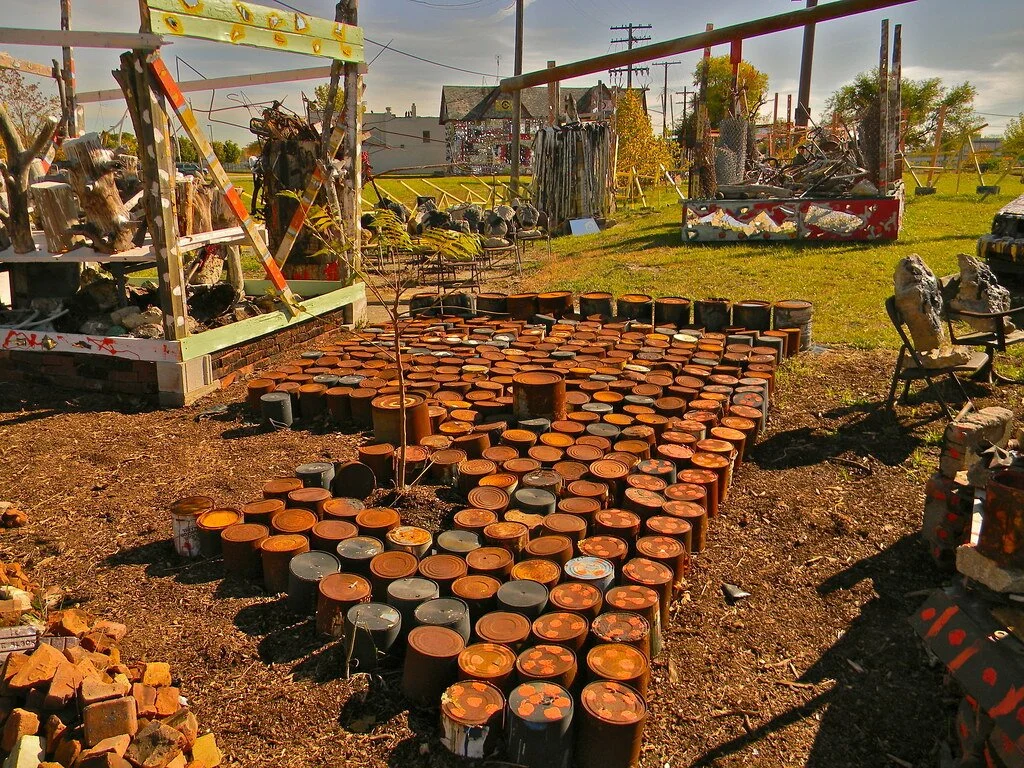
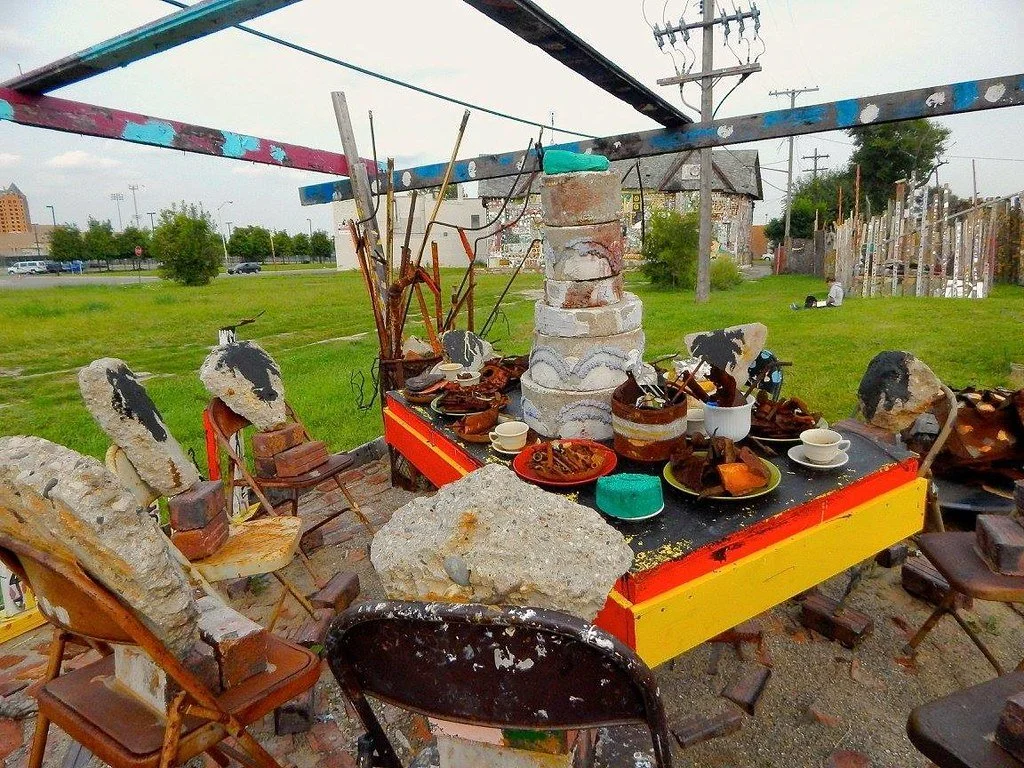
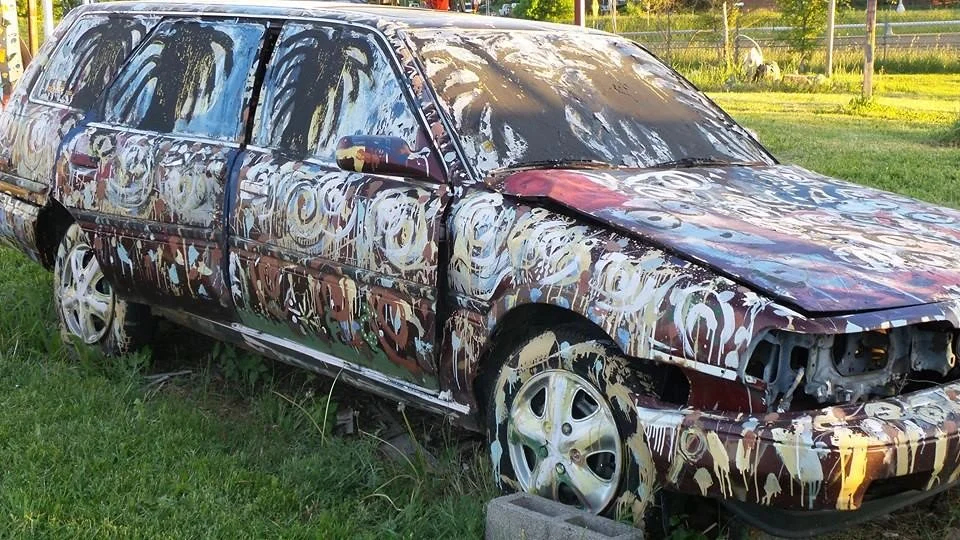
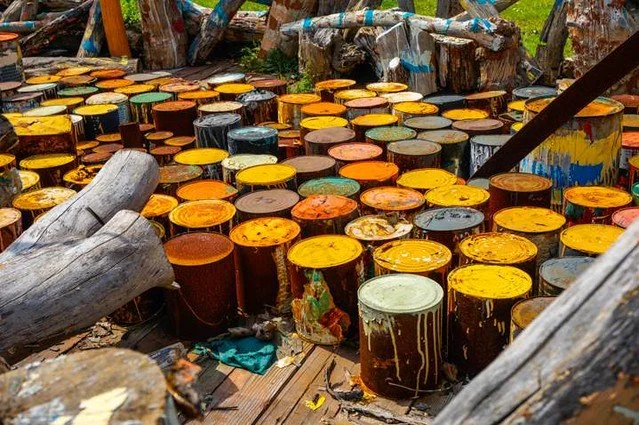
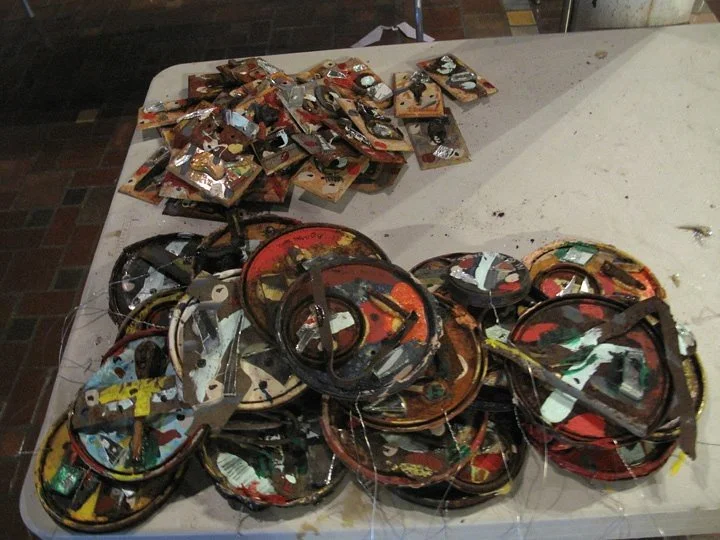
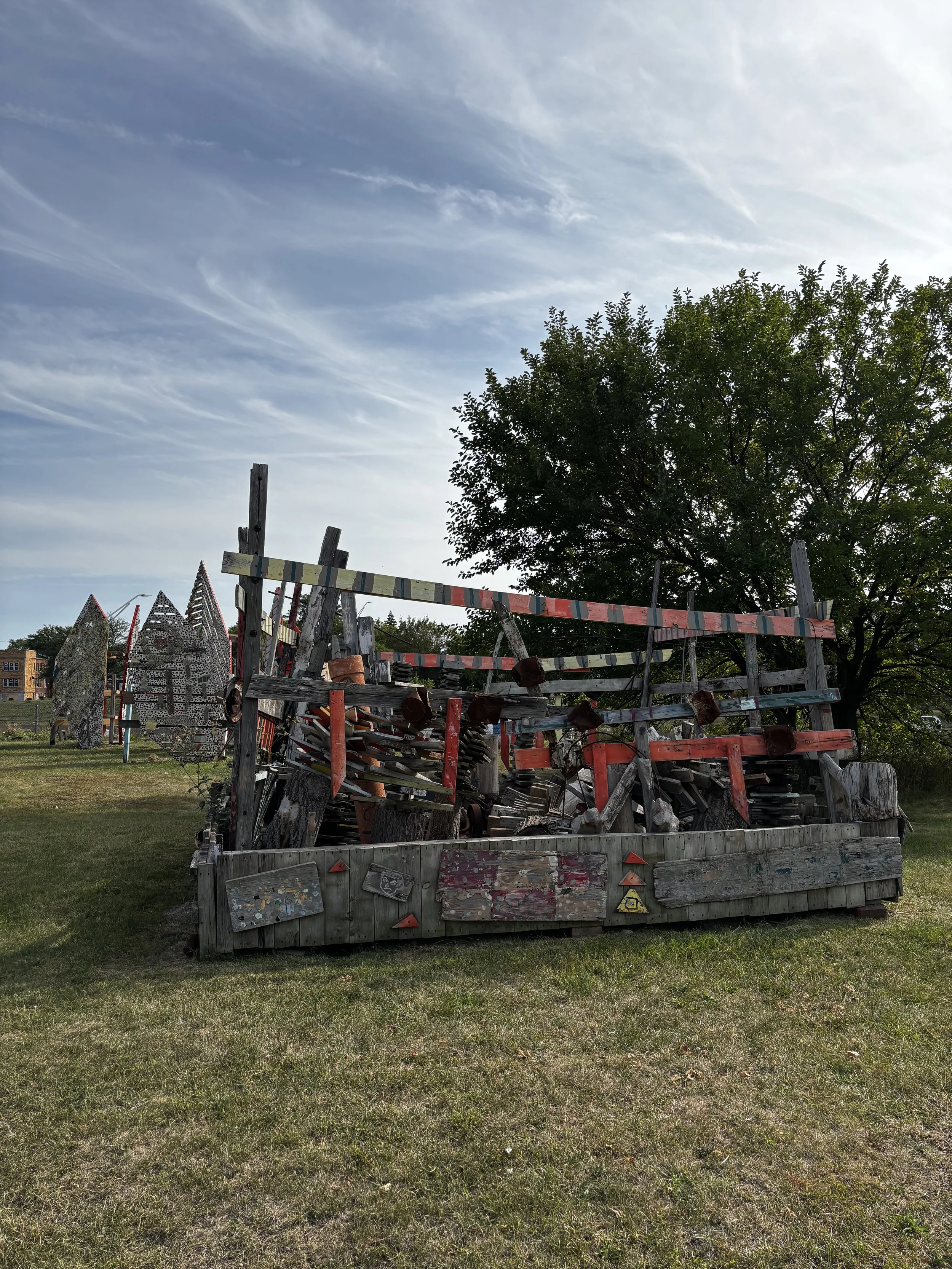
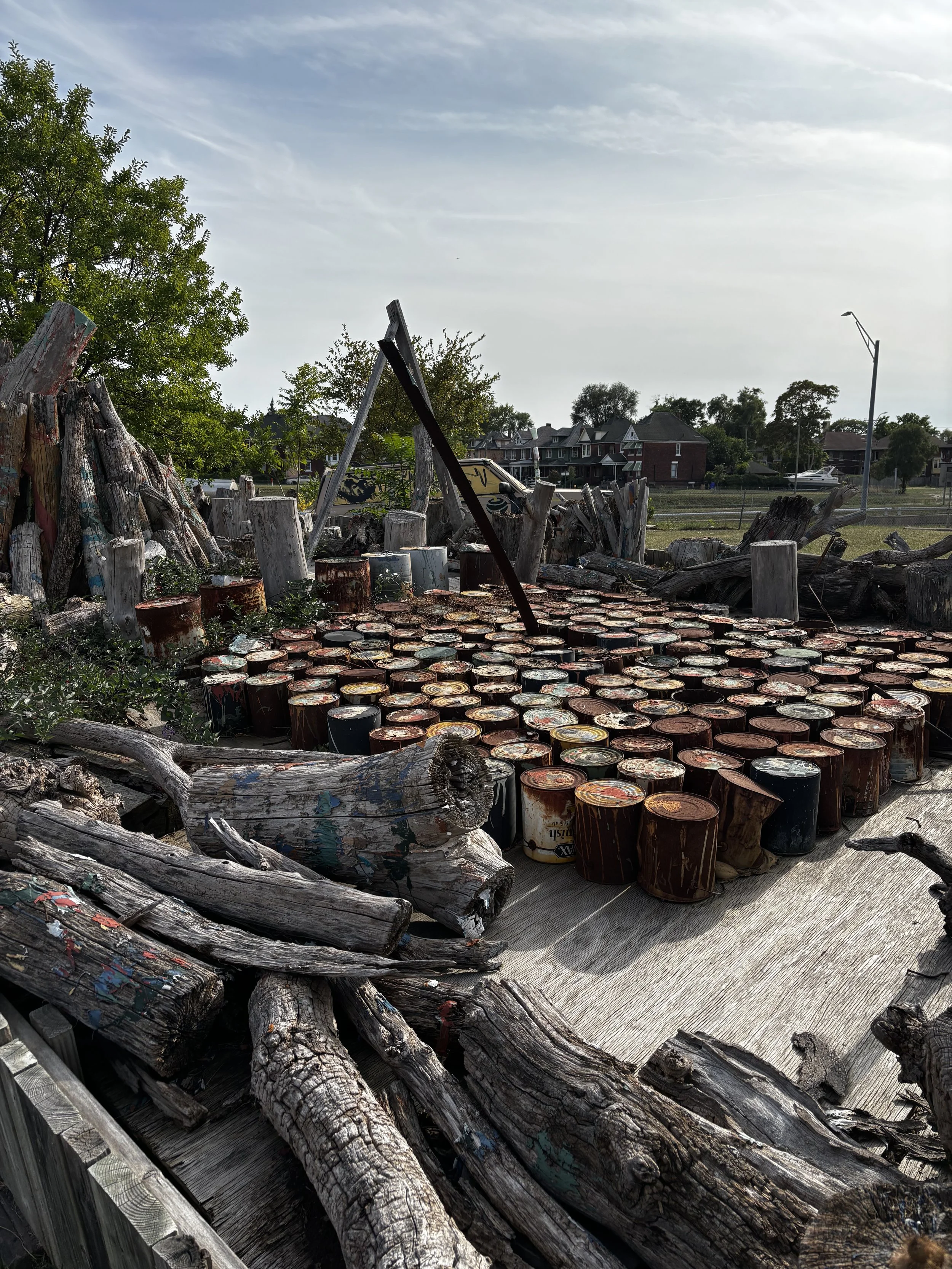
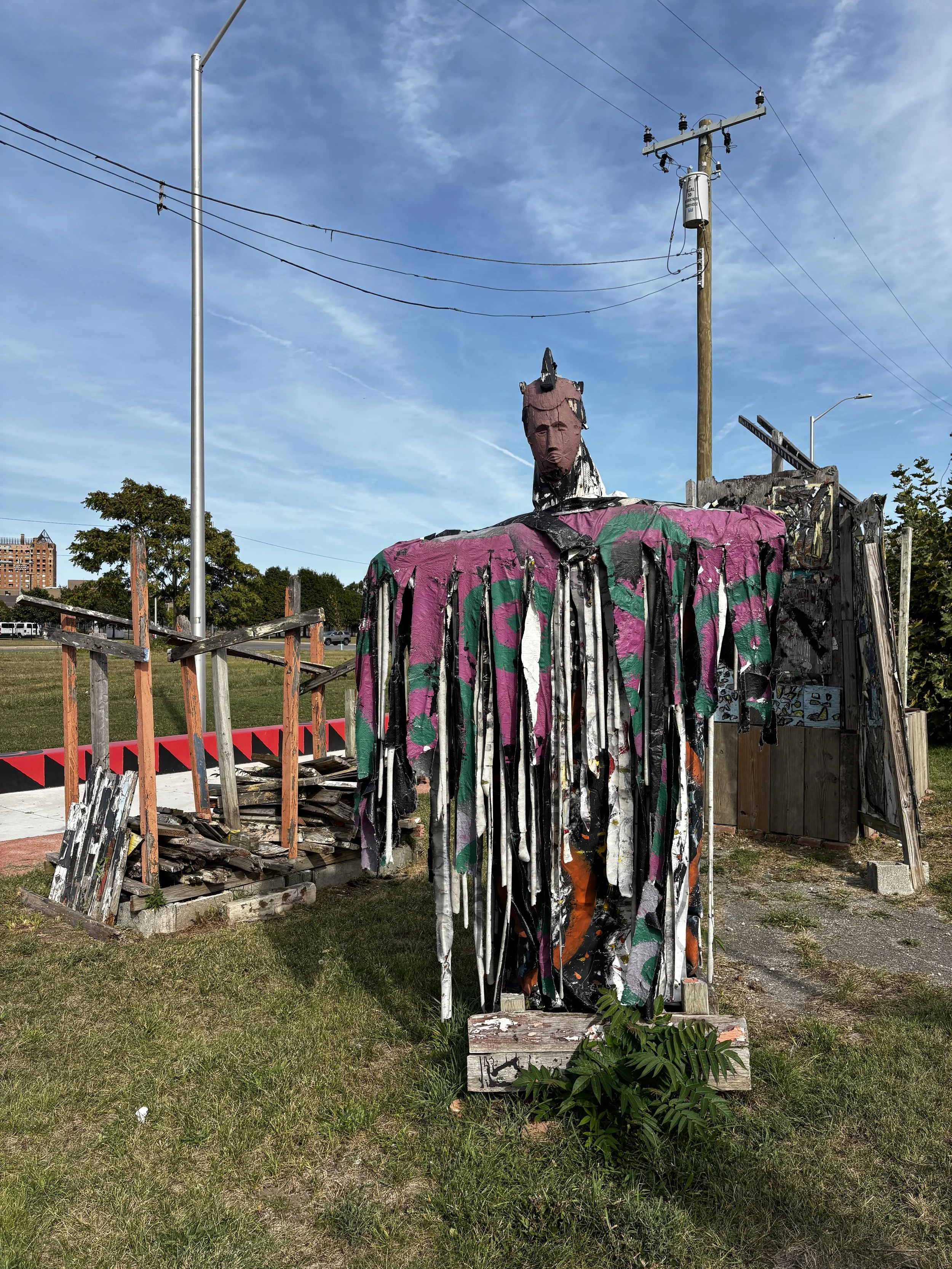
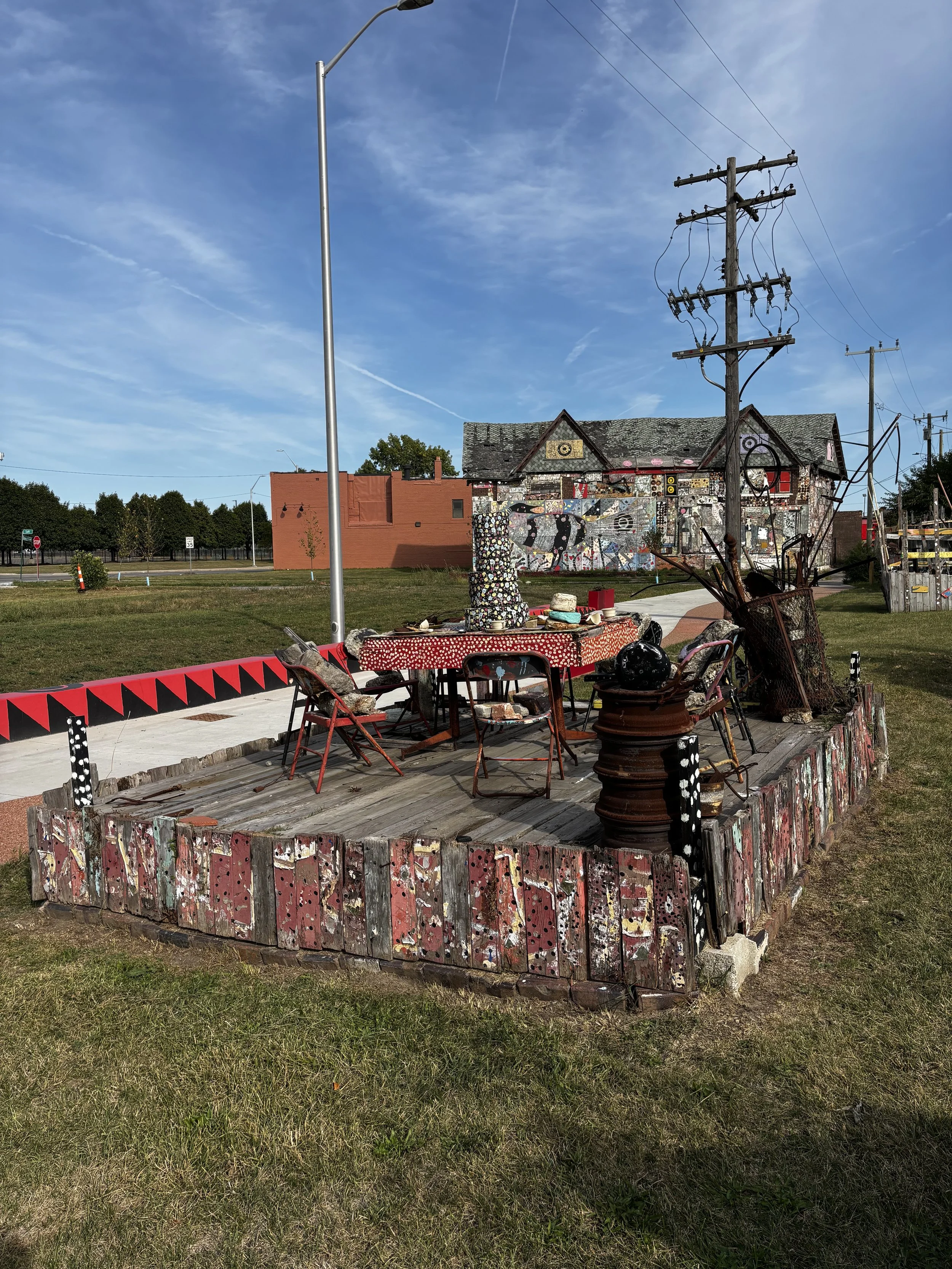
Iron, rock, wood, and mirrors are central to his artistic practice. In Dabls’ work, these materials are more than physical objects — they become carriers of history, meaning, spirit, and memory. His large-scale installations transform ordinary and discarded materials into environments that invite reflection on relationships between people, culture, land, and the past.
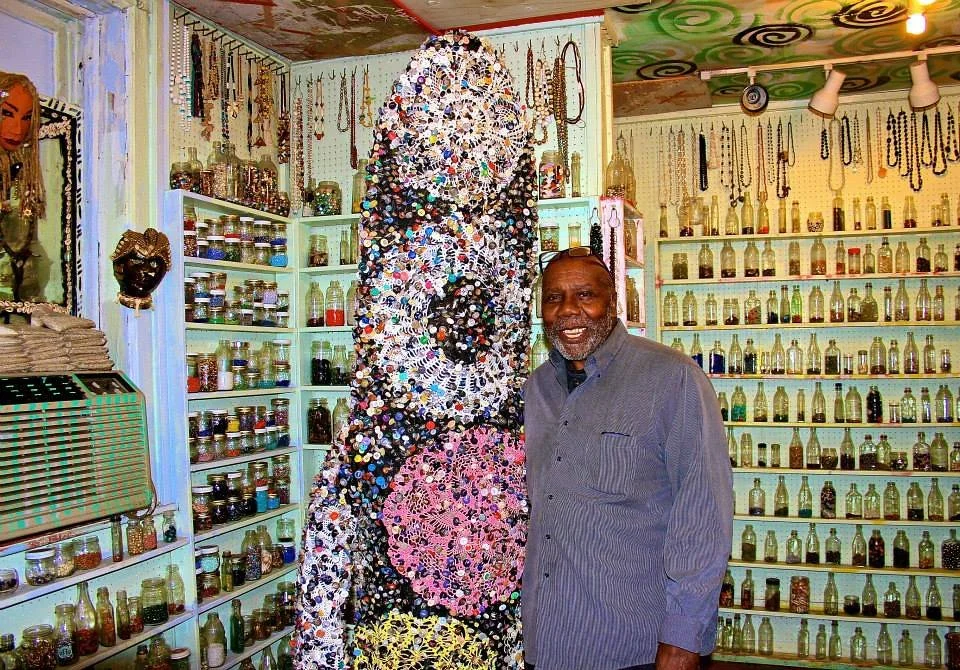
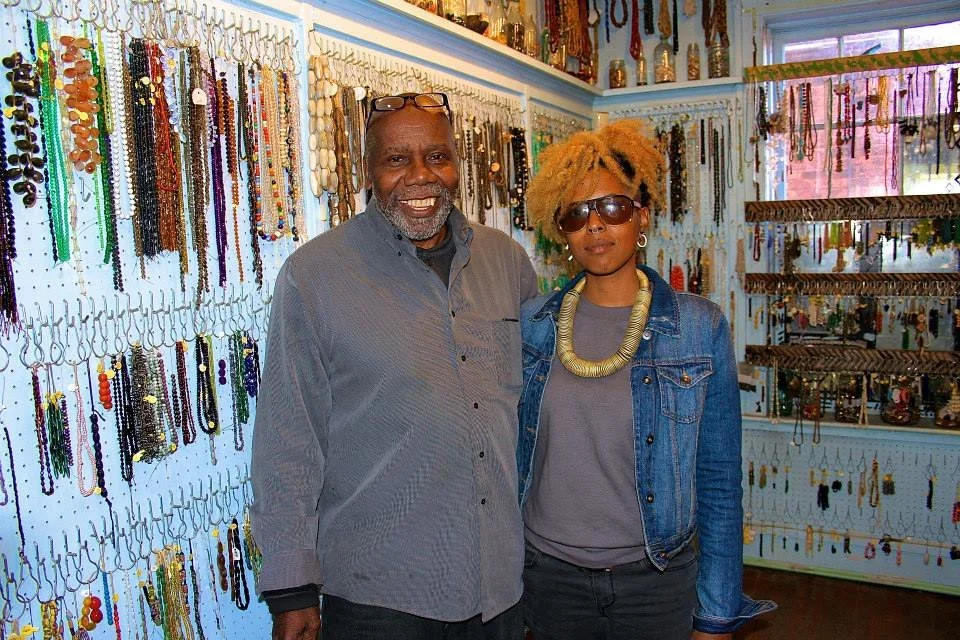
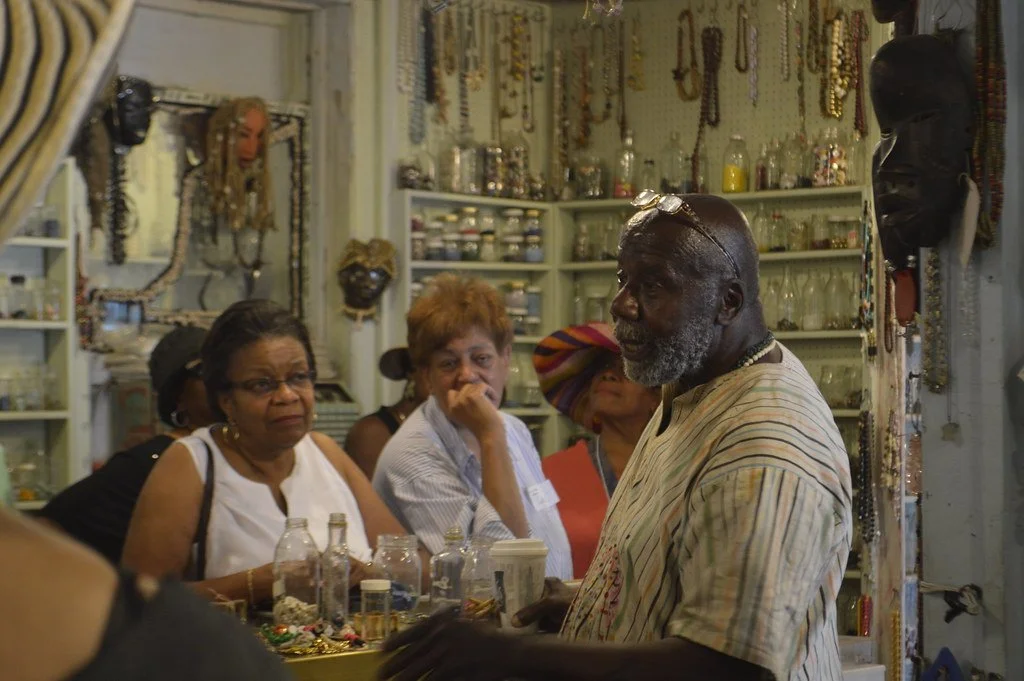
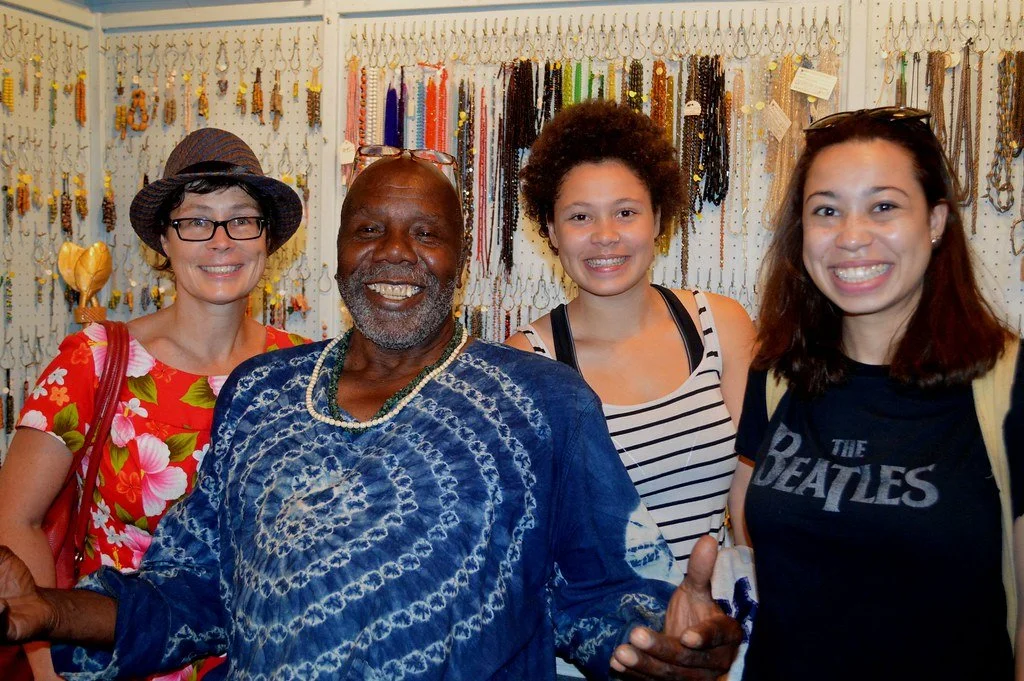
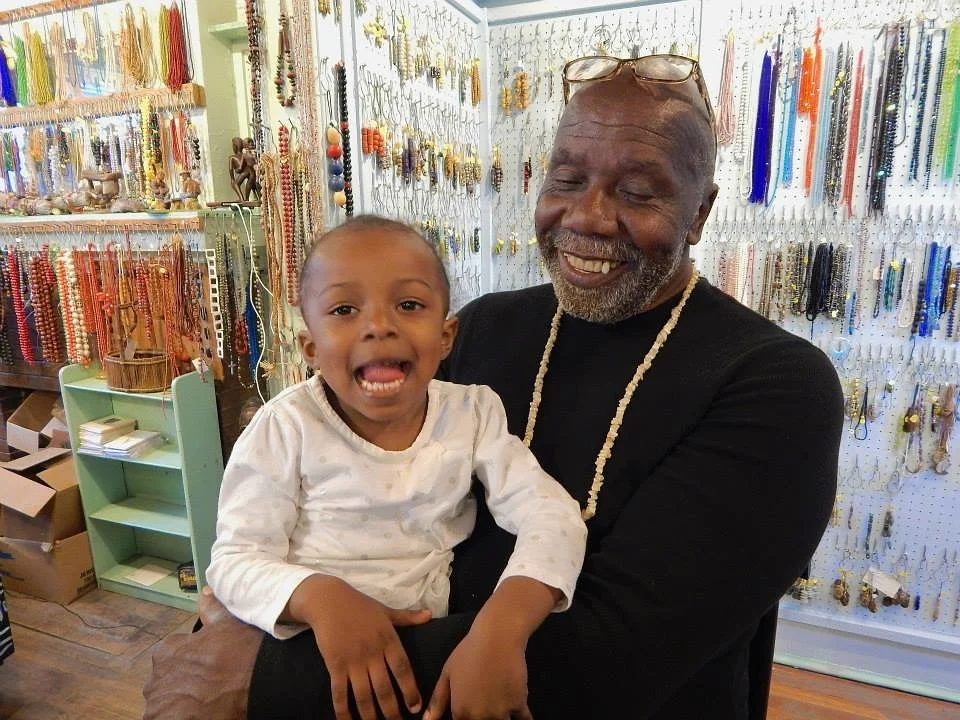
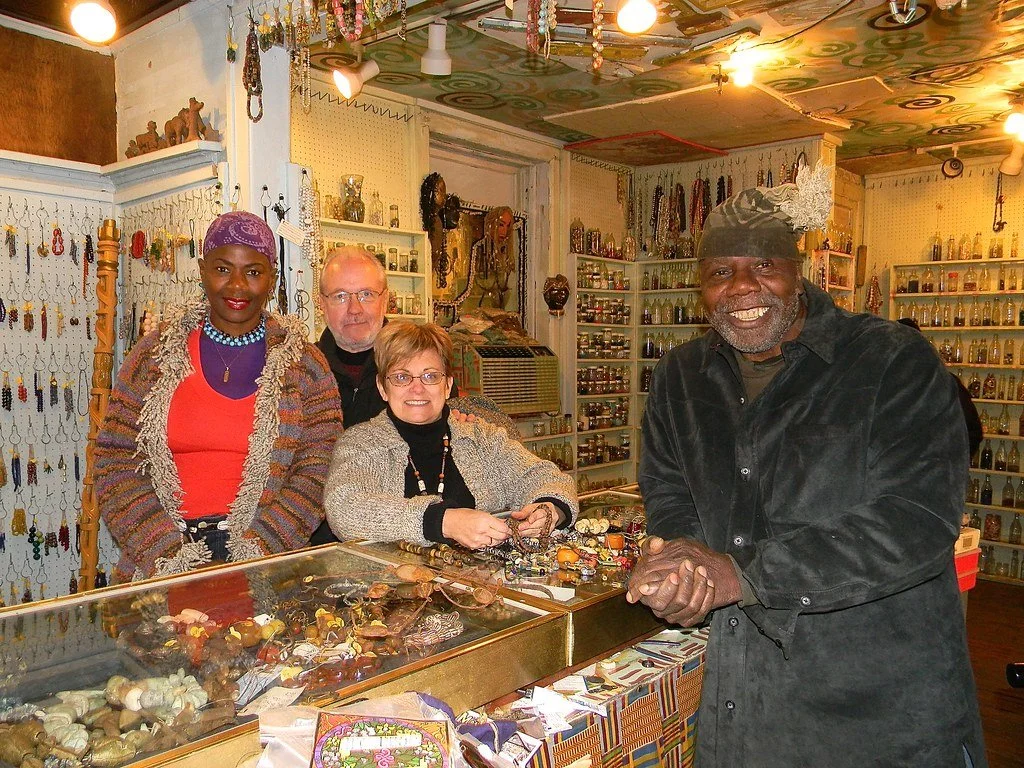
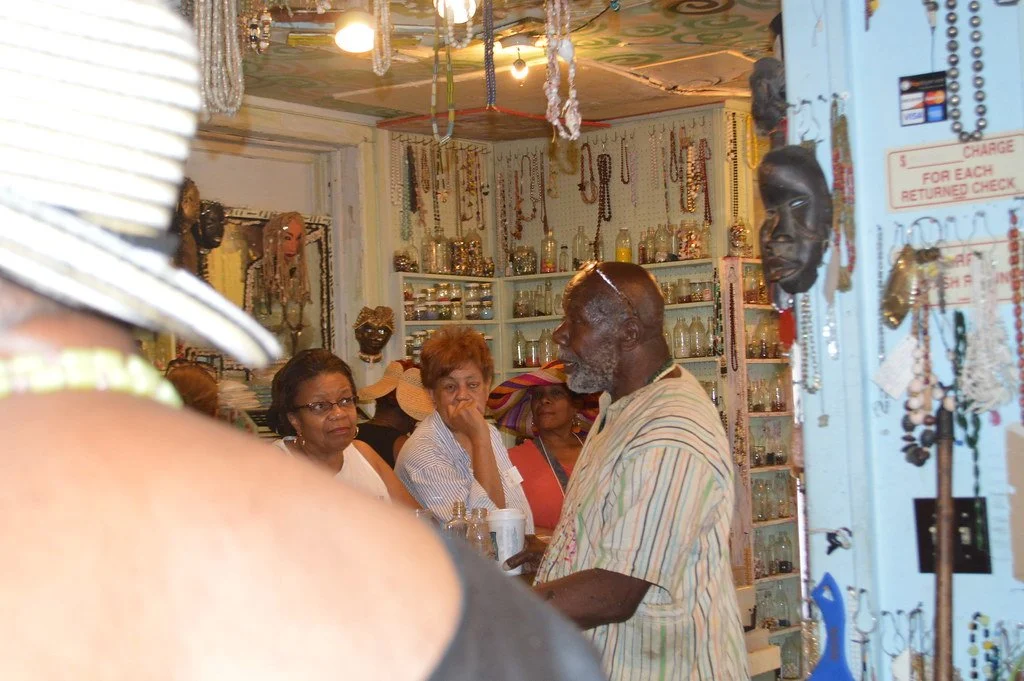
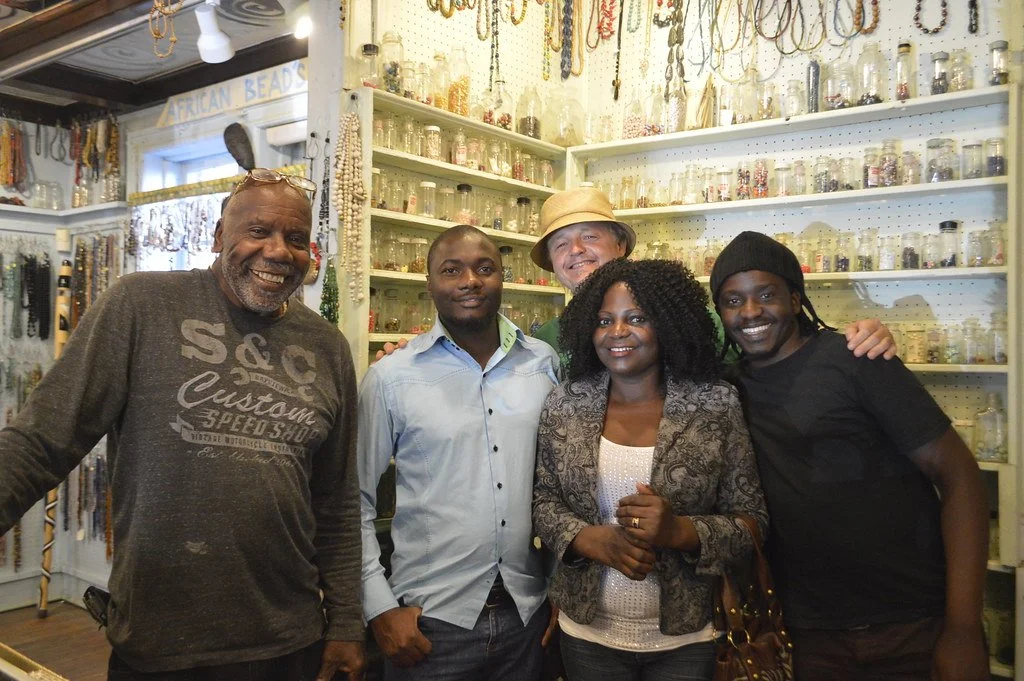
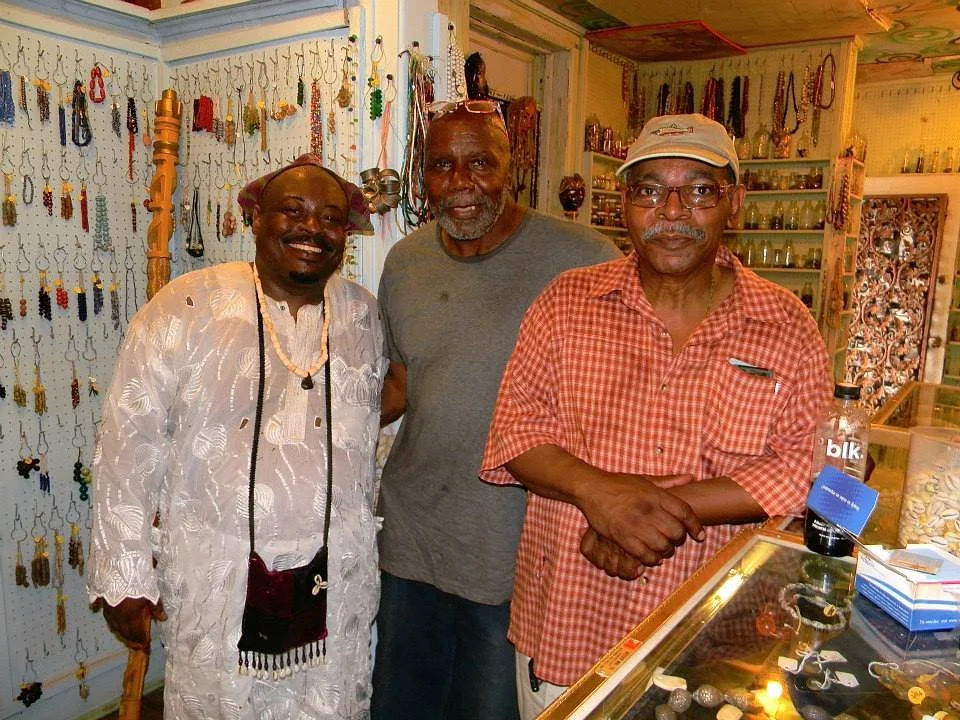
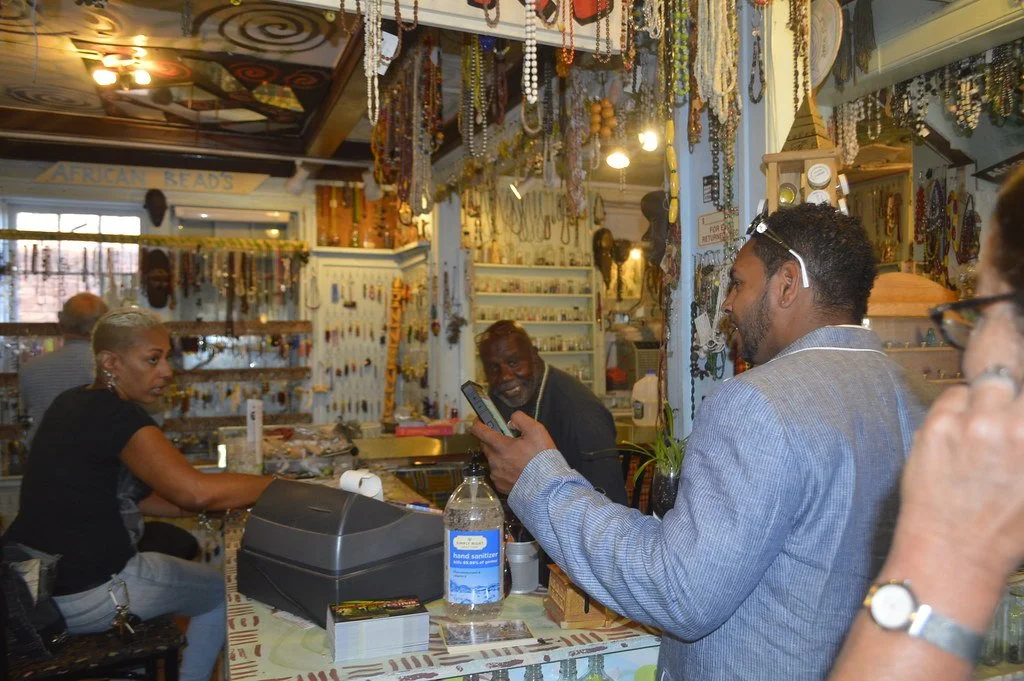
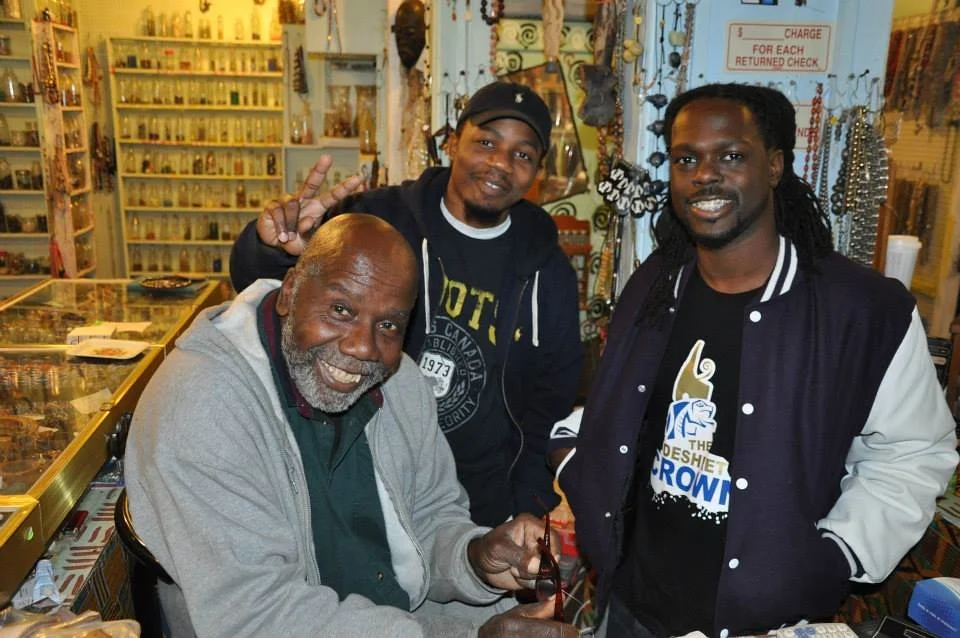
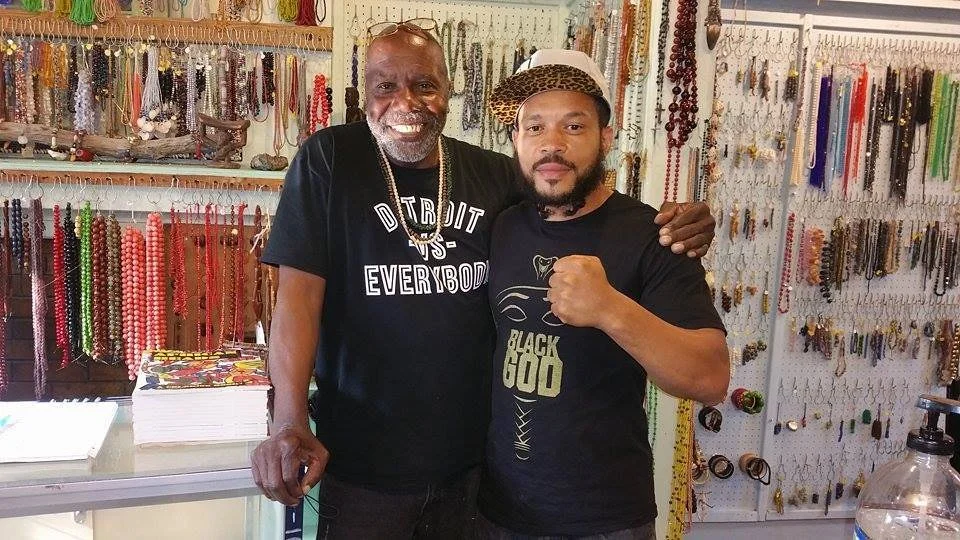
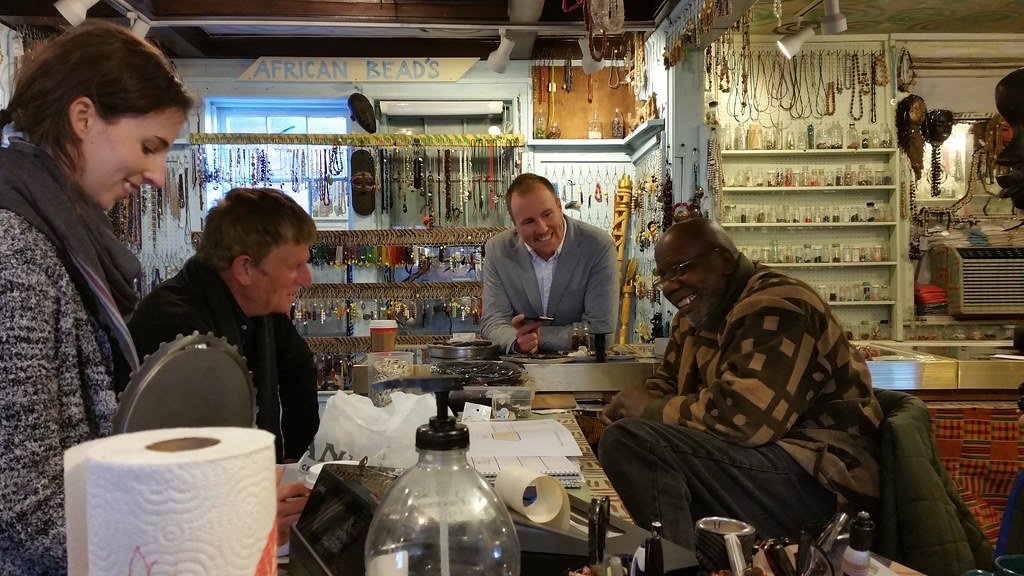
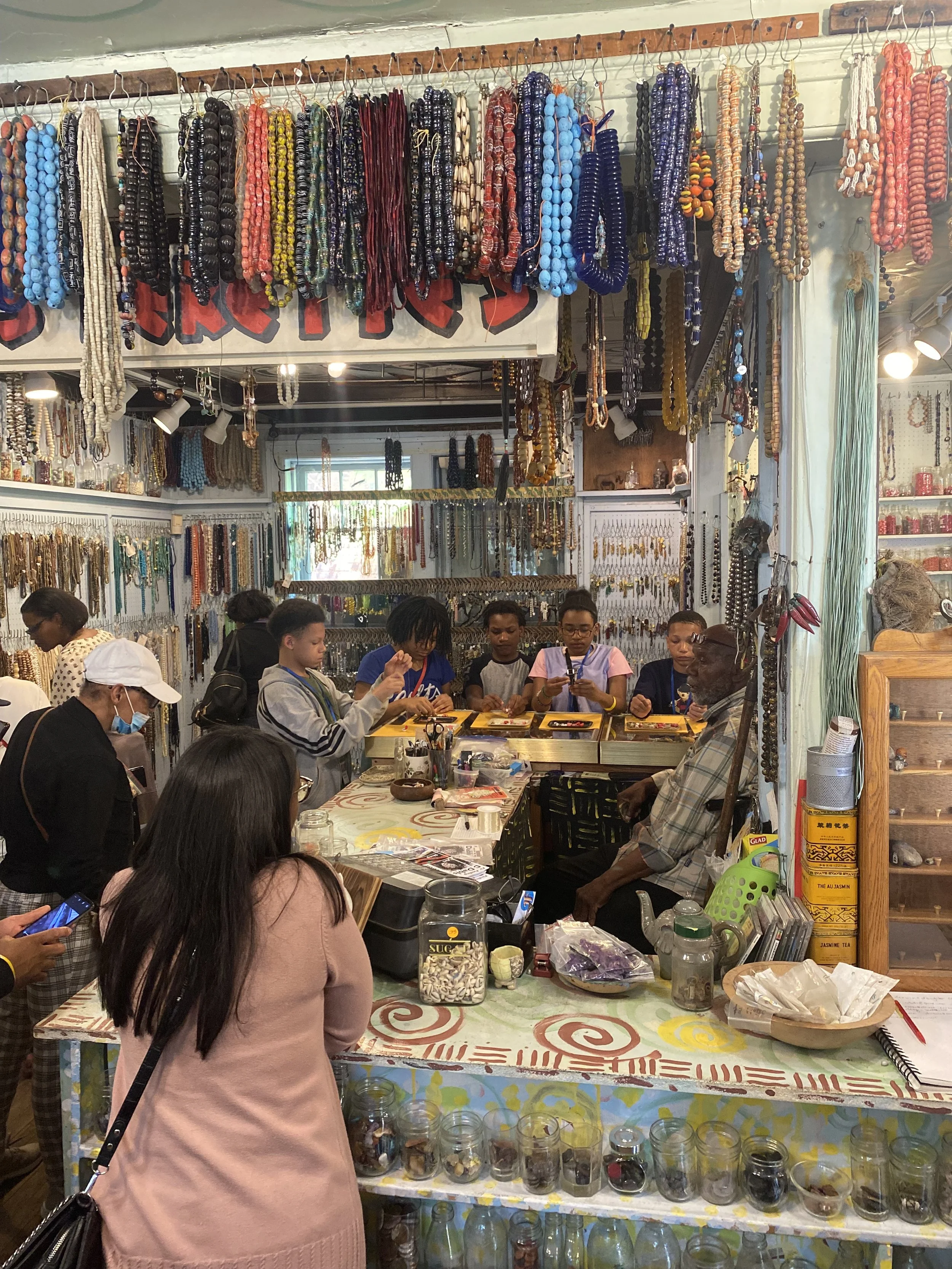
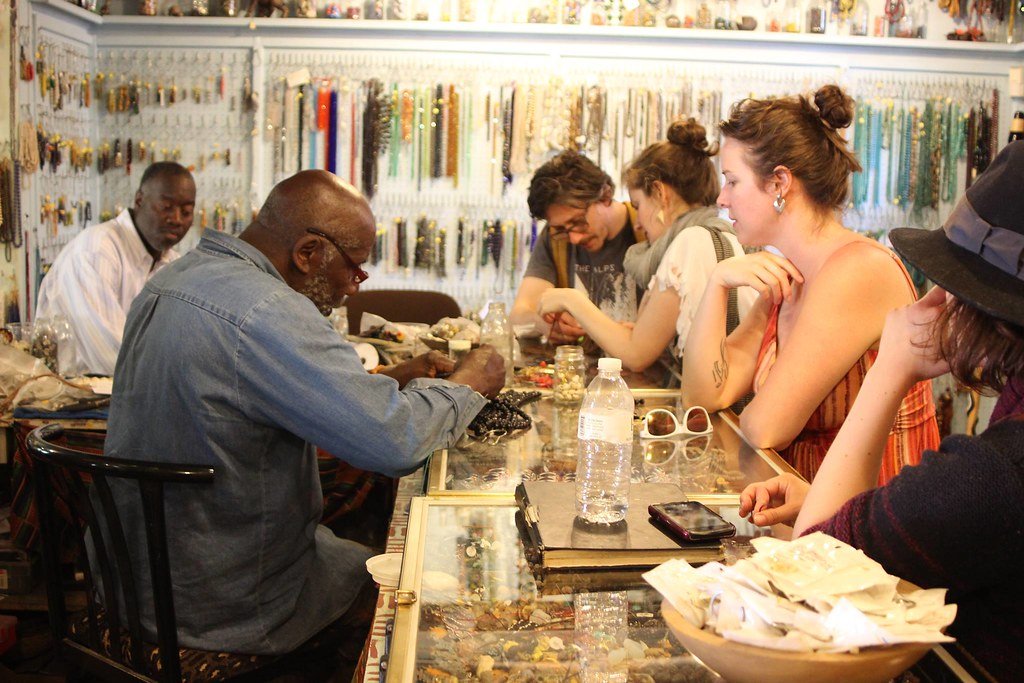
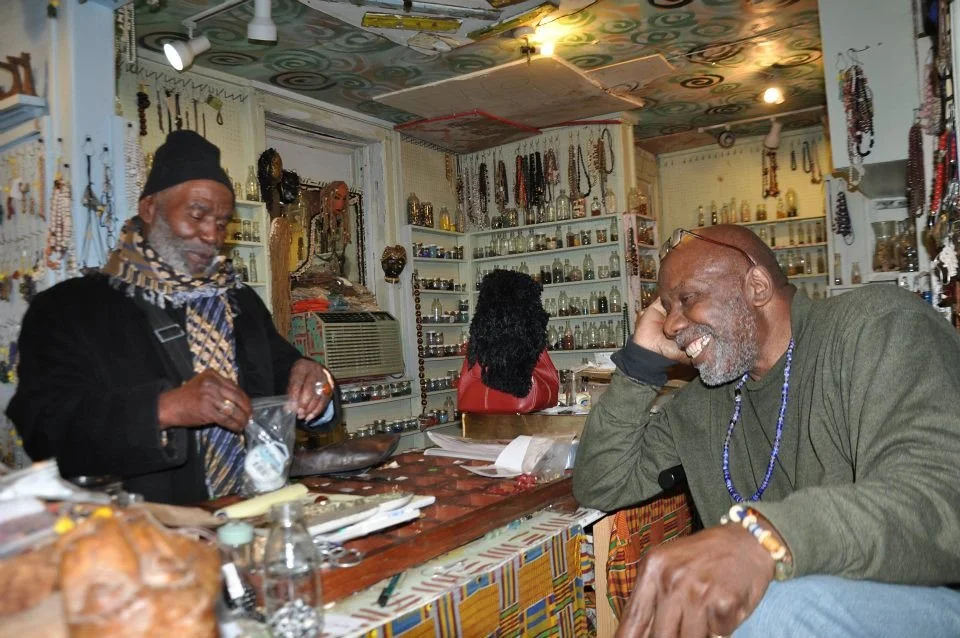
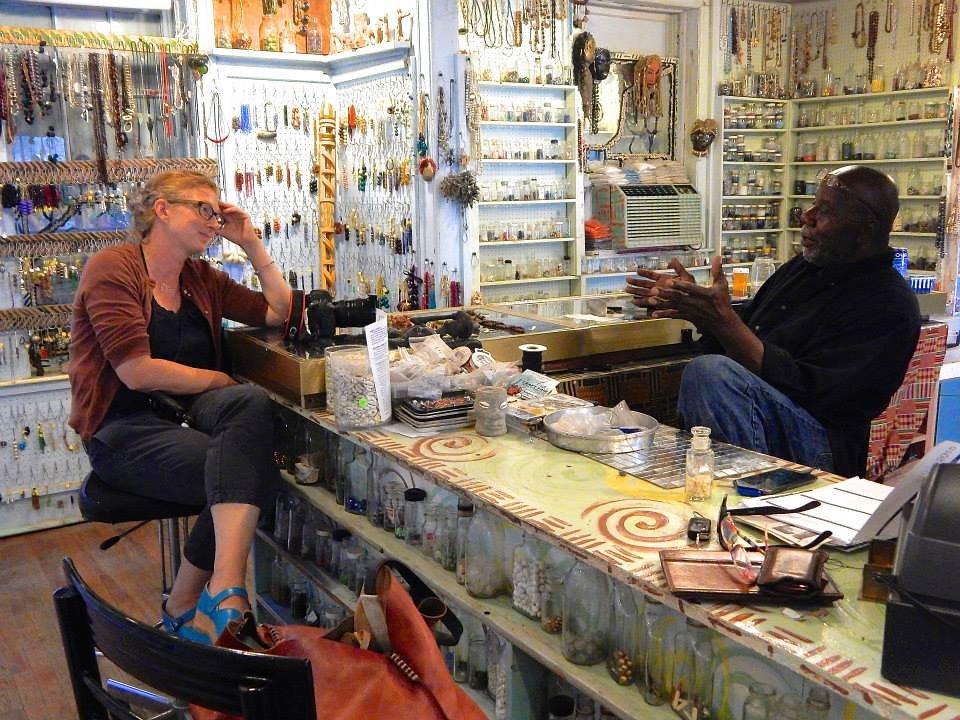
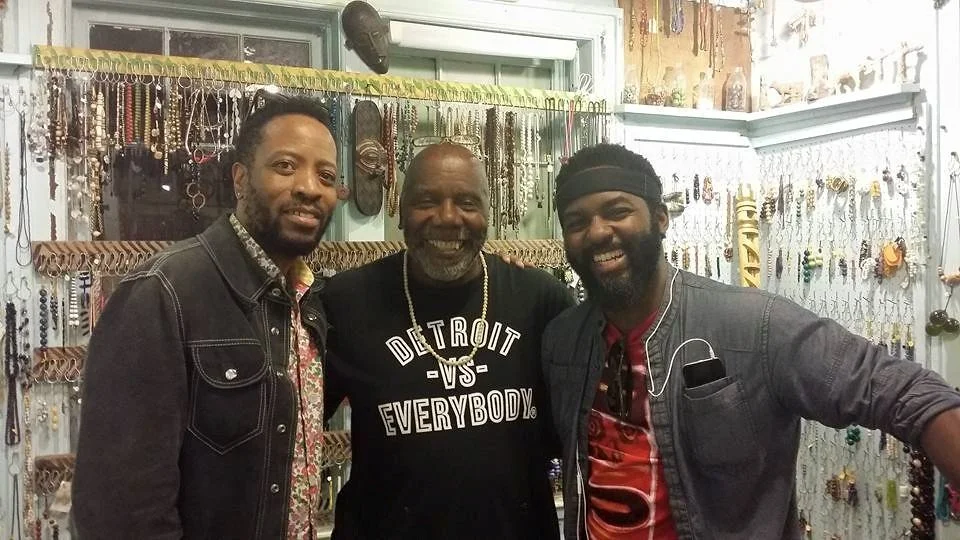
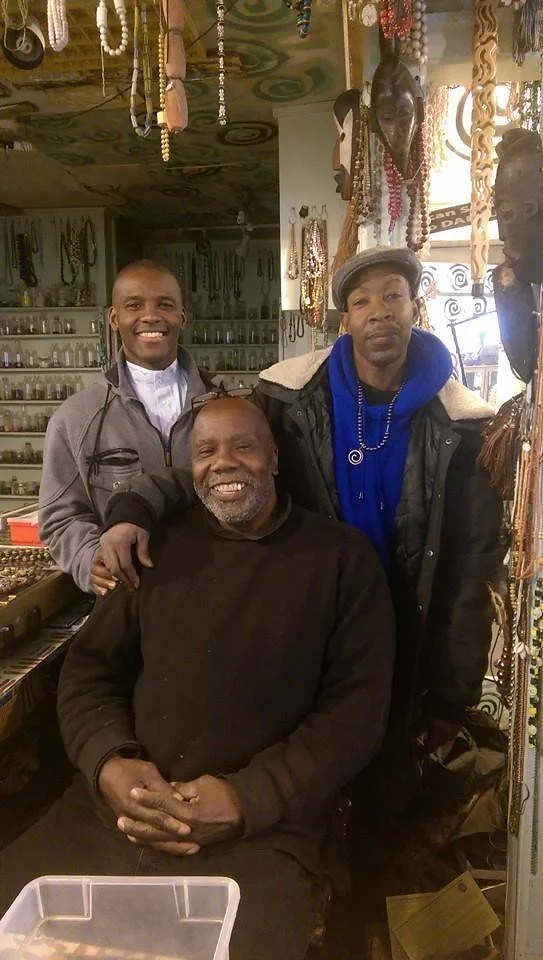
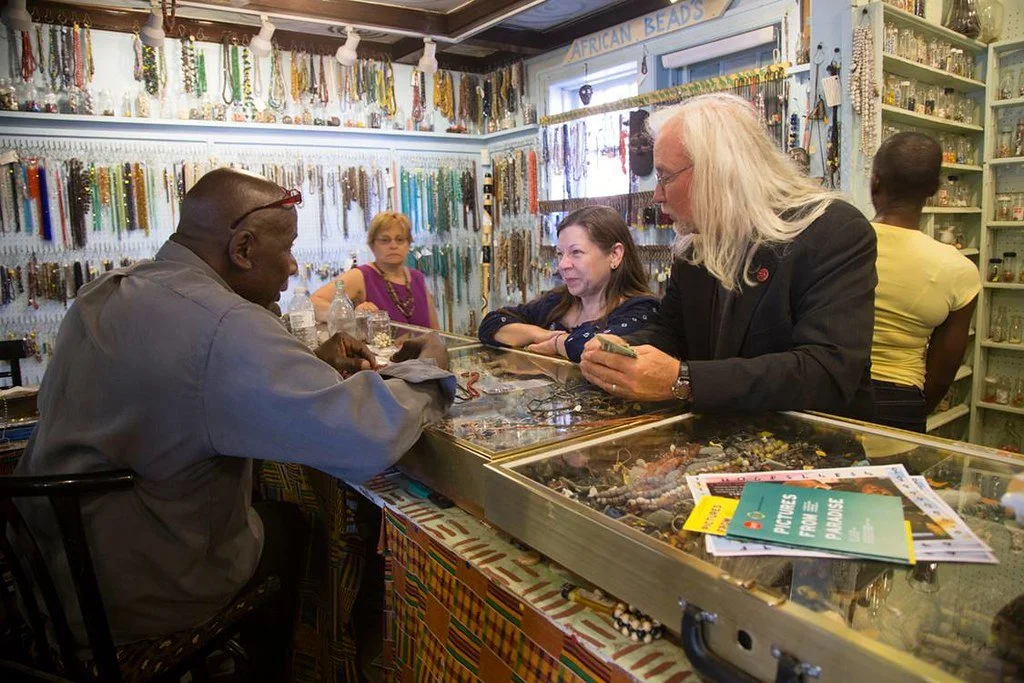
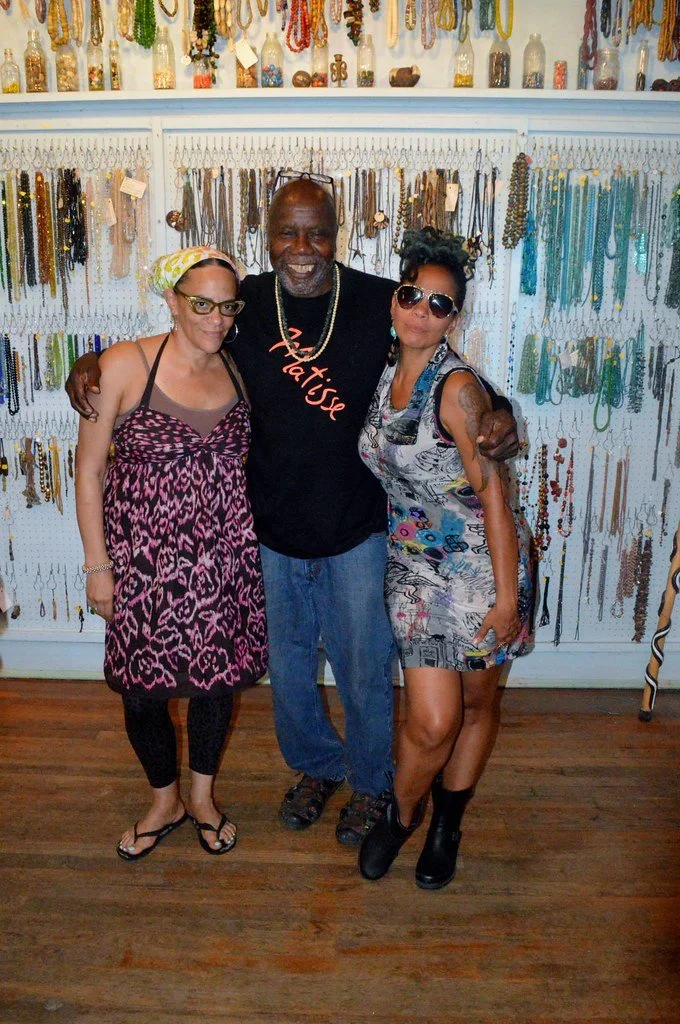
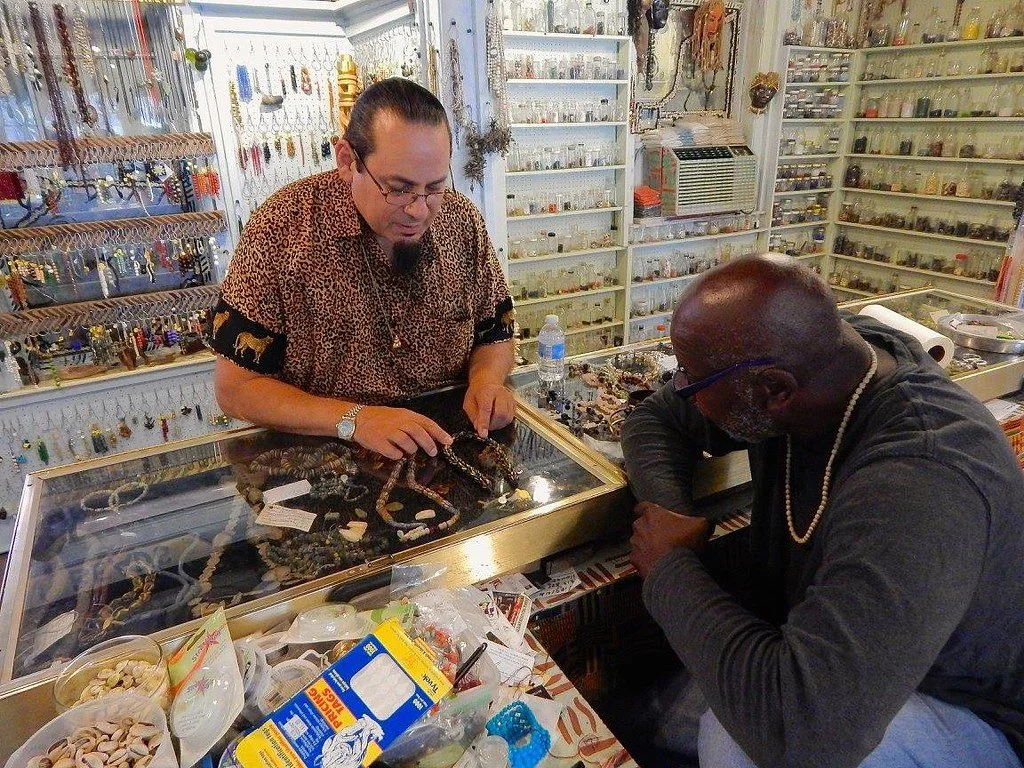
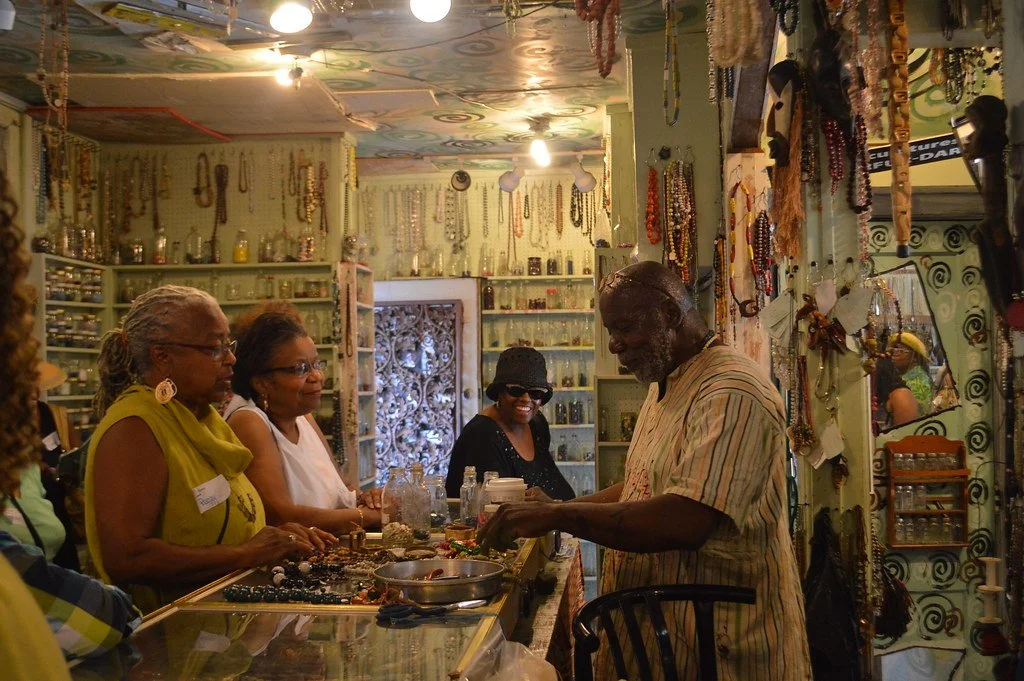
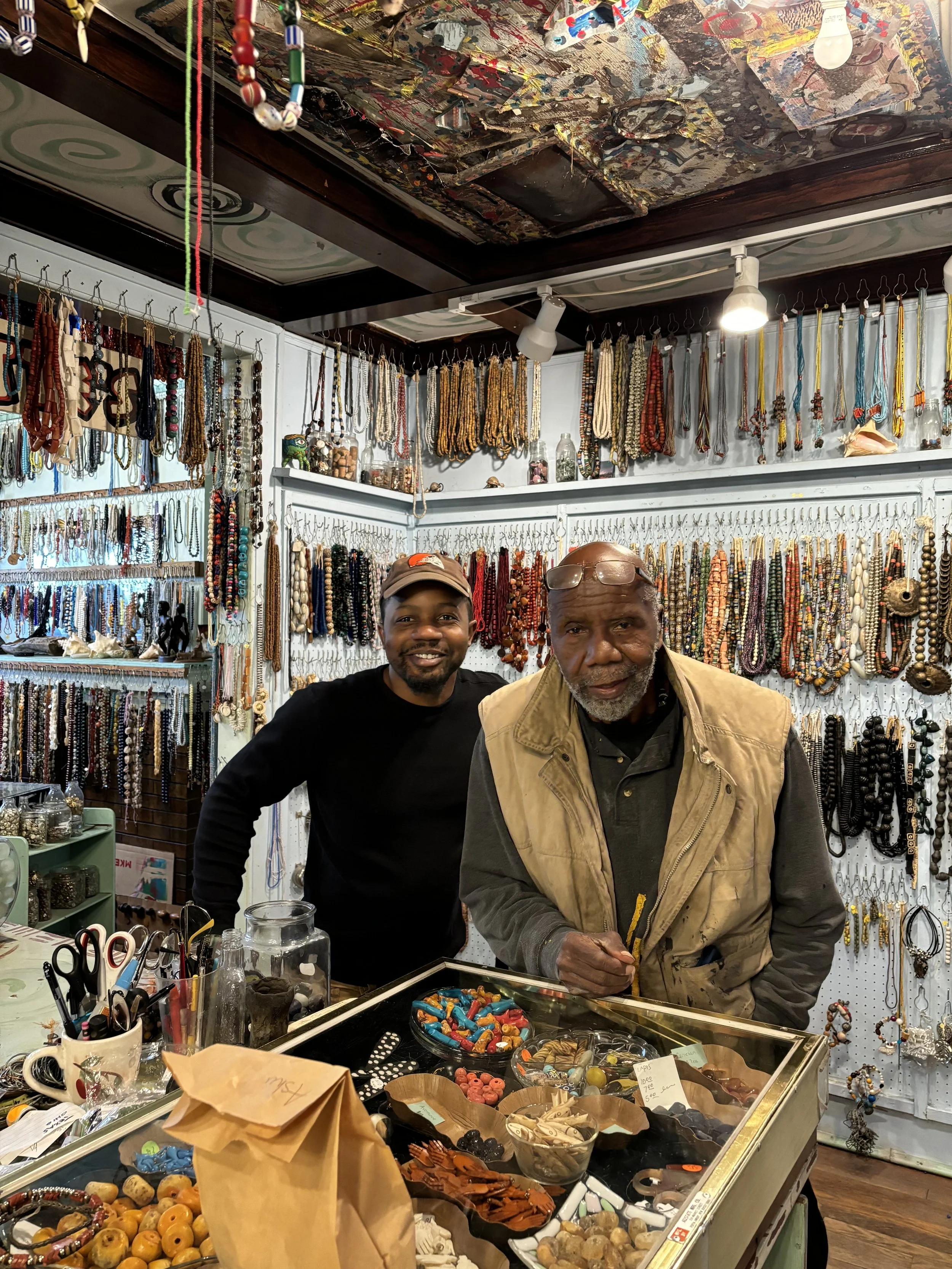
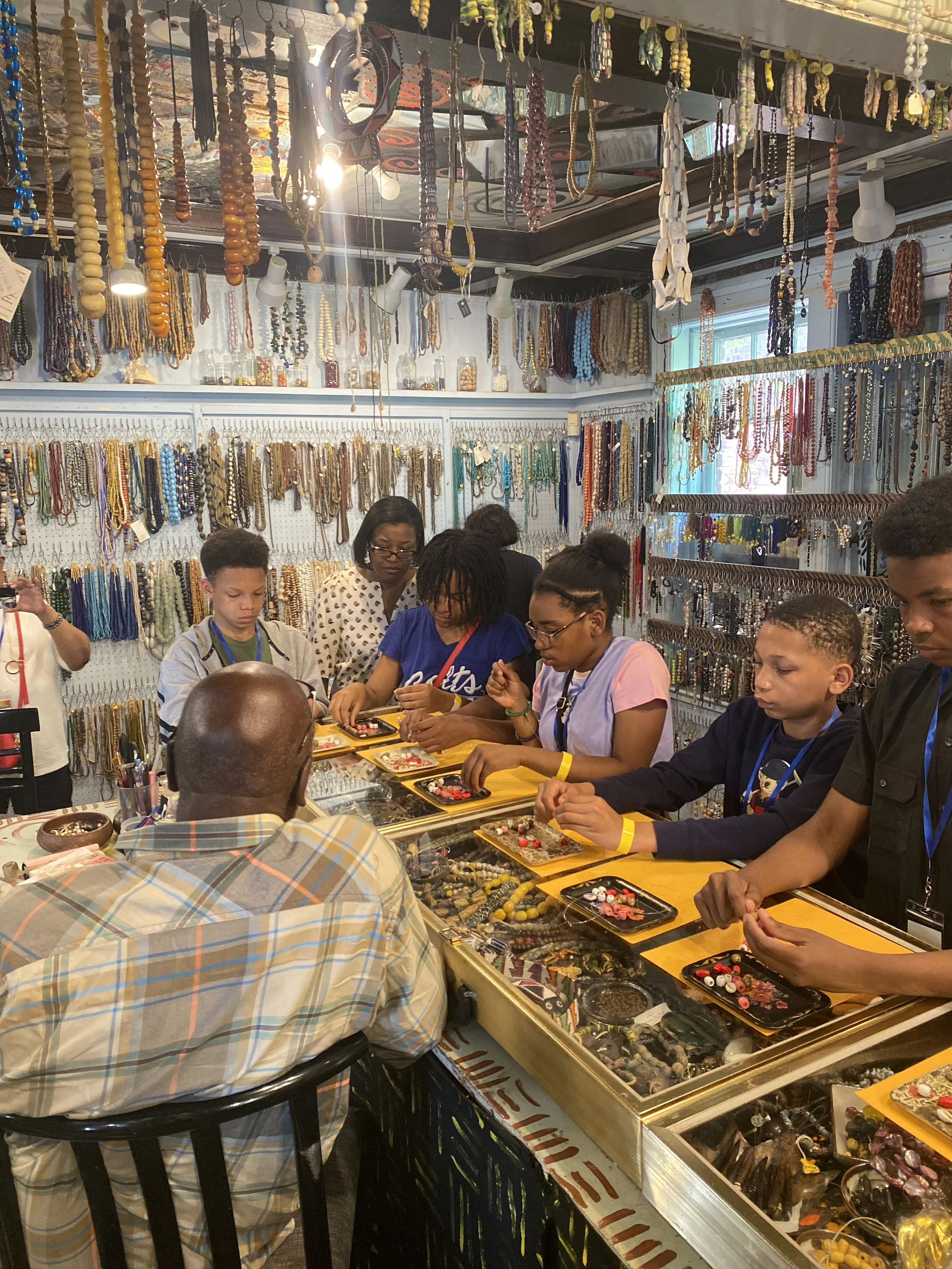
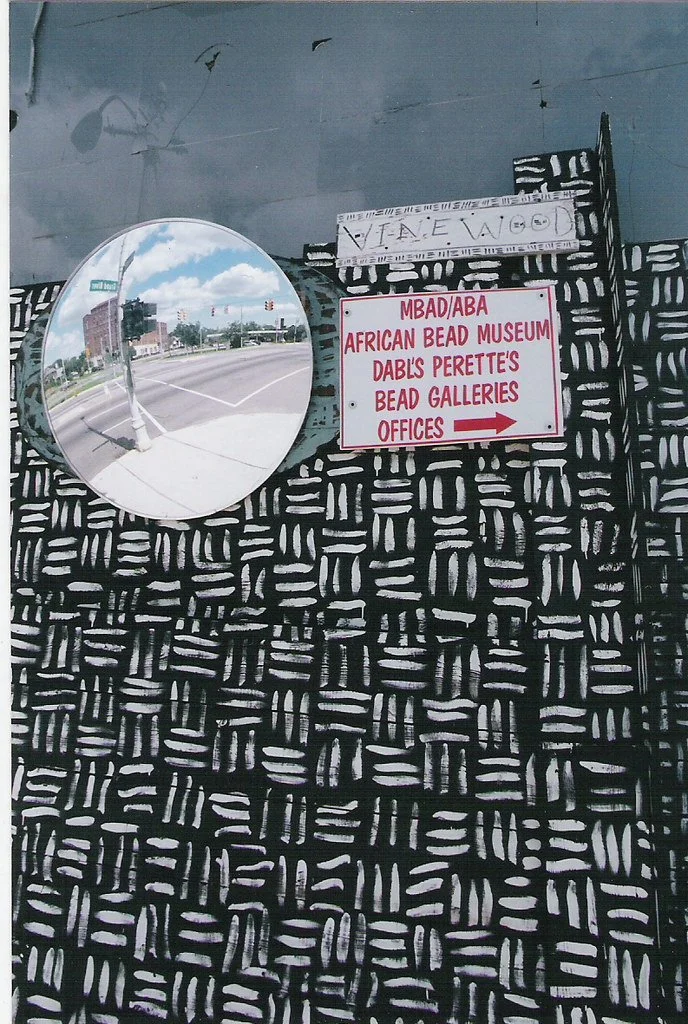
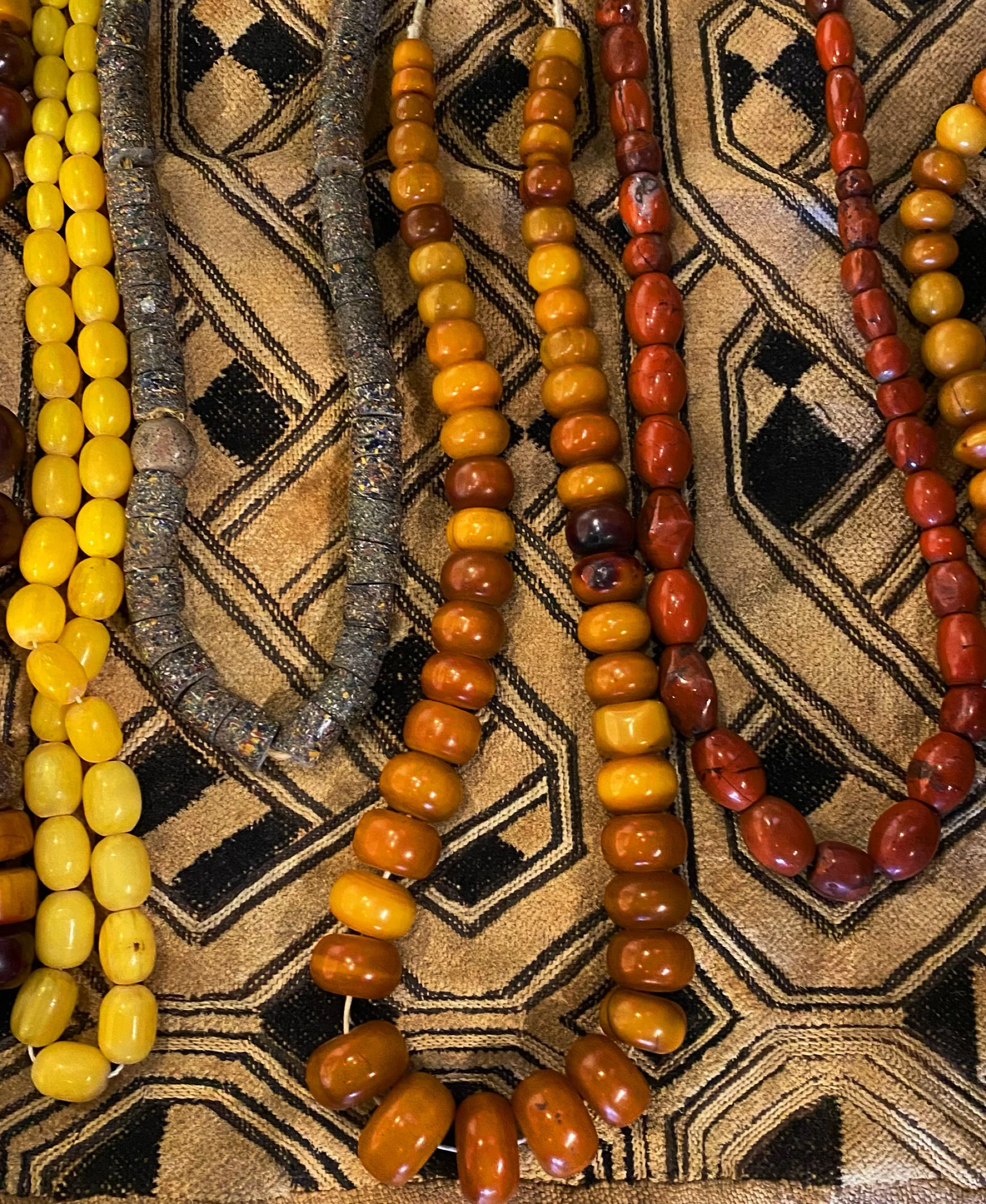
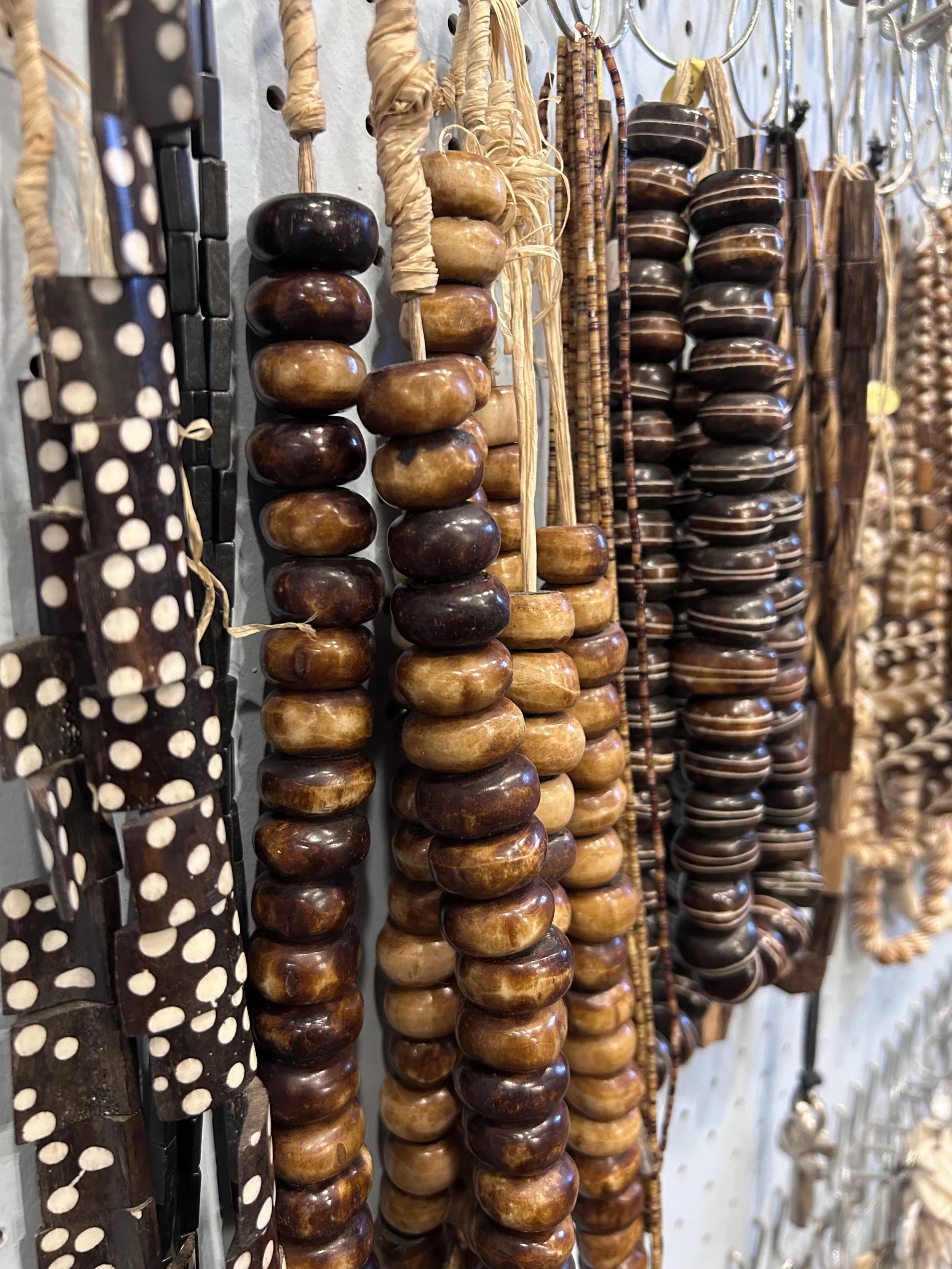
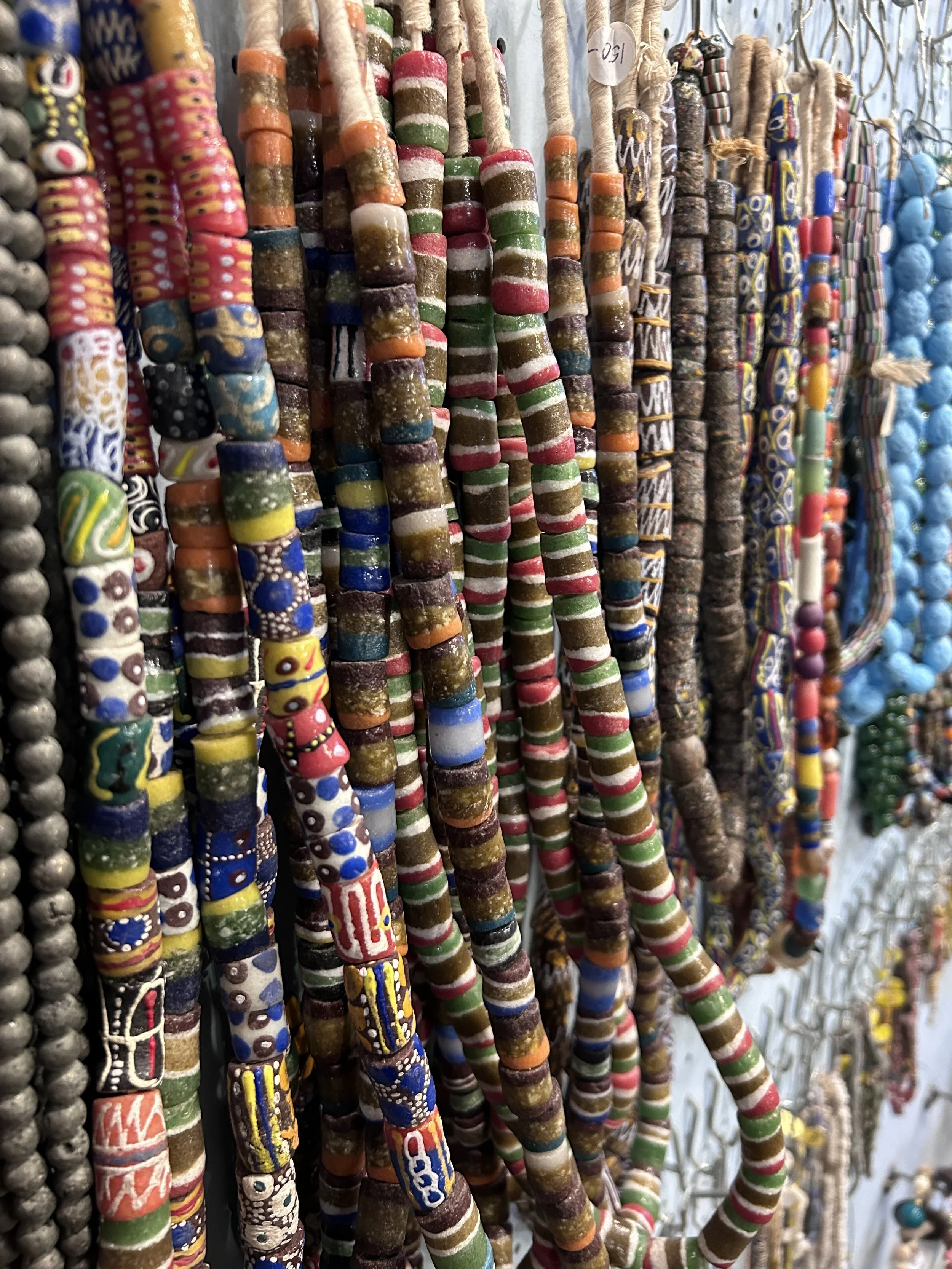
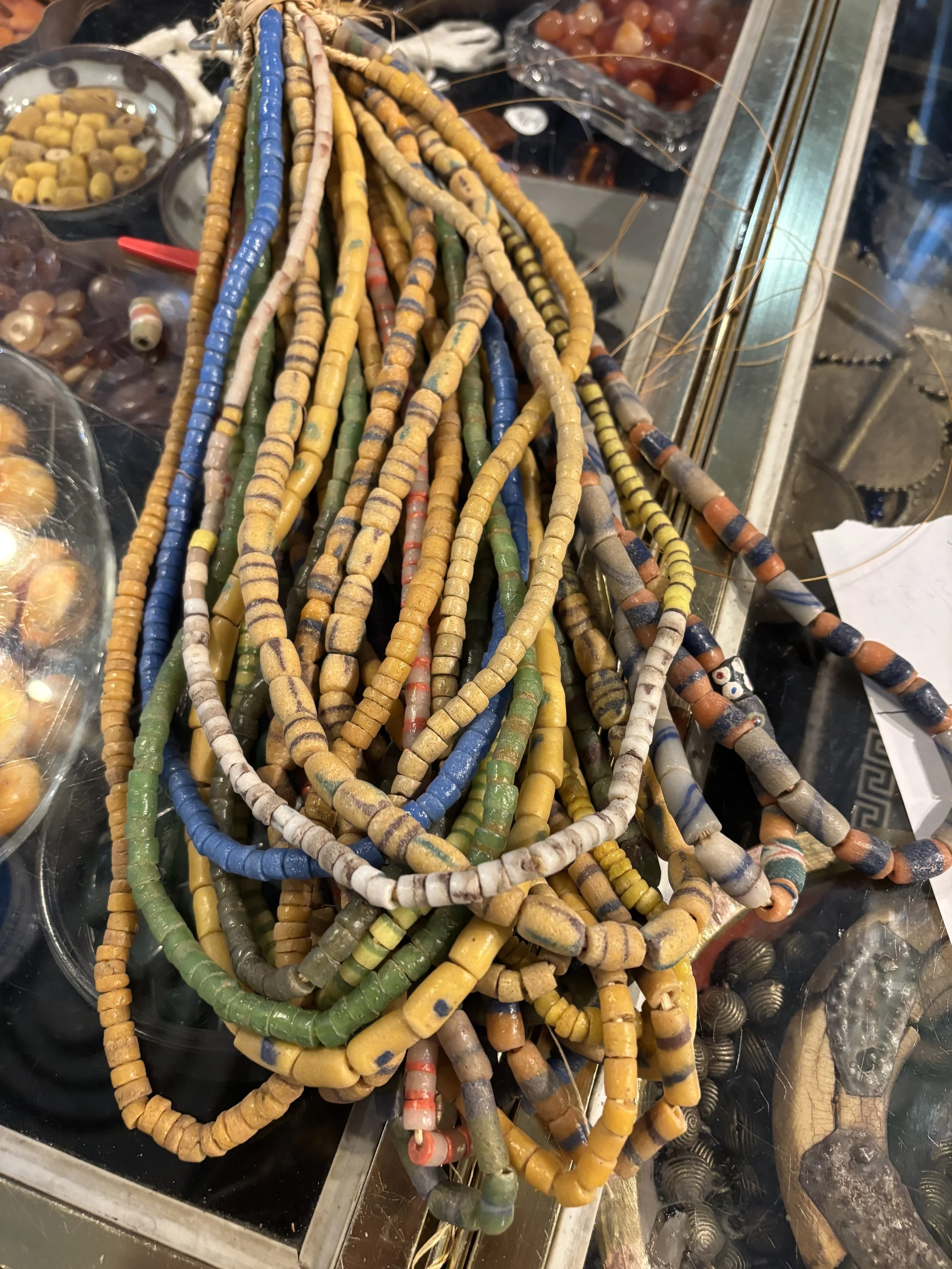
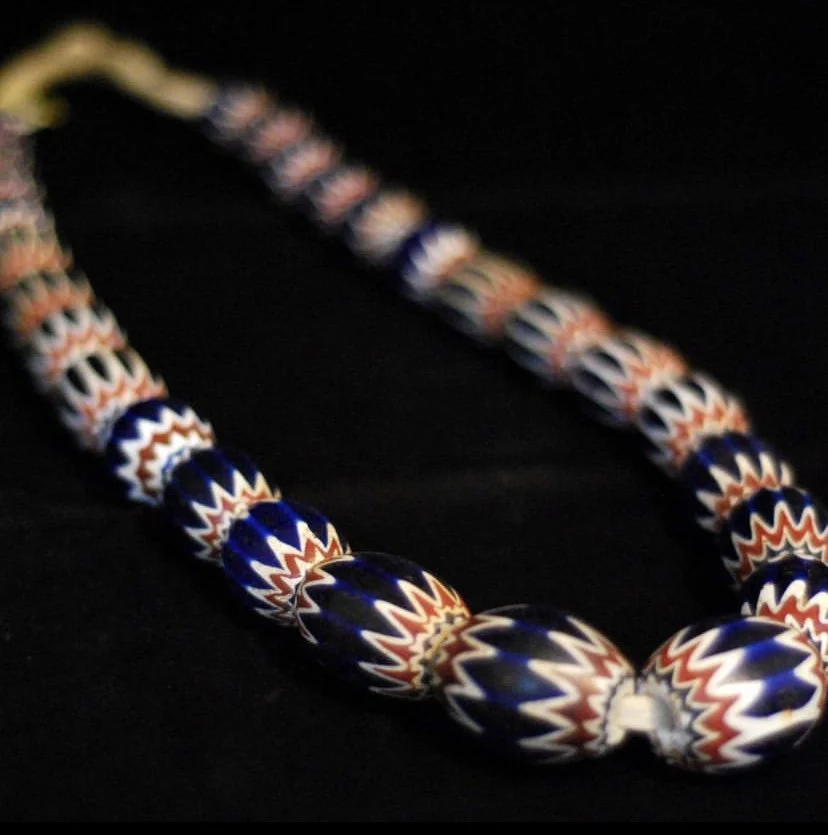
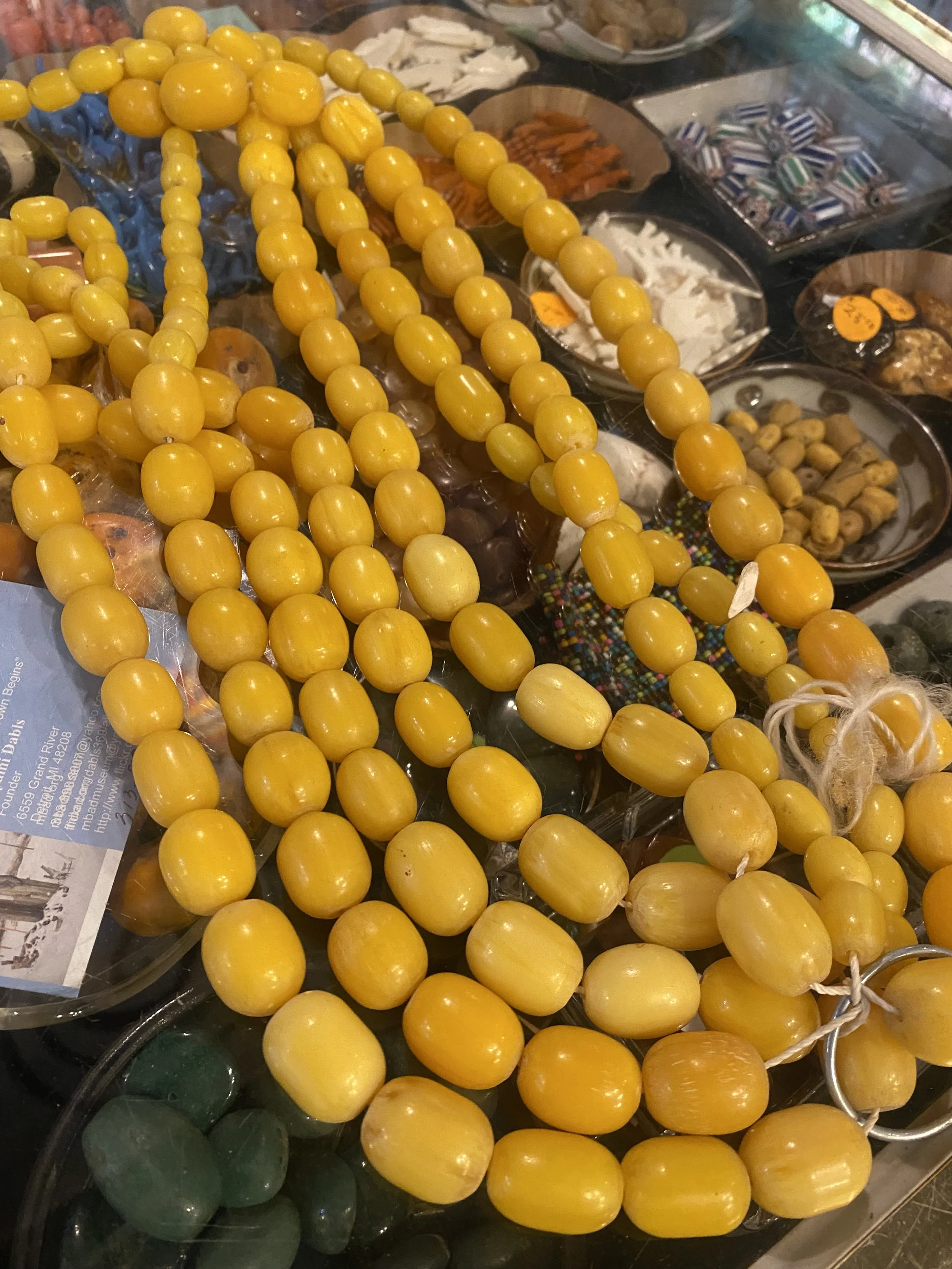
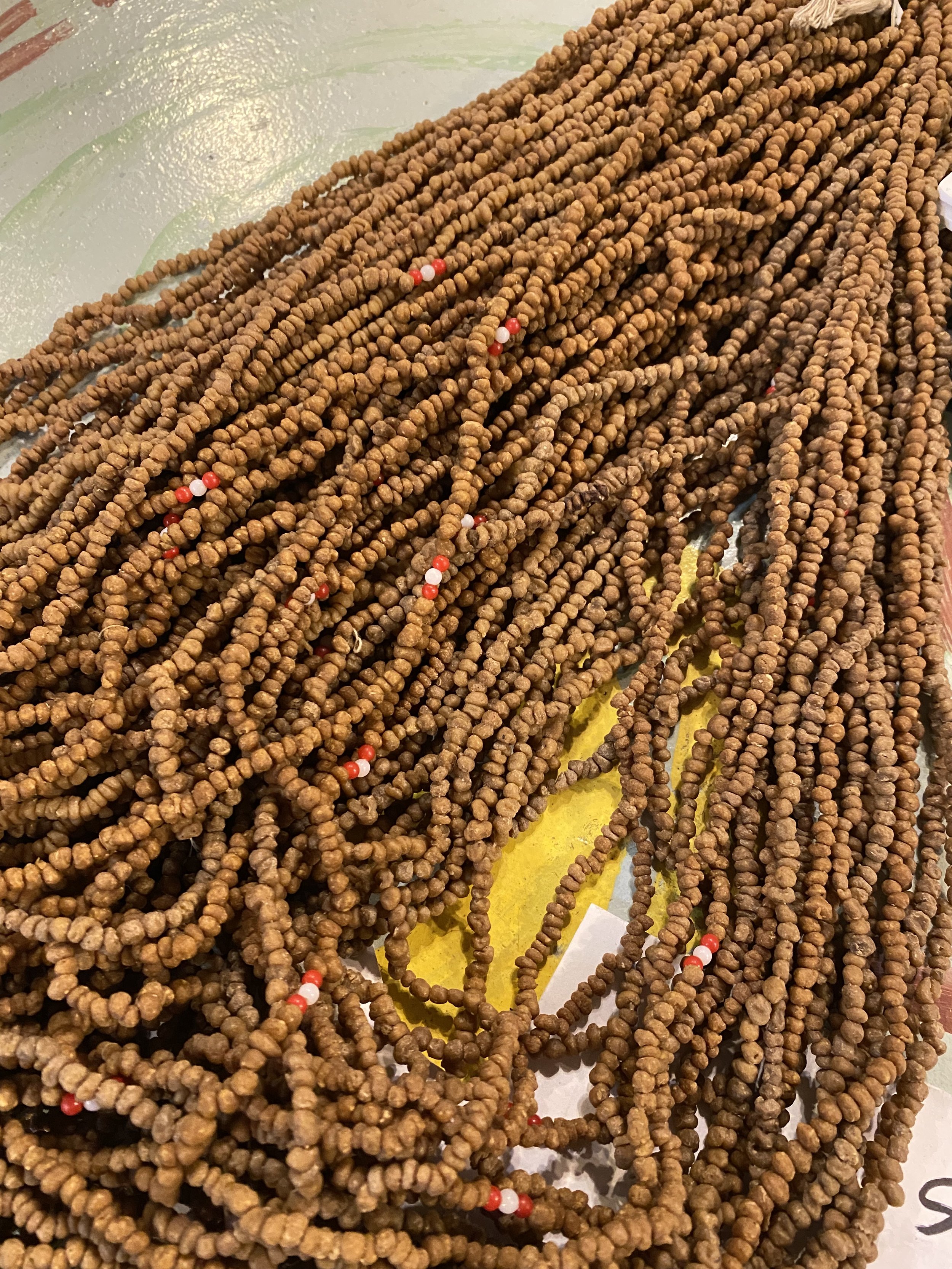
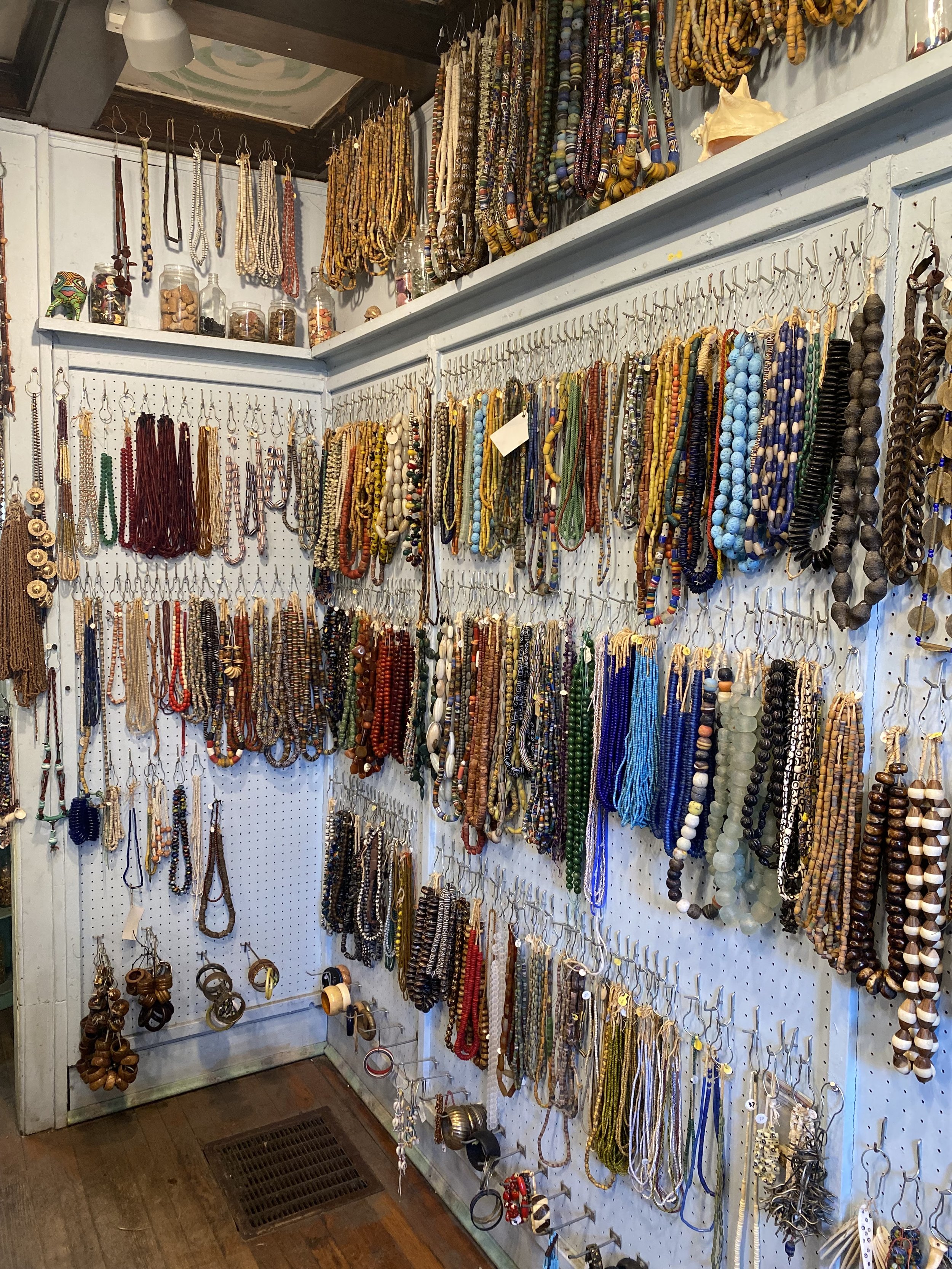
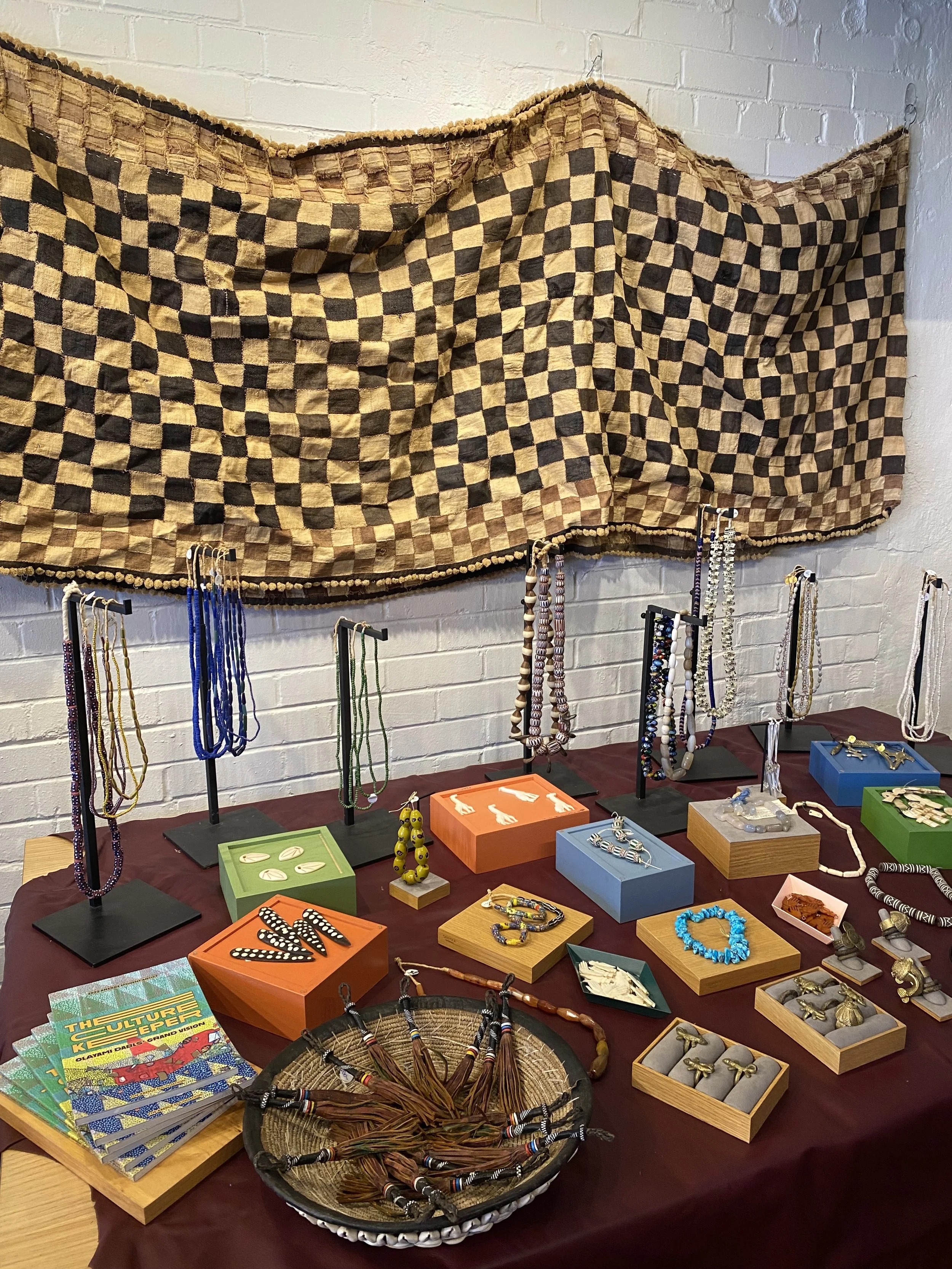
Beads have been equally central to Dabls’ life and work. His decades-long study and collection of African beads became a way of understanding the movement of people, traditions, trade, language, and cultural knowledge across the African continent and throughout the diaspora. In 1994, this work led him to establish what would become the MBAD African Bead Museum in Detroit.
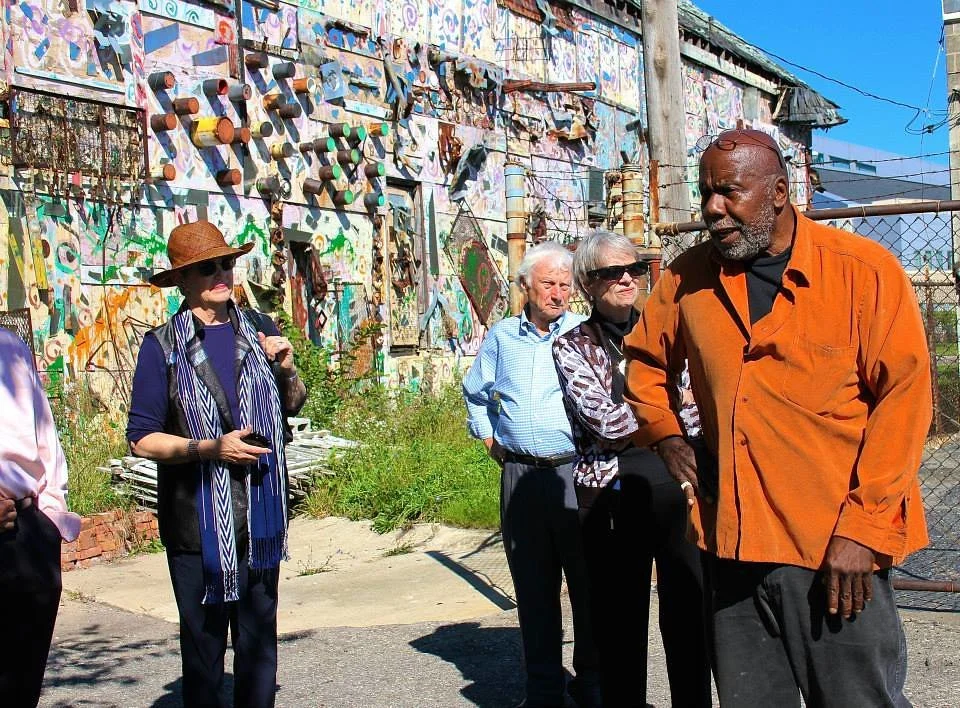
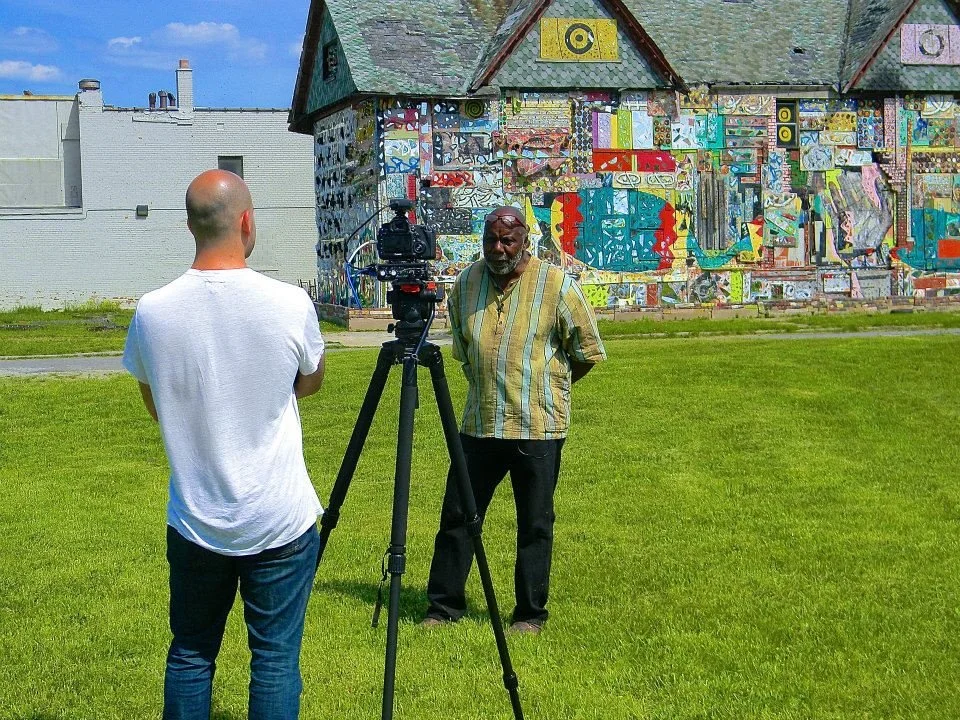
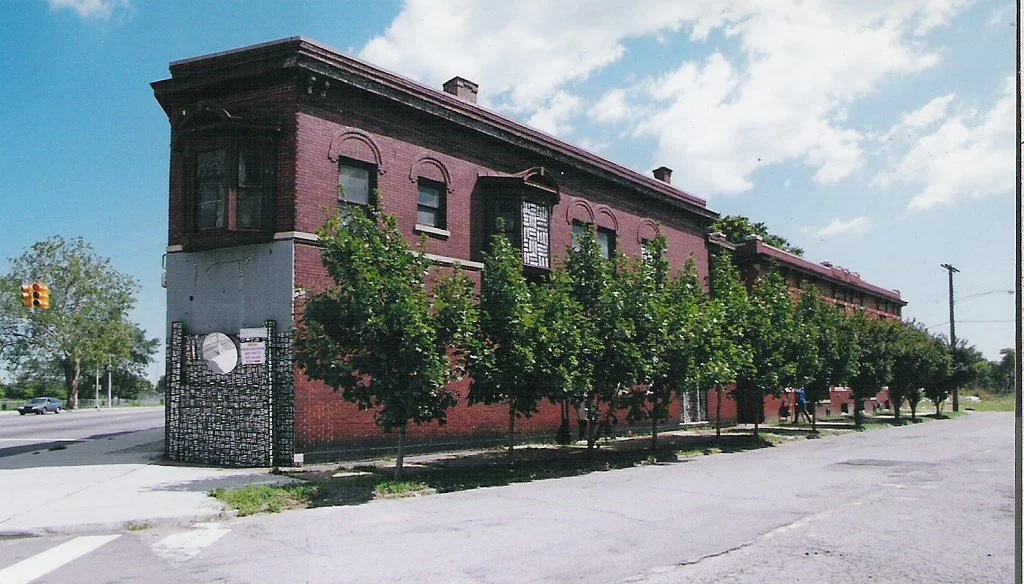
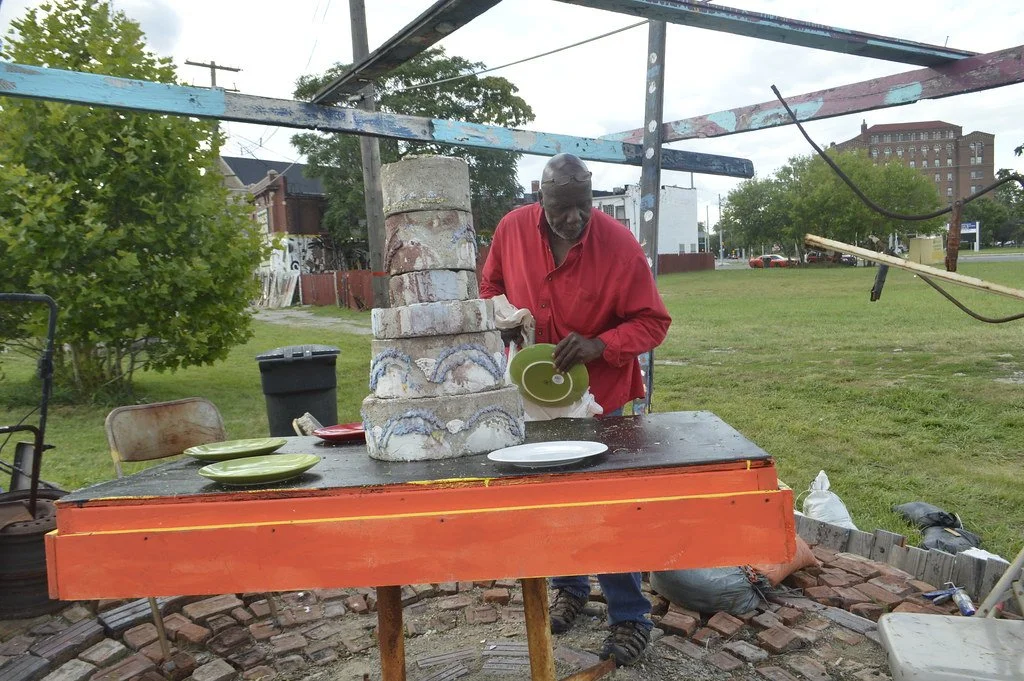
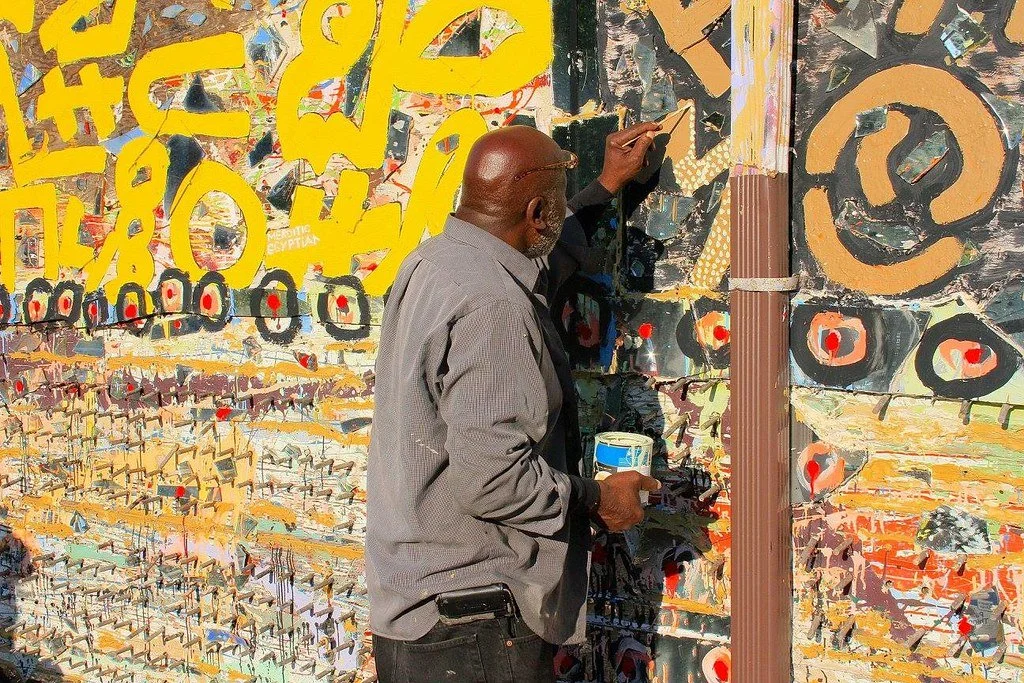
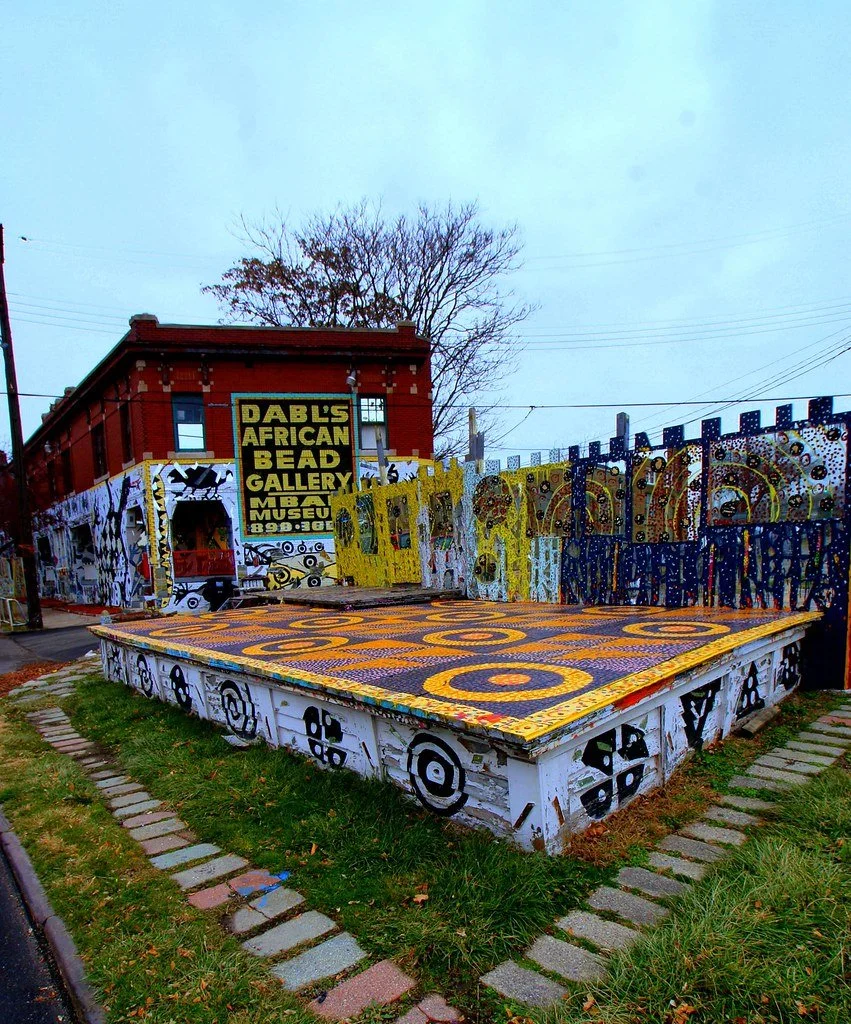
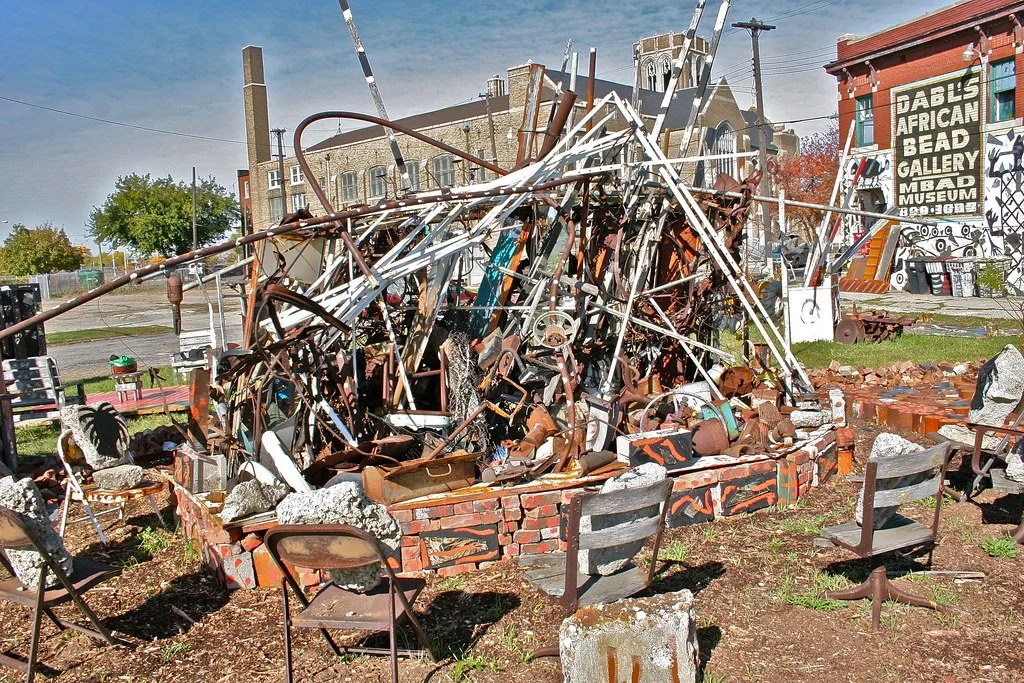
Over the decades, Dabls transformed the museum and its surrounding landscape into an expansive artist-built environment. Through works including Iron Teaching Rocks How to Rust and the African Language Wall, he created a place where art is not separated from history, storytelling, commerce, spirituality, or everyday life.
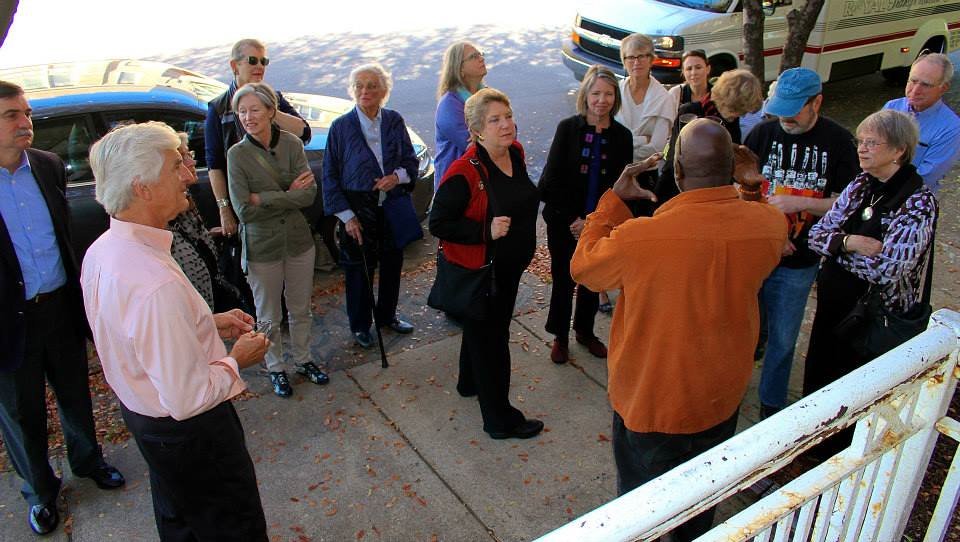
Today, Dabls’ work extends far beyond the museum campus. His paintings, sculptures, installations, exhibitions, public works, lectures, and storytelling continue to introduce audiences to a philosophy developed through decades of collecting, making, observing, and preserving.
A LANGUAGE OF MATERIALS
Iron · Rock · Wood · Mirrors
At the center of Dabls’ artistic philosophy is a language built from four materials: iron, rock, wood, and mirrors.
Each carries its own history and meaning, but their significance emerges through their relationship to one another.
IRON
Iron represents African people — strength, endurance, labor, transformation, and the effects of time and environment.
ROCK
Rock represents the land: ancient, enduring, and witness to generations of human history.
WOOD
Wood represents nature and the living world — growth, change, vulnerability, and the relationship between people and their environment.
MIRRORS
Mirrors return the viewer to the work. They ask us to see ourselves within the histories, relationships, and conditions being examined rather than observing them from a distance.
Together, these materials form a vocabulary through which Dabls explores relationships between people and land, history and memory, Africa and its diaspora, and the individual and the collective.
BEADS, MATERIAL CULTURE & COLLECTING
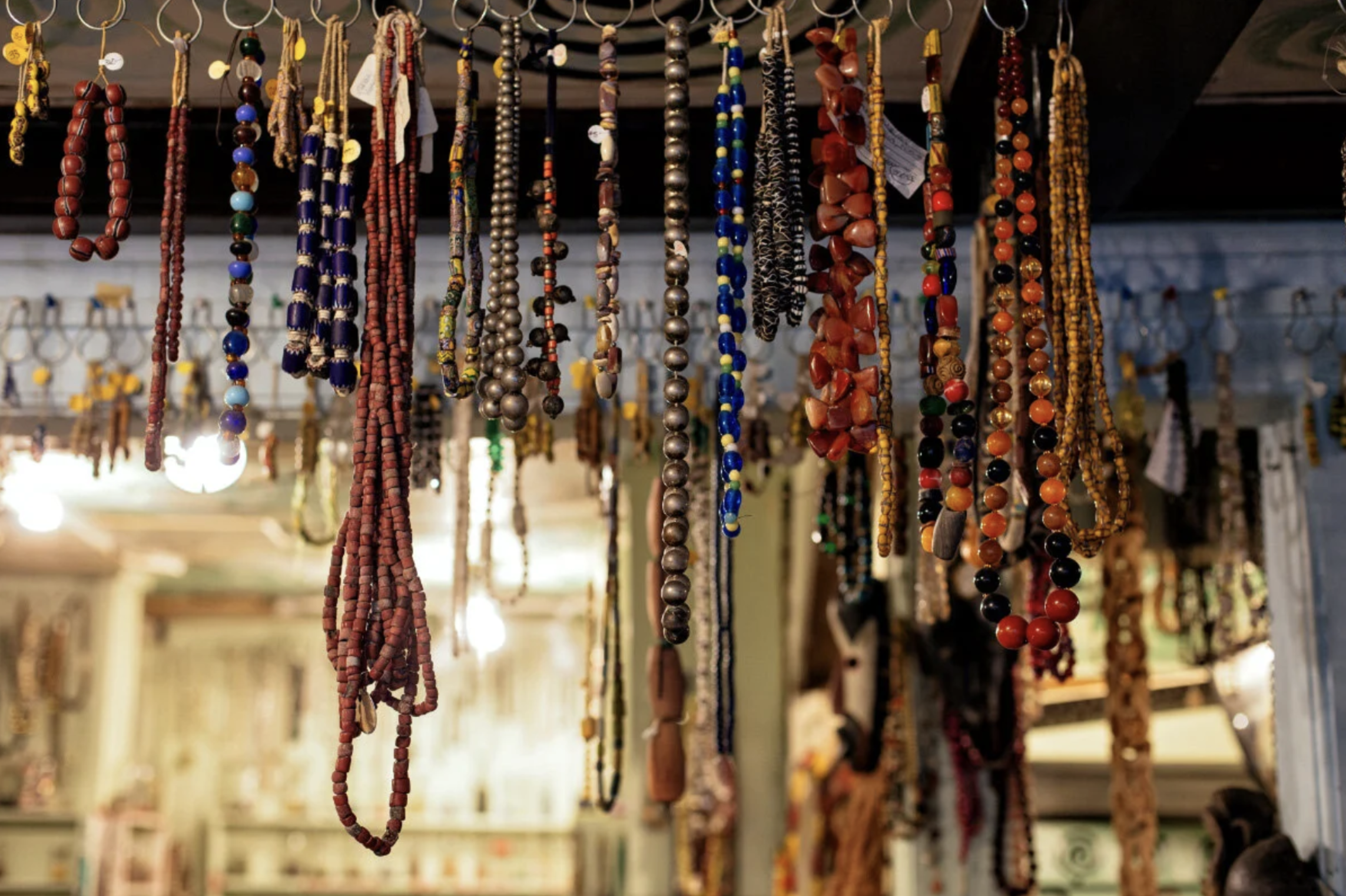
Long before MBAD became the cultural destination visitors experience today, beads were at the center of Dabls’ work.
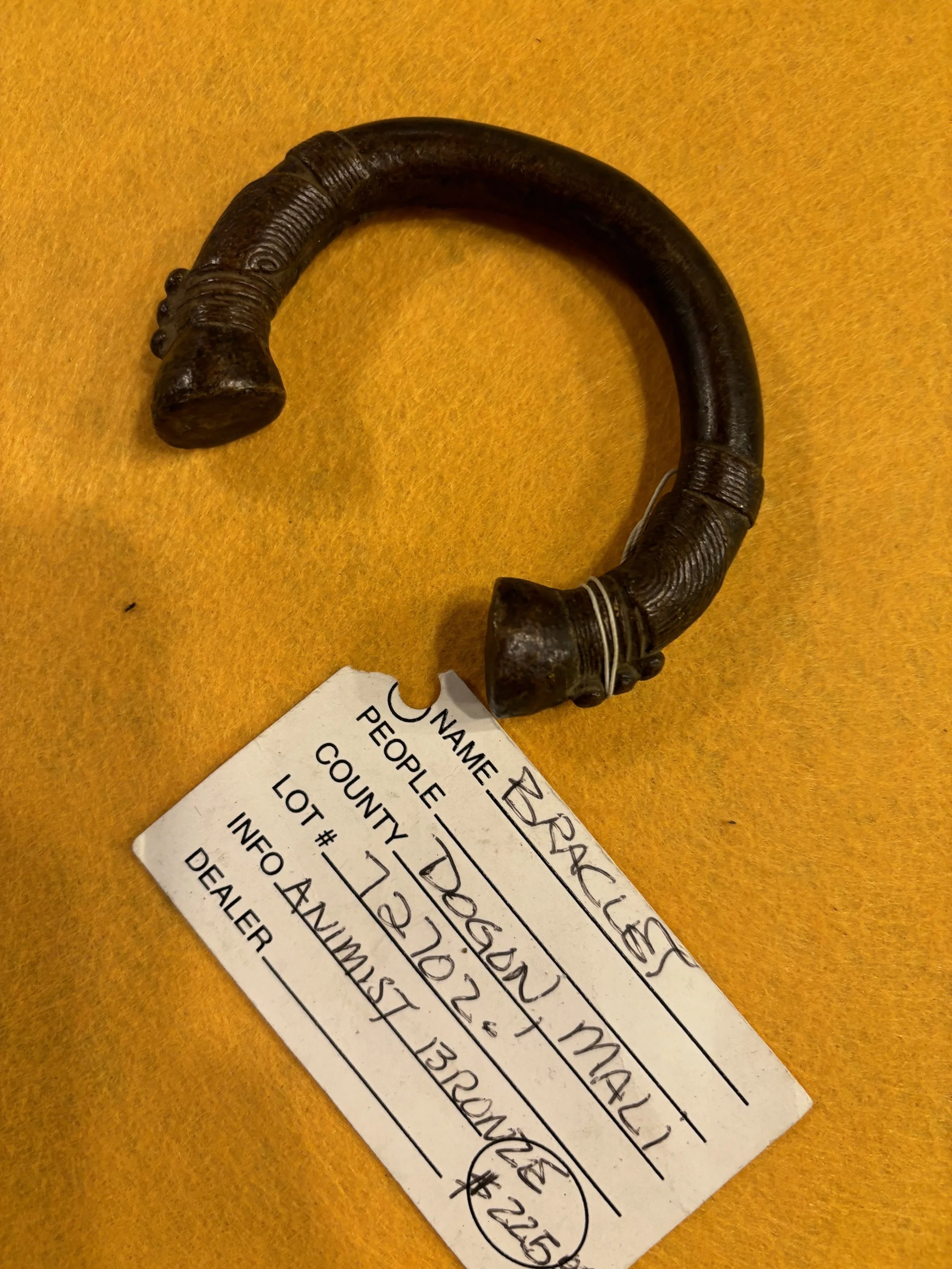
His interest in African beads grew from a larger study of African material culture — the objects people create, carry, exchange, inherit, and use to communicate identity, history, status, spirituality, and belonging.
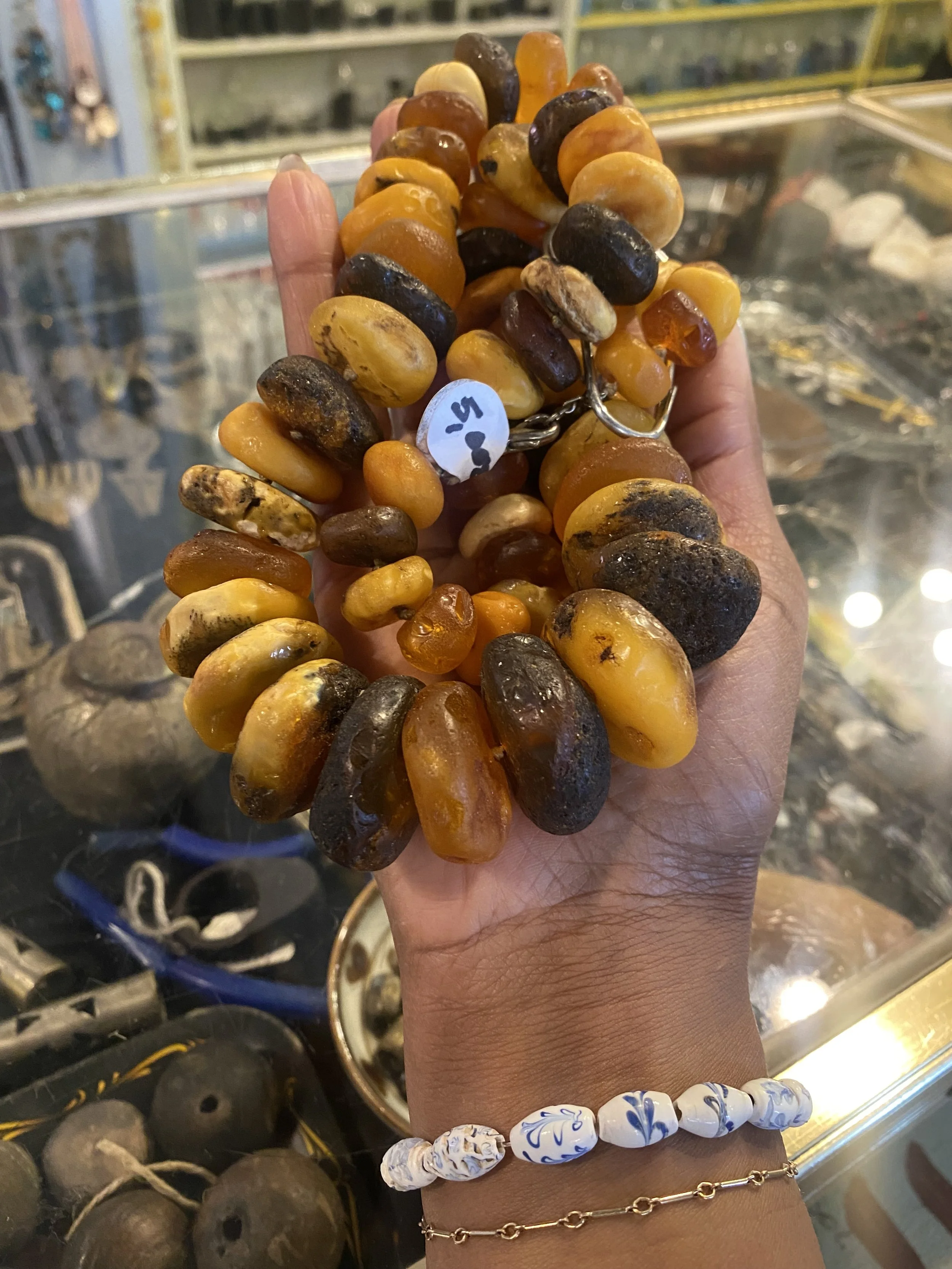
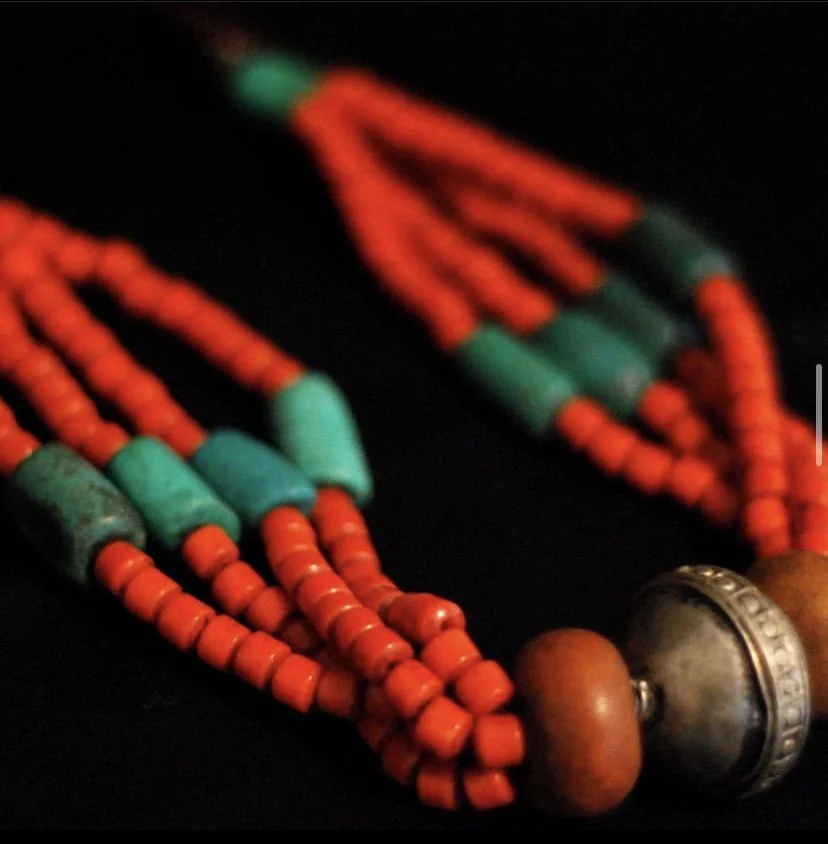
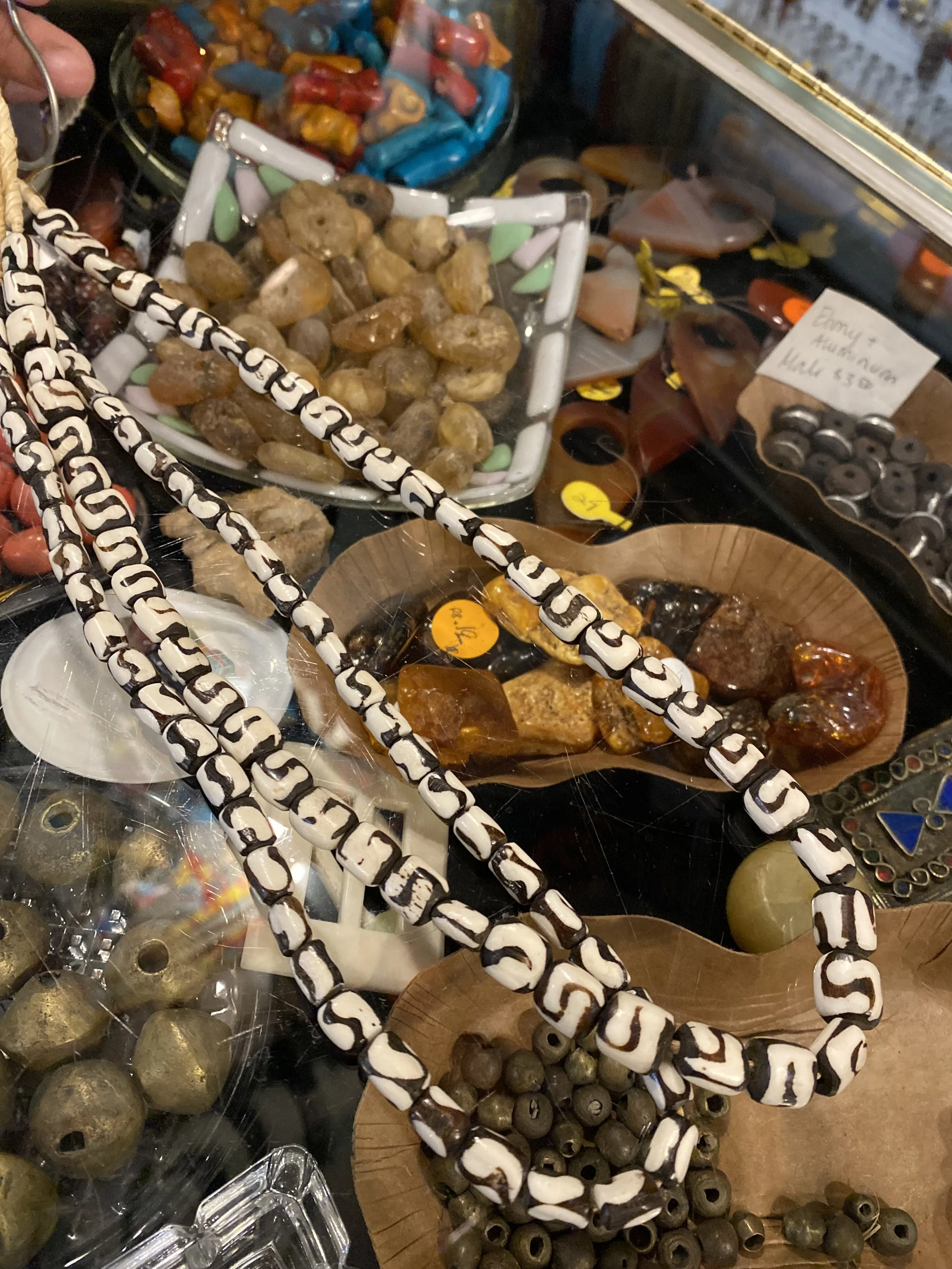
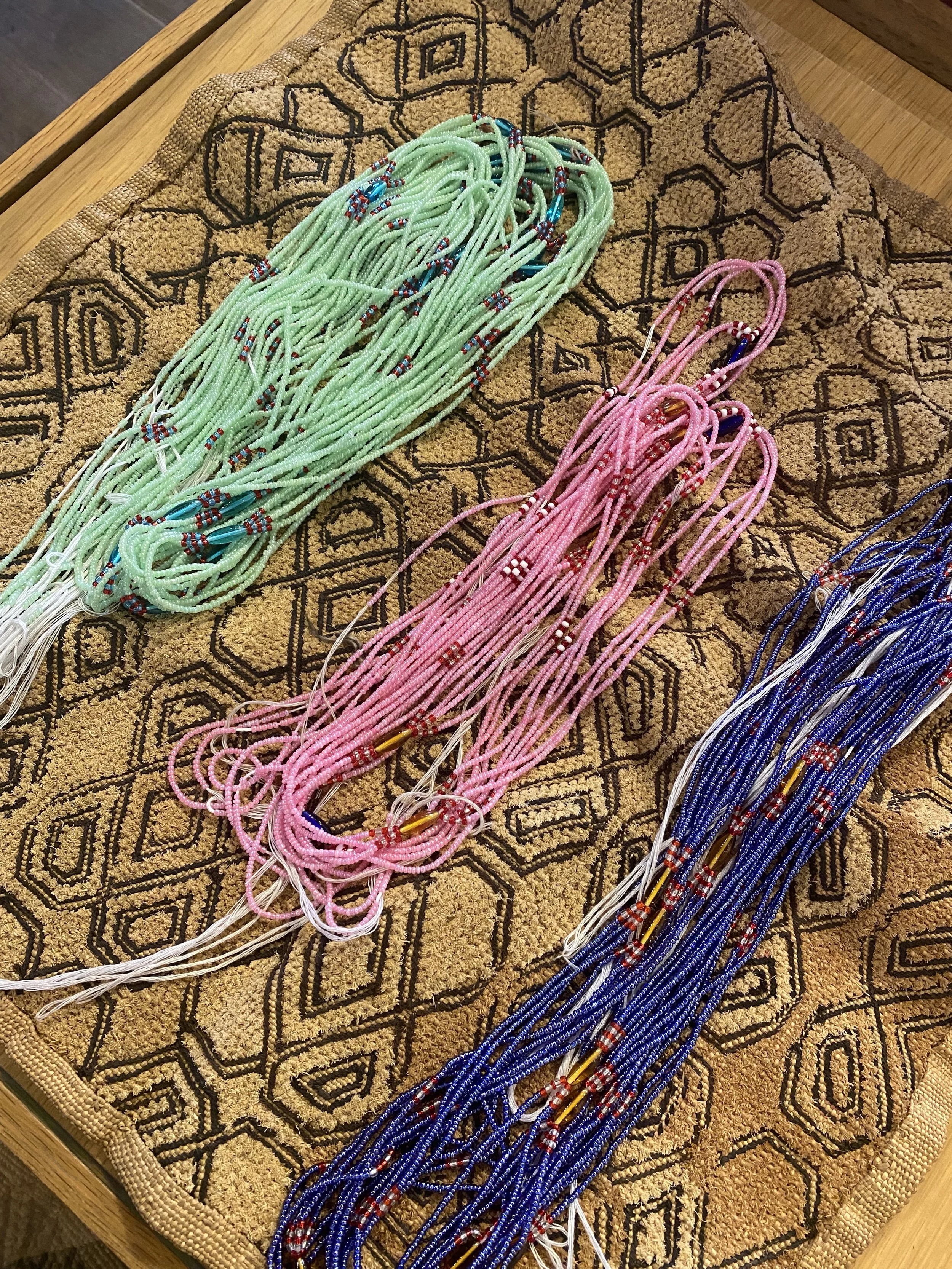
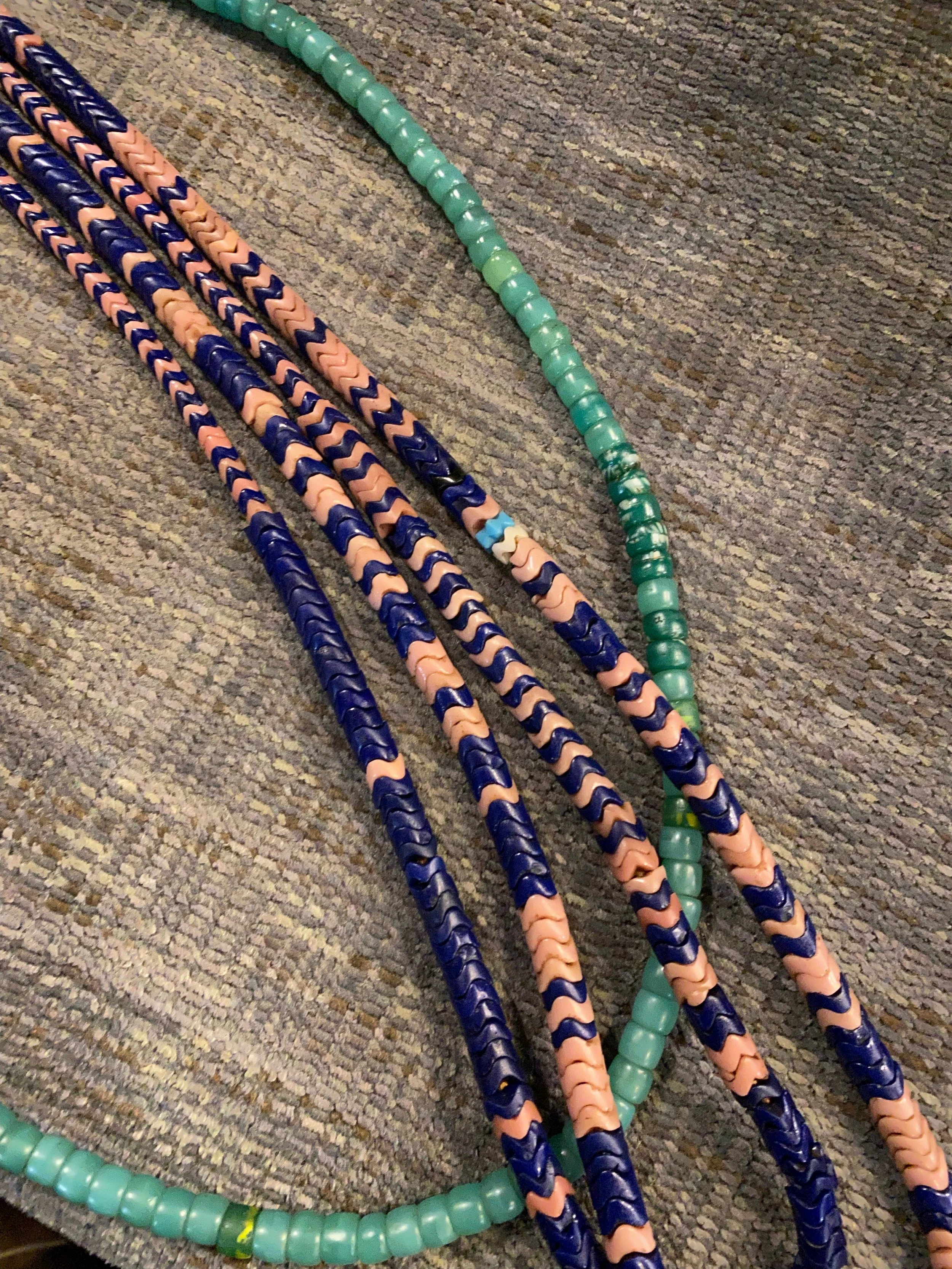
Over decades of collecting and study, Dabls came to understand beads not simply as adornment, but as historical documents. Their materials, colors, origins, patterns, and movement reveal stories of trade, migration, craftsmanship, cultural exchange, and survival.
That understanding became the foundation of the African bead gallery he established in Detroit in 1994 and, ultimately, the MBAD African Bead Museum.
For Dabls, preserving the objects is only part of the work. Preserving the knowledge and stories carried through them is equally important.
FROM ARTIST TO MUSEUM FOUNDER
In 1994, Dabls established an African bead gallery in Detroit as a place to share his growing collection and the cultural knowledge surrounding it.
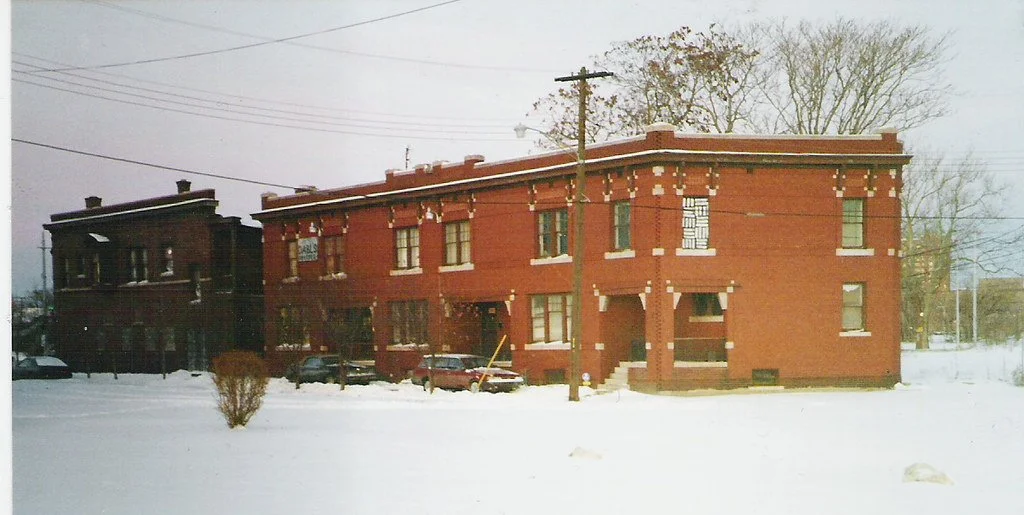
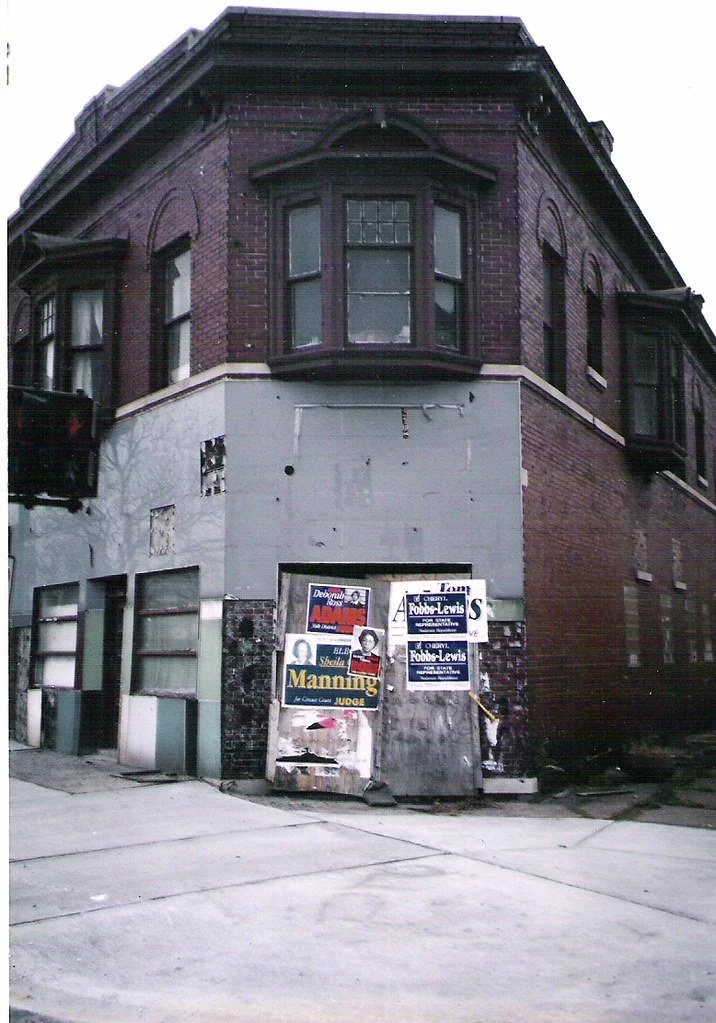
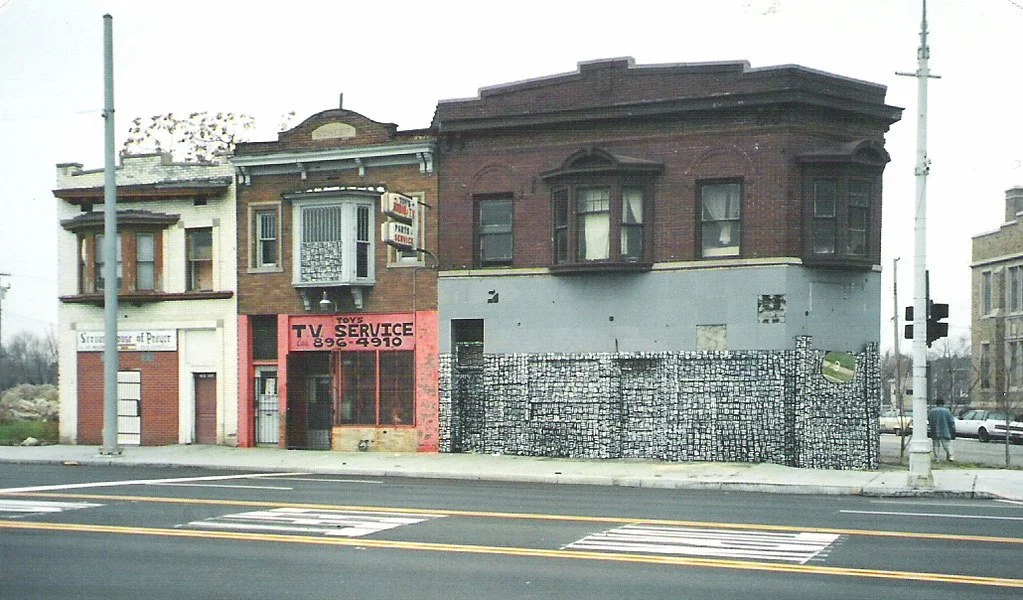
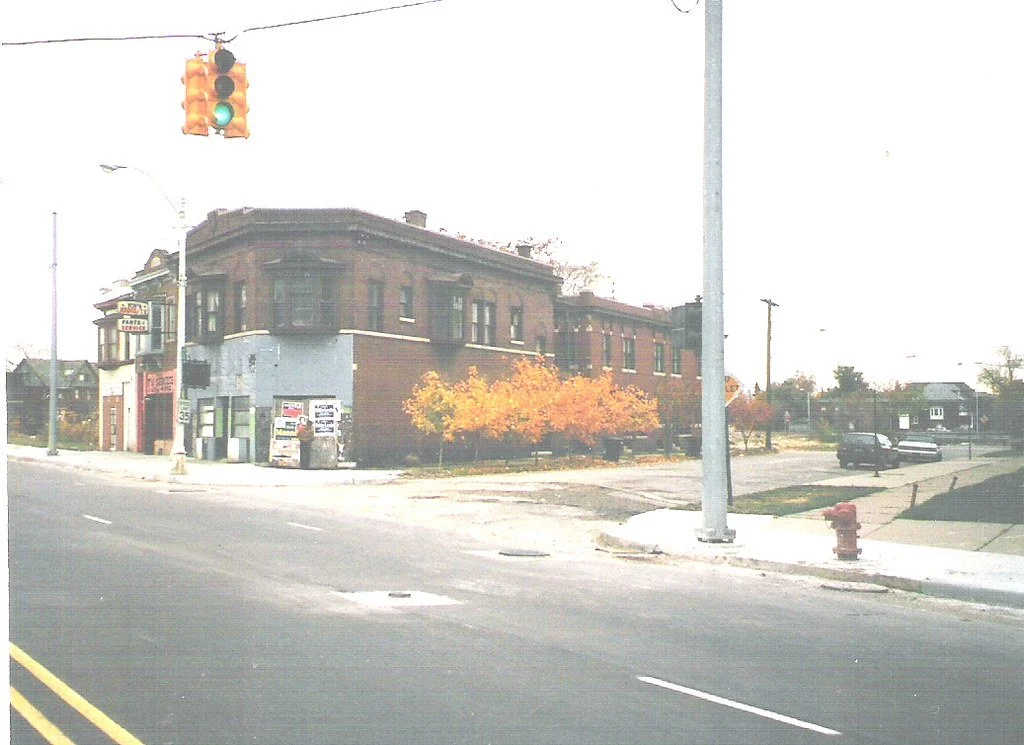
By 1998, that vision had taken root at Grand River Avenue and West Grand Boulevard.
What began with beads continued to expand.
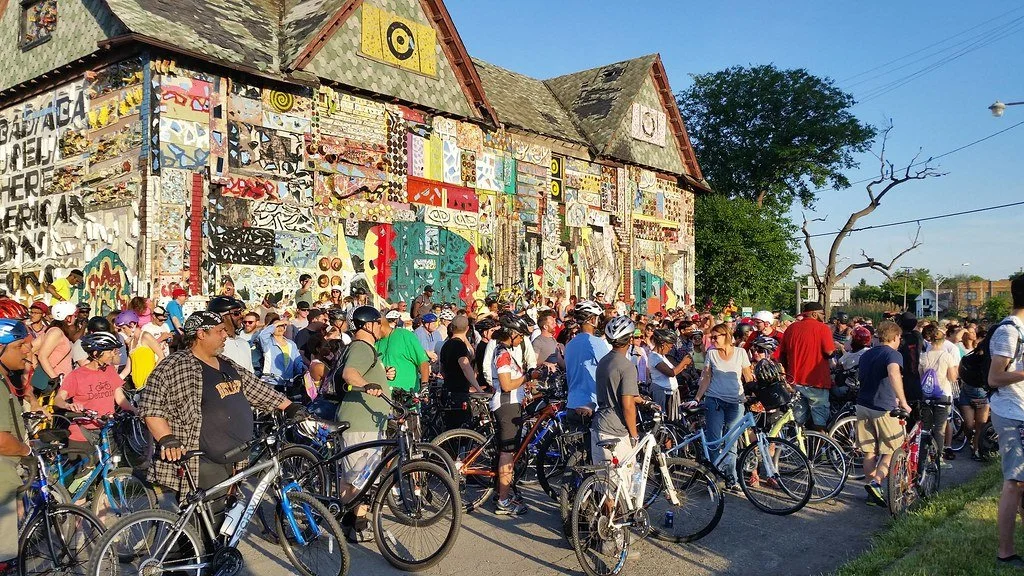
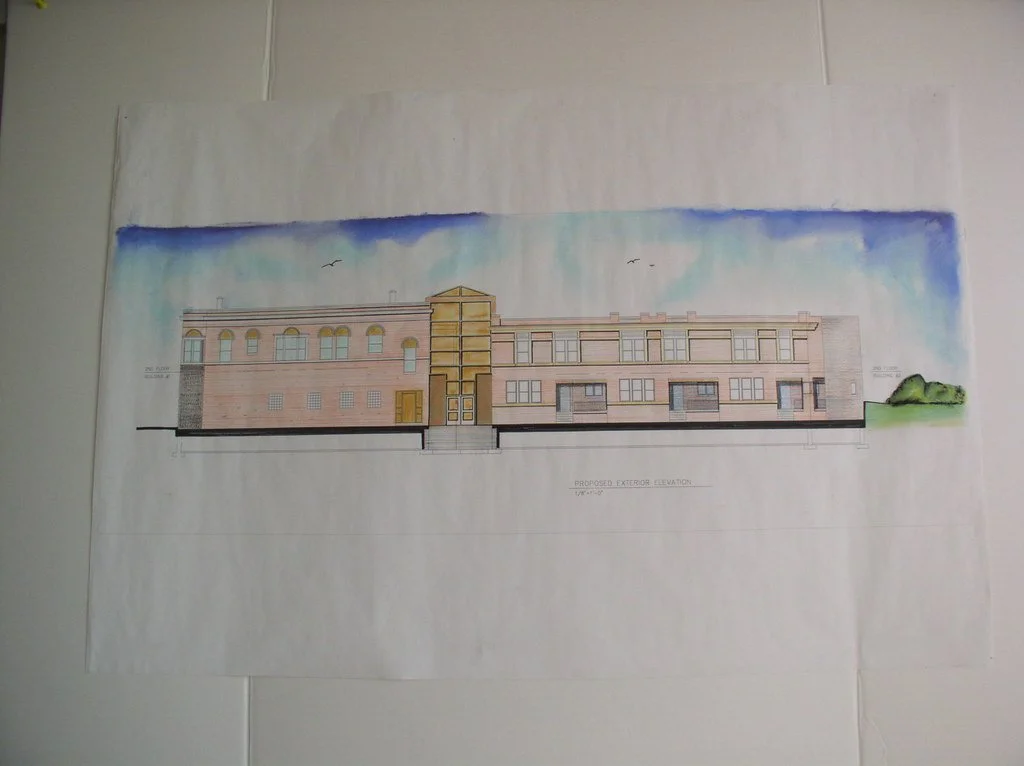
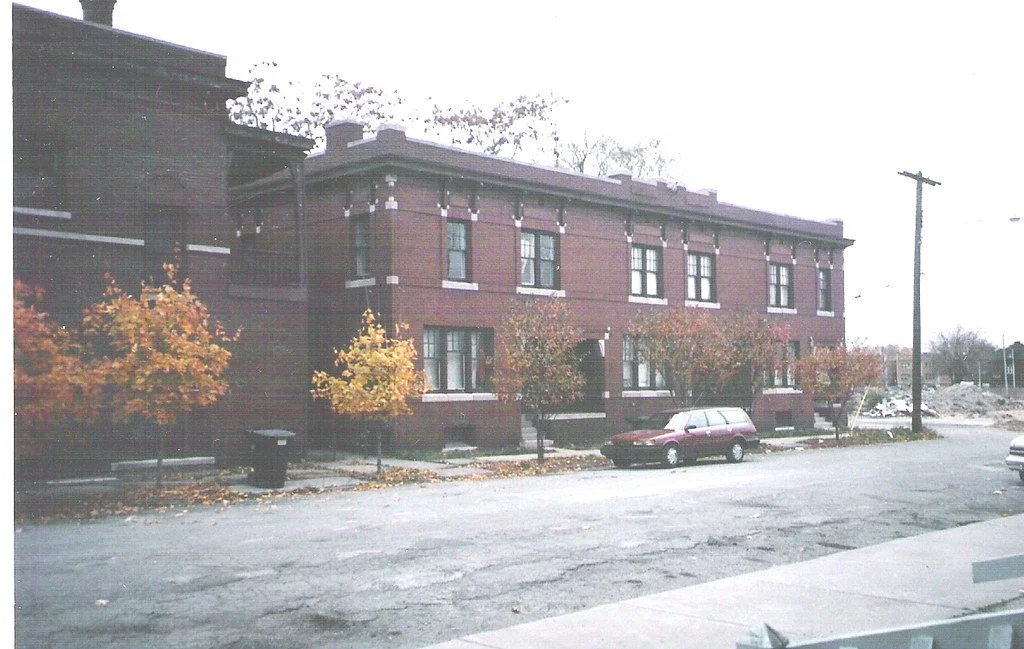
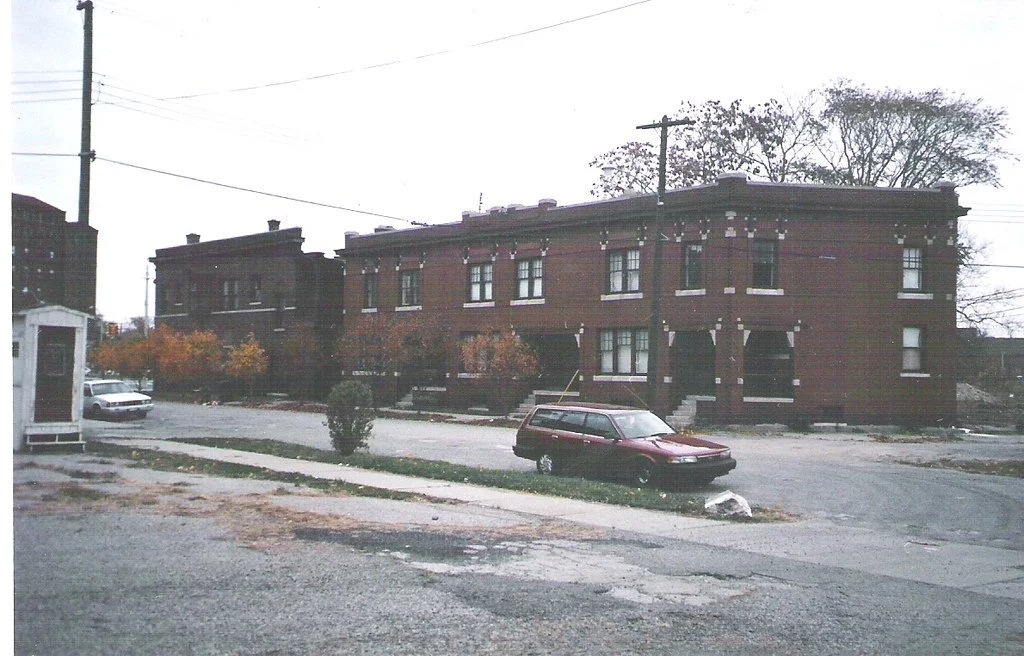
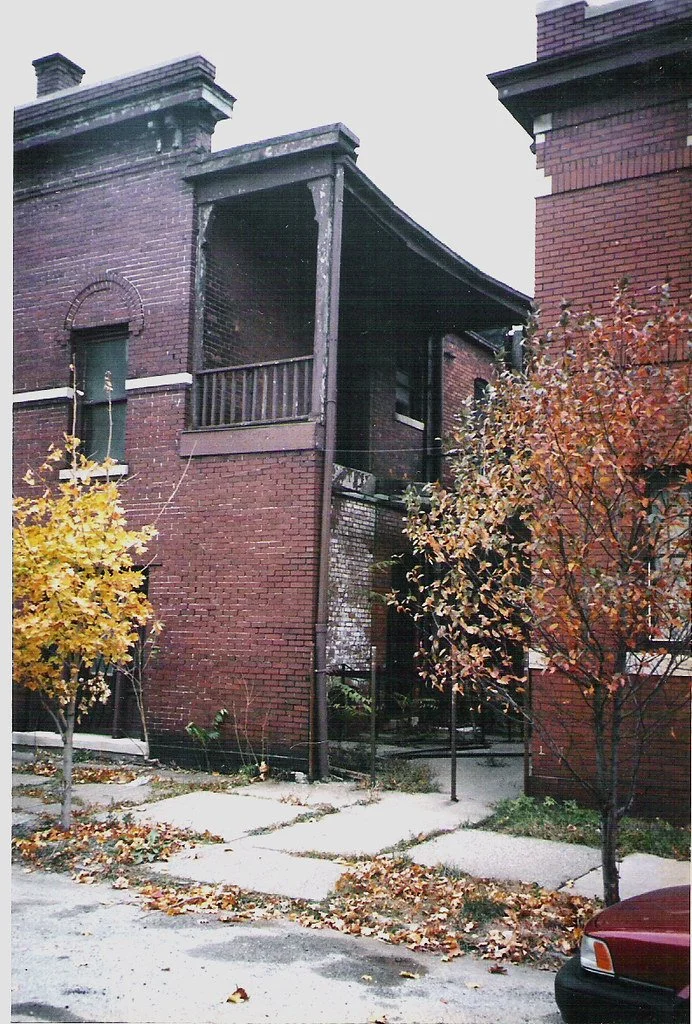
Dabls transformed buildings, vacant land, fences, walls, found materials, and the surrounding landscape into an evolving cultural environment. Indoor galleries extended outdoors. Sculpture became architecture. Buildings became canvases. The museum itself became part of the work.
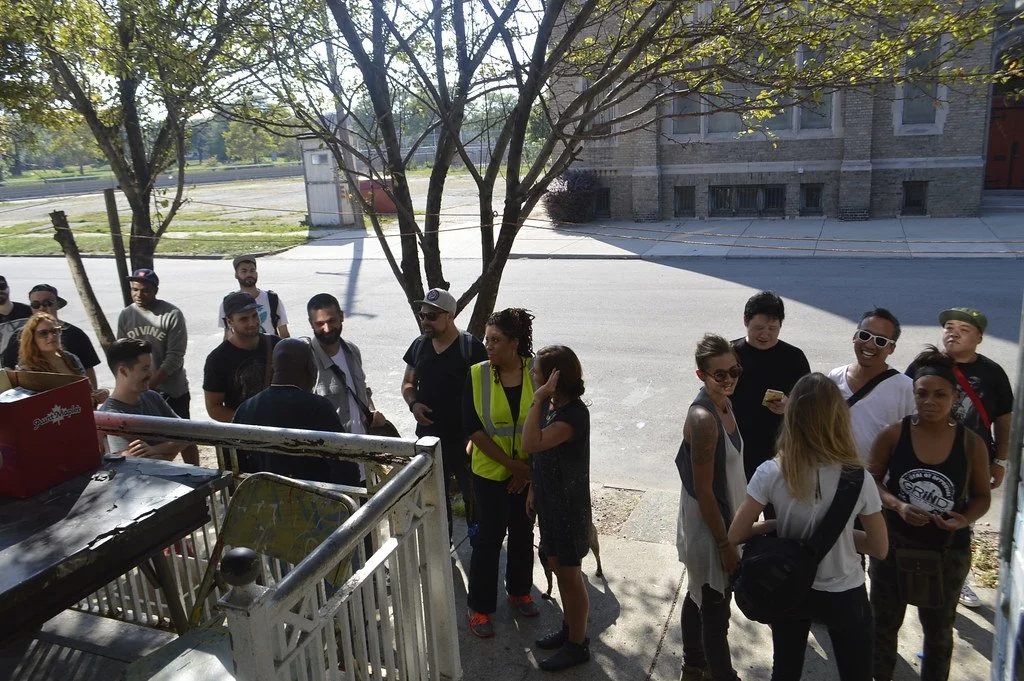
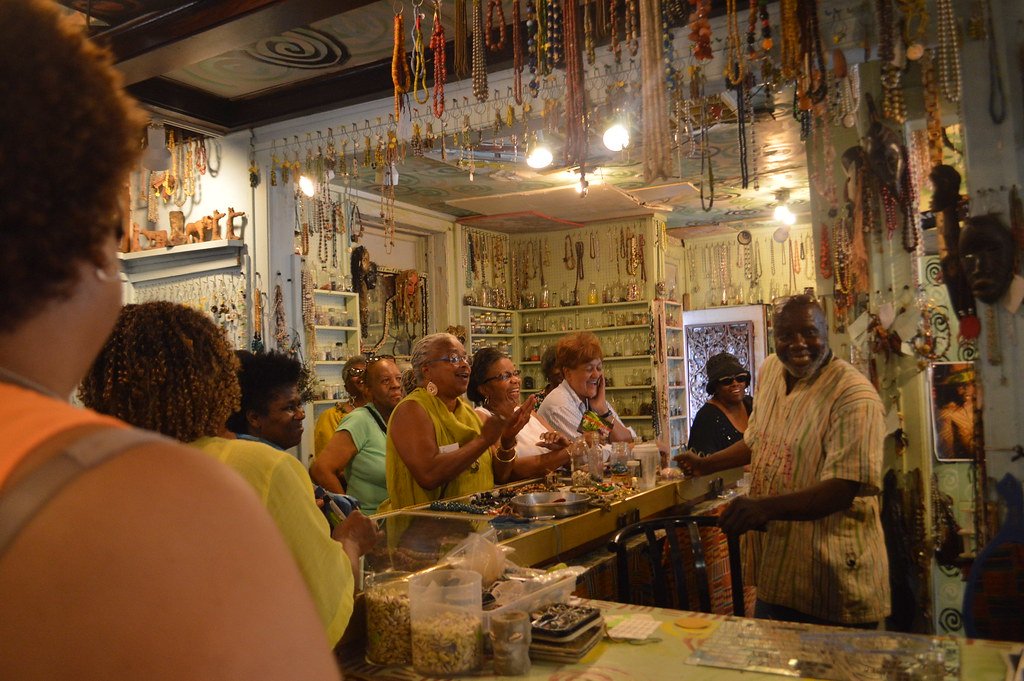
Over time, the site grew into what is now the MBAD African Bead Museum — encompassing the African bead gallery, museum spaces, monumental outdoor installations, the African Language Wall, Arts Alley, educational programming, and gathering spaces.
Rather than creating a museum in which objects are separated from everyday life, Dabls created an environment where art, material culture, storytelling, commerce, history, and community exist together.